


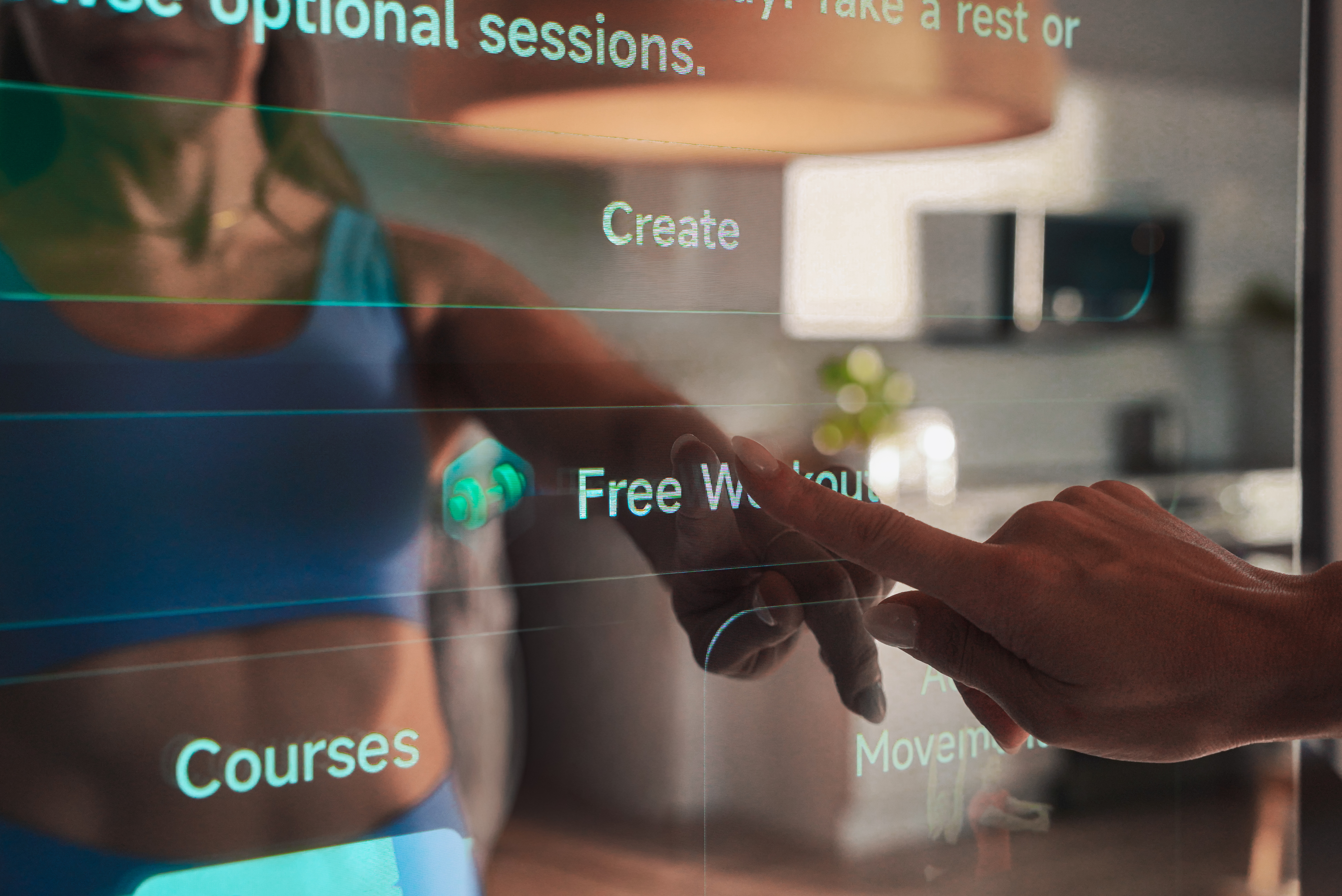
Strength training is often associated with lifting heavier weights or reaching performance goals. But for most people, strength has a much more practical purpose: helping the body move confidently through everyday life.
Carrying groceries. Lifting a suitcase. Getting up from the floor. Moving furniture. Maintaining balance. Keeping up with an active day.
This is where functional strength training becomes relevant. Rather than thinking about strength only in terms of how much weight you can lift, functional training focuses on developing strength that supports the movements you actually use.
At IMBODY, this idea fits naturally into a broader approach to modern fitness: training should support your life, not become disconnected from it.
What Is Functional Strength Training?
Functional strength training uses exercises and movement patterns designed to develop strength that can transfer to everyday activities.

Instead of focusing exclusively on individual muscles, functional training often involves movements that require multiple muscle groups and joints to work together.
Common movement patterns can include:
- Squatting
- Hinging
- Pushing
- Pulling
- Rotating
- Carrying and stabilizing
These patterns appear throughout everyday life, even when we don't think of them as exercise.
The American College of Sports Medicine includes functional fitness training among its fitness trends, reflecting growing interest in exercise that supports balance, coordination, strength, and everyday physical function.
Functional Fitness Is About More Than Performance
You don't need to be an athlete to benefit from functional strength.
For many people, the value is much simpler: feeling capable in daily life.
A stronger lower body can support movements such as standing, climbing stairs, and lifting. Upper-body strength can make pushing, pulling, and carrying easier. Core stability helps connect those movements while supporting control and balance.
That changes the purpose of training.
Instead of exercising only to reach a number or appearance-based goal, strength becomes something that supports how you want to live.
Why Variety of Movement Matters
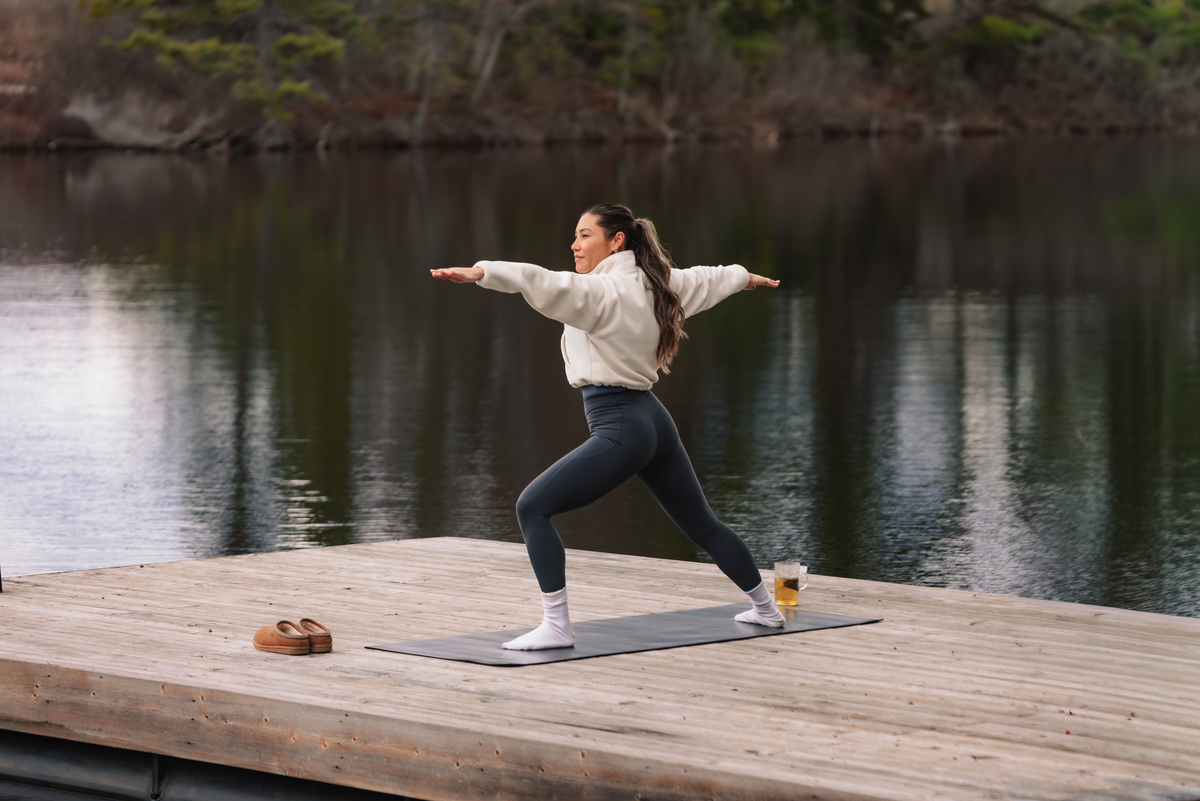
Everyday movement rarely happens in only one fixed direction.
We reach, turn, bend, pull, push, stabilize, and change positions constantly. A well-rounded home strength training routine should therefore provide enough flexibility to explore different movement patterns.
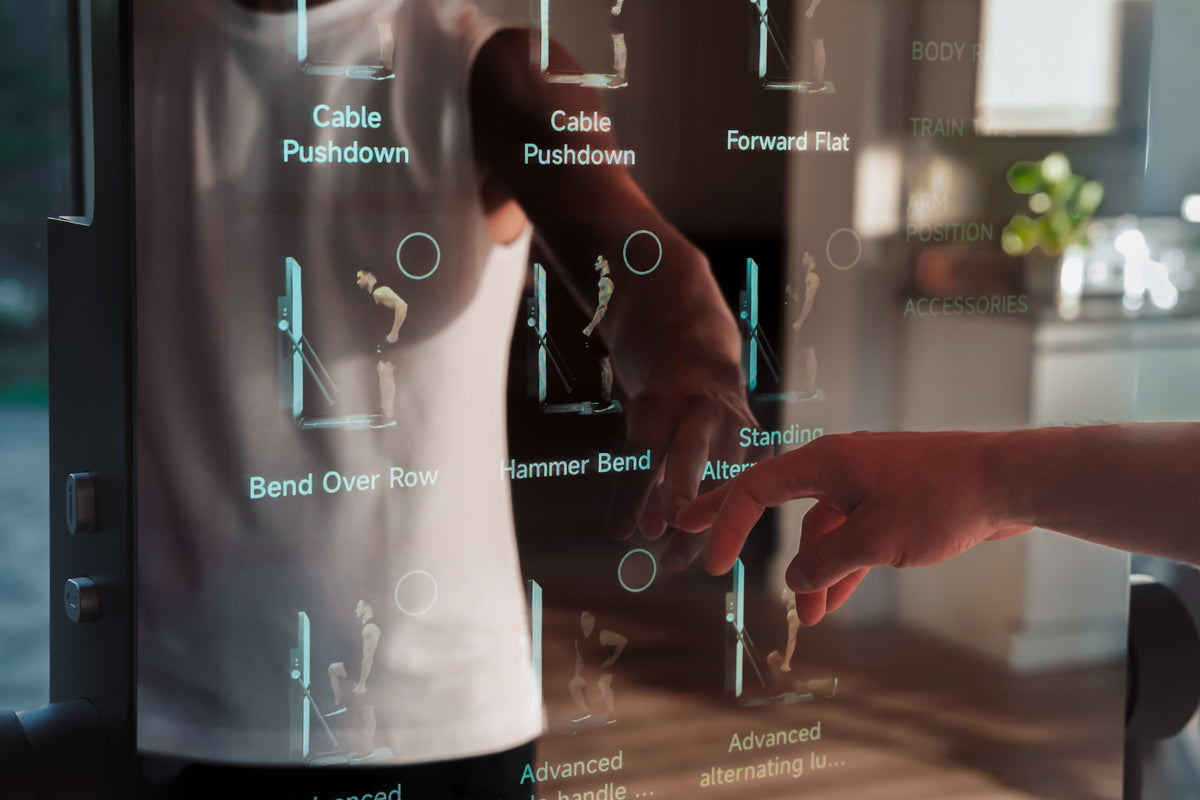
IMBODY Power S uses adjustable smart arms and digital resistance to support a wide range of exercises from one connected training system.
Users can change their position, resistance level, and movement setup depending on the exercise rather than relying on multiple single-purpose machines.
For IMBODY, versatility isn't about adding complexity. It's about giving users more ways to move within a simpler home fitness environment.
Precision Can Make Strength More Approachable
Functional strength training isn't about choosing the heaviest resistance possible.
The appropriate resistance depends on the movement, the individual, and the goal of the session.
A lower-body exercise may comfortably use more resistance than a smaller upper-body movement. Someone beginning a new movement may also benefit from starting lighter and progressing gradually.
IMBODY Power S provides resistance adjustments in precise 0.5 kg increments, allowing users to make smaller changes instead of relying on large jumps between resistance levels.
This makes it easier to find a level that feels appropriate for different exercises and gradually adjust as strength develops.
Guidance Helps Turn Equipment Into a Routine
Versatile equipment can provide many exercise options—but more options can also create another problem:

What should I actually do today?
This is where intelligent guidance becomes useful.
The IAC® intelligent training system within IMBODY can recommend training based on the user's assessment, goals, and training information, helping reduce the planning required before each workout.
Rather than spending time building a program from scratch, users can follow structured guidance and focus on the movement itself.
The technology handles more of the thinking so the user can focus on getting started.
Functional Training Fits Naturally Into Home Fitness
Functional strength training can be particularly well suited to the home because it doesn't necessarily require a room filled with specialized machines.
A thoughtful training environment can support multiple movement patterns within the same space.
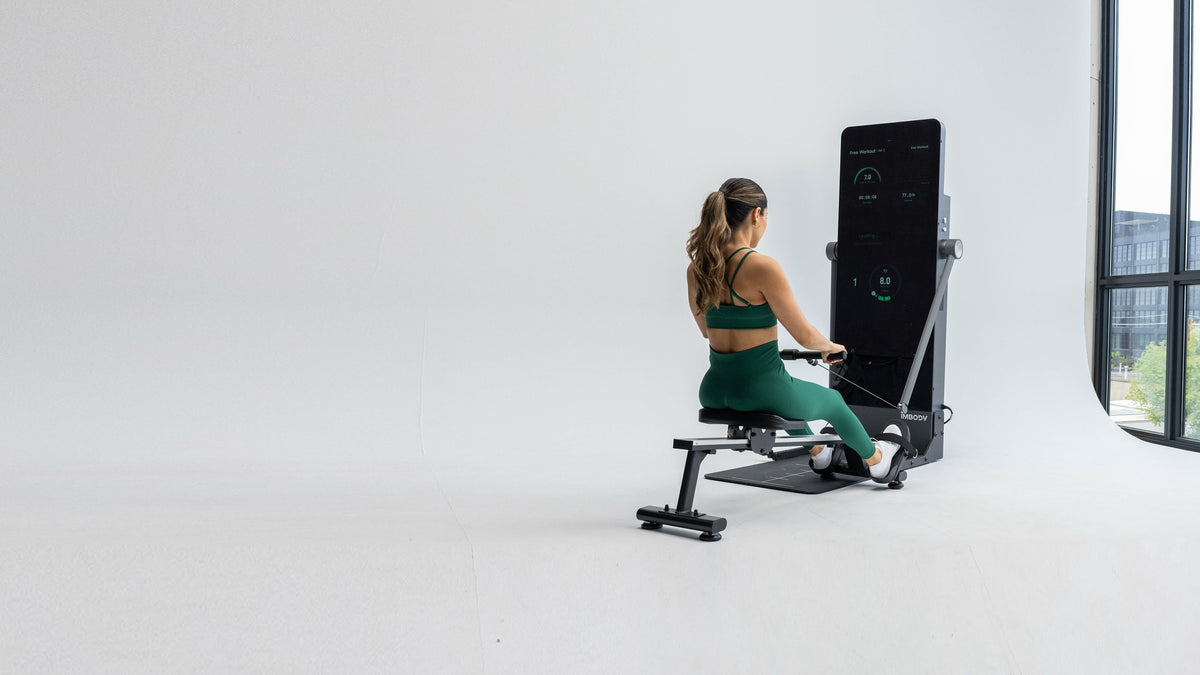
With IMBODY Power S, digital resistance, adjustable smart arms, guided workouts, and connected training are brought together within one system.
That helps create a more flexible approach to home strength training without asking the home to become a commercial gym.
Strength That Supports the Way You Live
The most meaningful measure of strength isn't always found on a workout screen.

Sometimes it's noticing that everyday movement feels easier.
It's carrying something without hesitation. Feeling more stable during movement. Staying active through a busy week. Or simply feeling more confident in what your body can do.
This is why functional strength fits the IMBODY philosophy so naturally.
Fitness doesn't have to exist separately from everyday life. It can support it.
Final Thoughts
Functional strength training shifts the focus from simply lifting more to moving better through everyday life.
By training fundamental movement patterns, progressing resistance thoughtfully, and building a routine that is realistic enough to maintain, strength becomes more than a workout goal—it becomes part of long-term wellbeing.
IMBODY Power S supports this approach through precise digital resistance, flexible movement possibilities, and intelligent workout guidance designed to make home training easier to understand and easier to return to.
Because ultimately, useful strength isn't just about what you can do during a workout.
It's about what that strength allows you to do beyond it.
Explore IMBODY Power S
Discover how IMBODY Power S combines digital resistance, adjustable smart arms, personalized training guidance, and connected fitness in one smart home training system.
Reference
American College of Sports Medicine — Worldwide Fitness Trends
Share:
How Smart Home Fitness Supports Long-Term Wellbeing Beyond the Workout
Personalized Workout Plans: Why One Routine Doesn’t Fit Everyone