


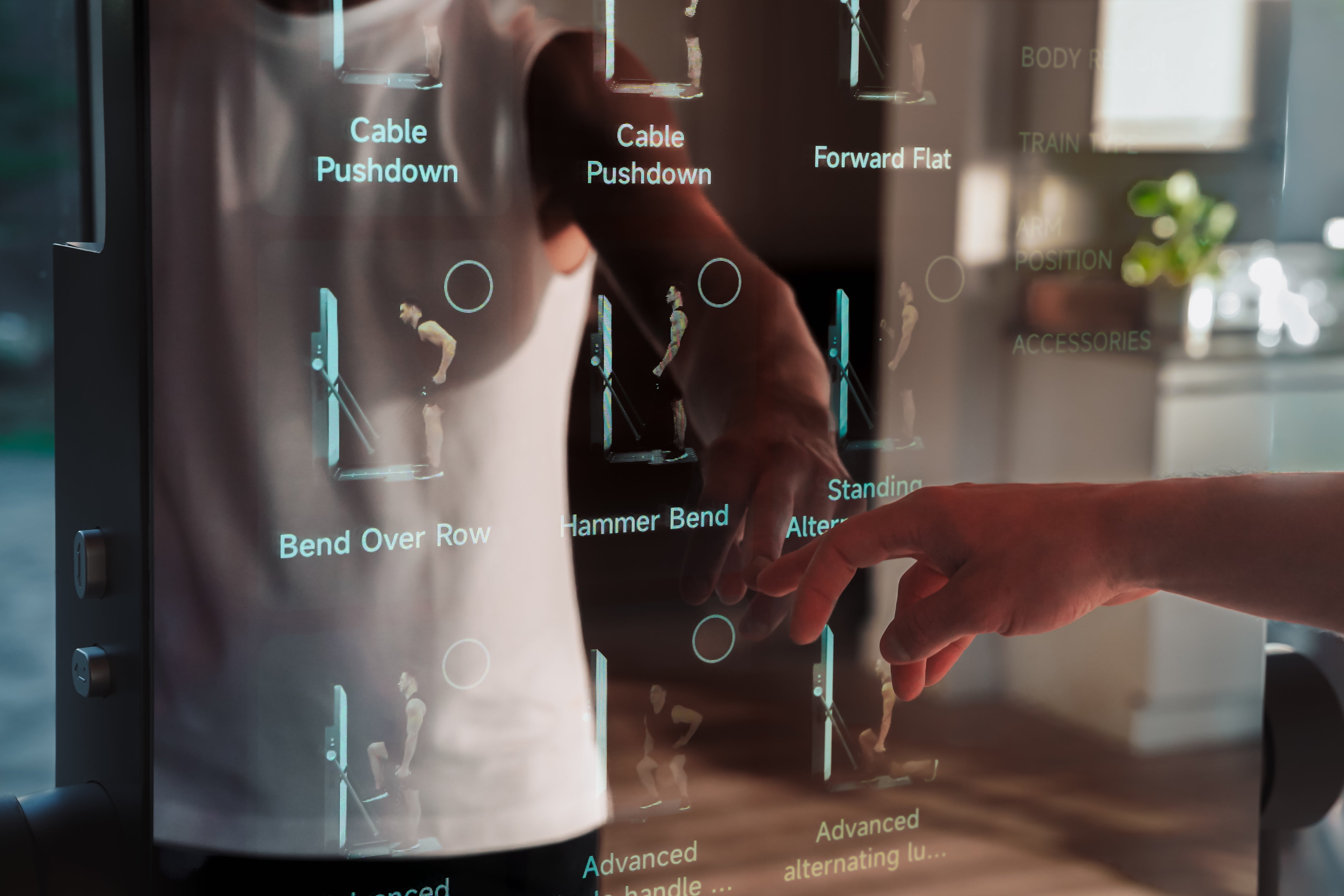
Fitness data can be helpful, but it can also become overwhelming.
Steps, calories, workout streaks, performance scores, heart rate zones, body measurements, training summaries — modern fitness tools can track more than ever before.
But more data does not always mean better support.
For many users, fitness tracking becomes stressful when numbers start to feel like judgment. A missed workout becomes a broken streak. A lighter session feels like a failure. A data point becomes more important than how the body actually feels.
At IMBODY, fitness data should work differently.
It should guide users with clarity, not pressure them with constant evaluation.
Blog Topic: Educational SEO
This article focuses on fitness tracking, body data, progress tracking, and how smart fitness systems can support healthier long-term consistency.
The Problem With Pressure-Based Fitness Tracking
Many fitness tracking tools are designed around output.
They measure what happened in a single session: how long you trained, how much you did, how intense it was, or whether you met a target.
These numbers can be useful, but they can also create a narrow view of progress.
When fitness data focuses only on evaluation, users may start to feel like every workout is being judged. That can make movement feel less personal and more performative.
For people trying to build a sustainable fitness routine, this can create the opposite of what tracking should do. Instead of helping users continue, it can make them feel behind.
Why Fitness Data Needs Context
A single workout never tells the whole story.
Maybe the user slept poorly. Maybe they were returning after a busy week. Maybe they chose a lighter session because their body needed recovery. Maybe the goal was simply to keep the habit alive.
Fitness data becomes more useful when it understands that context matters.
A short workout is not automatically a weak workout. A lighter session is not automatically a bad session. A missed day does not erase progress.
Healthy fitness tracking should help users understand patterns over time, not judge isolated moments too harshly.
What Supportive Fitness Tracking Looks Like
Supportive fitness tracking does not only ask, “Did you do enough?”

It asks better questions:
- Are you building a routine you can sustain?
- How is your training changing over time?
- What kind of movement fits your current energy and goals?
- Where are you making progress beyond one single metric?
- How can the next workout feel more approachable?
This kind of tracking helps users stay connected to movement without turning fitness into a constant test.
For IMBODY, data should support the user’s relationship with fitness, not take control of it.
The IMBODY Assessment → Training → Tracking Loop
IMBODY uses fitness data as part of a connected training loop.
That loop can be understood as:
- Assess — understand body data, goals, fitness level, and starting point
- Train — follow guided workouts and intelligent training recommendations
- Track — review progress, training history, and body-data changes over time
- Adjust — refine future training based on real progress and user needs
This creates a more complete experience than tracking alone.
The goal is not to collect data for the sake of data. The goal is to help users move through a smarter cycle: understand where they are, train with guidance, review progress, and continue with more clarity.
Why Body Data Should Feel Useful, Not Judgmental
Body data can be meaningful when it helps users understand themselves better.
But it should not become a source of constant self-criticism.
A healthy fitness system should help users see progress across a broader picture. That might include strength improvements, training consistency, body-data changes, movement confidence, workout frequency, or the ability to return after a break.
Not every form of progress is visible immediately.
That is why supportive tracking should focus on long-term patterns rather than single-day perfection.
How IMBODY Power S Uses Data to Support Training
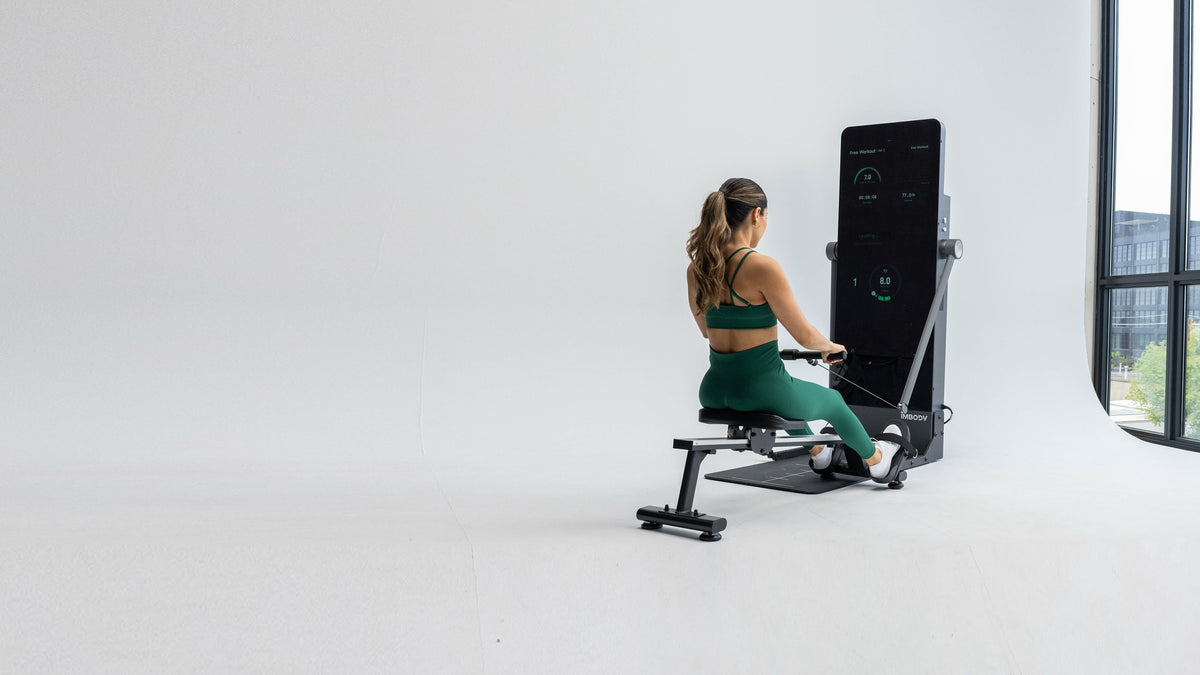
IMBODY Power S is designed to connect training, data, and guidance in one smart home fitness system.
With AI-powered personalized training, digital resistance, guided workouts, body-data insights, and connected progress tracking, Power S helps users train with more clarity at home.
Instead of leaving users to interpret every number on their own, IMBODY helps turn fitness data into more practical training support.
This matters because most users do not need more metrics to manage. They need guidance that helps them understand what to do next.
Data Should Preserve User Agency
One of the most important ideas in AI-supported fitness is user agency.
AI can help interpret data, but it should not take away the user’s own understanding of their body, effort, and life context.
A user knows when they are tired. They know when a workout felt meaningful even if it was short. They know when life made consistency harder for a few days.
Smart fitness systems should respect that.
At IMBODY, intelligent training is designed as support, not control. It helps guide the process while still leaving room for the user’s lived experience.
Why Tone Matters in Fitness Feedback
Fitness feedback is not only about what the data says.
It is also about how the system communicates.
A harsh or overly performance-driven tone can make users feel judged. A generic tone can feel disconnected from the user’s real situation. A supportive tone can help users interpret progress with more balance.
This is especially important for beginners, busy professionals, and wellness-focused users who want fitness to become part of life without feeling pressured by constant optimization.
IMBODY’s approach is calm, guided, and consistency-first.
From Isolated Workouts to Long-Term Progress
A single workout summary can be useful, but long-term fitness depends on the bigger pattern.
Did the user return this week?
Are they building strength gradually?
Are they choosing sessions that match their current goals and energy?
Are they creating a routine that feels sustainable?
These questions matter more than one isolated number.
Connected progress tracking helps users see fitness as an ongoing journey rather than a series of disconnected evaluations.
Why Supportive Data Helps Consistency
Consistency grows when users feel capable of continuing.

If data only tells users what they failed to do, it may reduce motivation. But if data helps users understand what is working, where they are improving, and how to take the next step, it can support long-term habits.
Supportive data helps users return.
It turns progress tracking into a source of clarity rather than pressure.
Final Thoughts
Fitness data should guide you, not pressure you.
The most helpful tracking systems do not simply collect numbers. They help users understand their progress, protect their sense of agency, and build a routine that feels sustainable.
IMBODY Power S brings this philosophy into the home through guided workouts, body-data insights, AI-powered personalized training, and connected progress tracking.
For IMBODY, data is not the destination.
It is a quiet layer of support that helps users move with more clarity, confidence, and consistency.
Explore IMBODY Power S
Discover a smart home fitness system designed to support guided training, body-data insights, progress tracking, and consistent movement at home.
Reference
arXiv: Who Gets to Interpret the Workout? User Tensions with AI-Generated Fitness Feedback

Share:
Why Short Workouts Can Still Build Long-Term Fitness
Smart Home Fitness for Long-Term Wellbeing: Beyond the Workout