


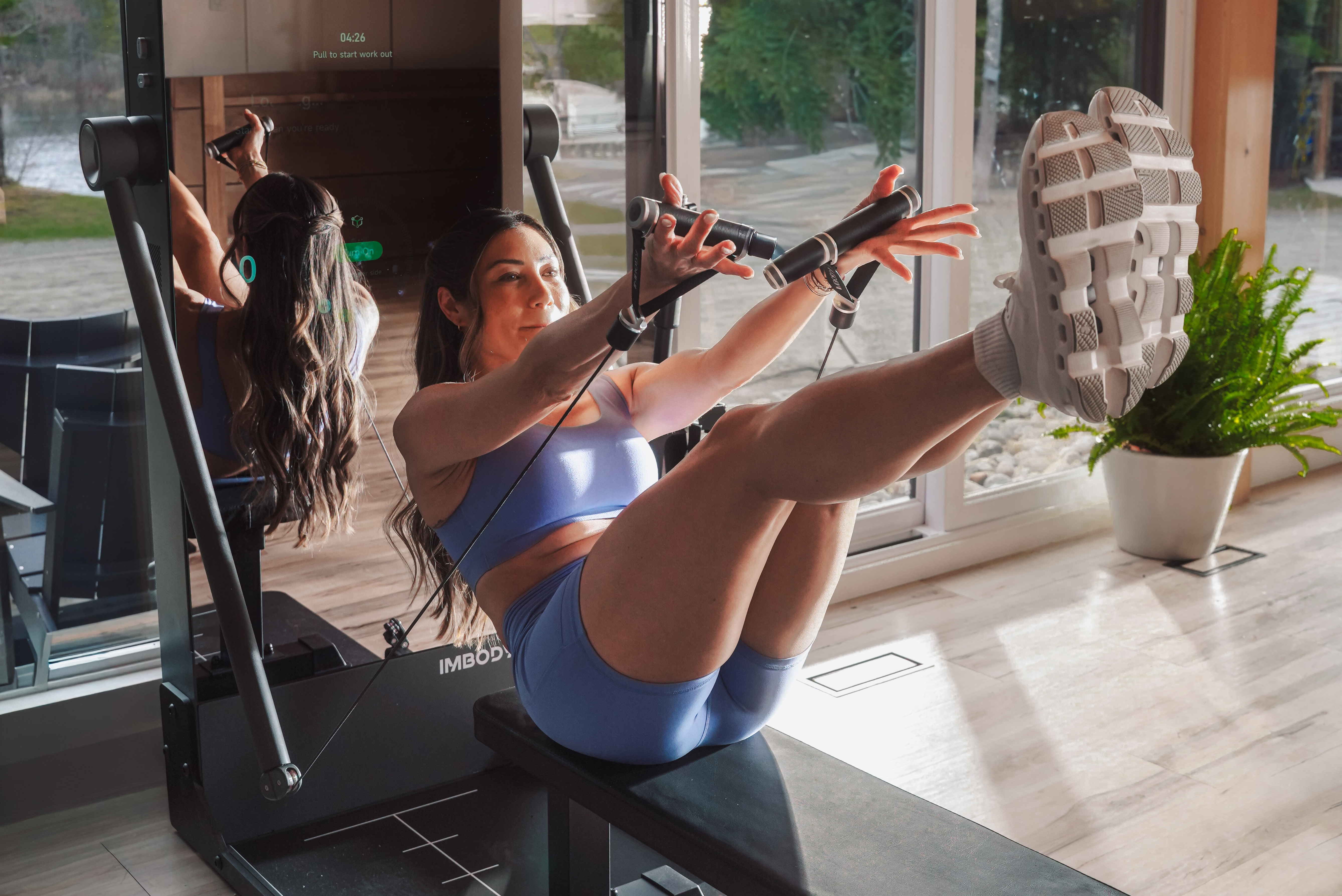
Strength training is evolving. While traditional weights remain familiar, new intelligent fitness systems are introducing a different approach: digital resistance training.
Instead of relying only on physical weight plates, digital resistance systems use motor-driven technology, software, and intelligent controls to create adjustable resistance that can adapt more precisely to the user and the movement itself.
For many modern users, this creates a training experience that feels smoother, more flexible, and easier to integrate into daily life.
What Is Digital Resistance Training?
Digital resistance training uses electronically controlled resistance instead of traditional free weights or mechanical weight stacks.

Rather than adding or removing physical plates, resistance is generated and adjusted through a motorized system. This allows users to change weight quickly, train with more precision, and access different resistance modes through software-based control.
Digital resistance systems are commonly found in smart home fitness equipment and intelligent strength-training platforms.
Depending on the system, digital resistance training can offer:
- More precise resistance adjustments, with increments as small as 0.5 kg
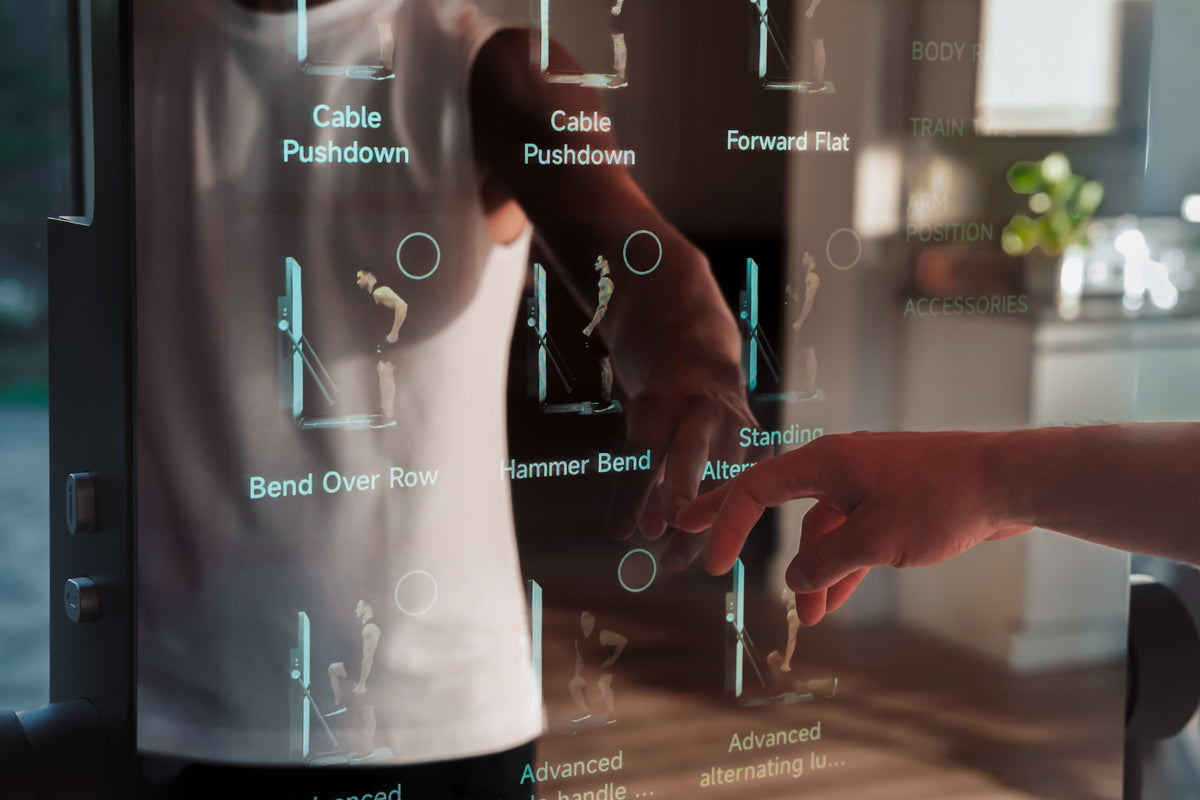
- Multiple intelligent training modes designed for different training goals
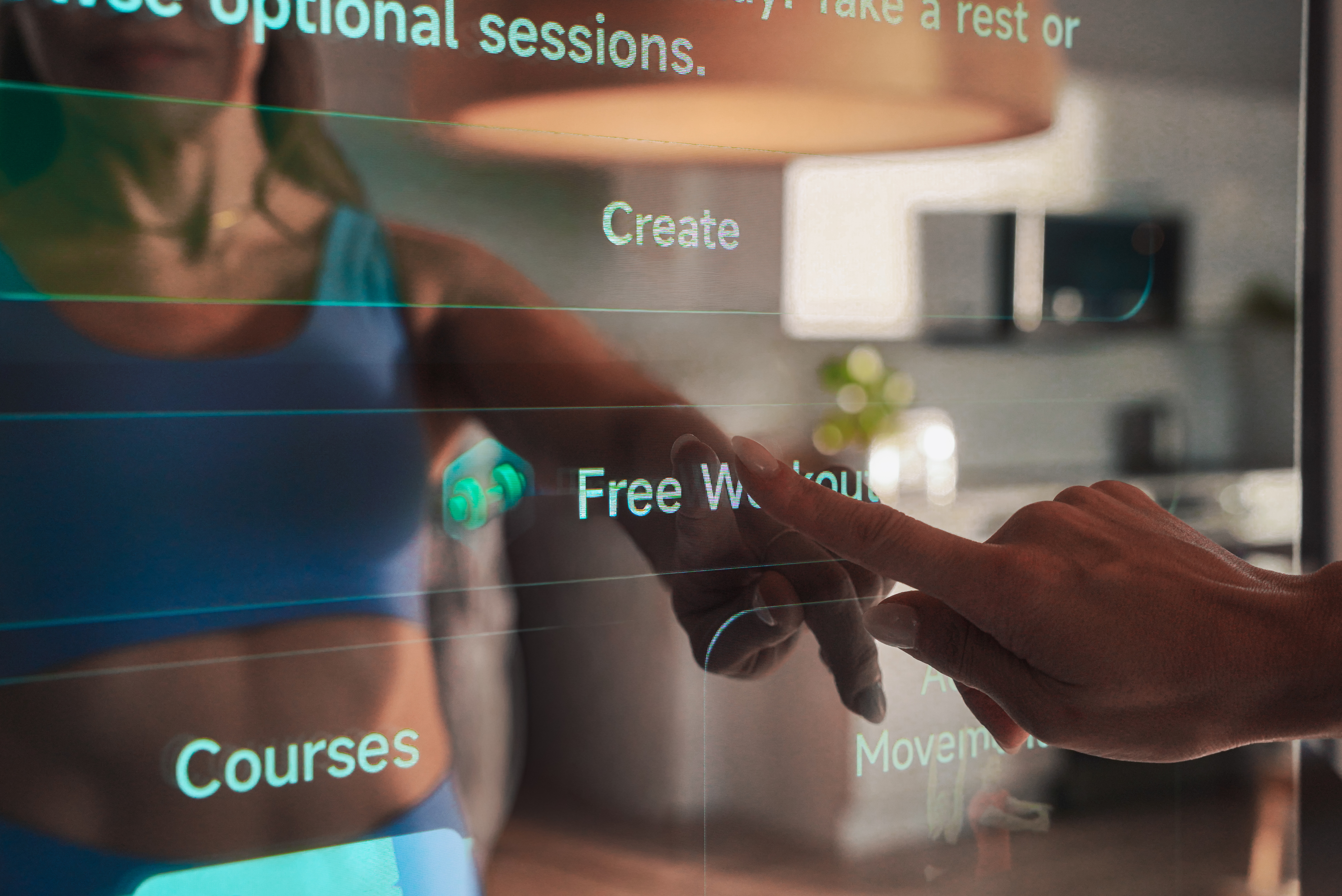
- AI-guided workout recommendations based on user data and progress
- Connected performance tracking and body-data insights
- Built-in safety features that help support a more confident training experience
Digital Weights vs Free Weights
Traditional free weights use gravity and fixed physical load to create resistance. Dumbbells, barbells, and weight plates are simple, effective, and widely used.
Digital resistance follows a different approach. Instead of static mechanical load, resistance is controlled electronically through motors and intelligent software systems.
Both methods can support strength training, but the experience is different.
Traditional Free Weights
- Require physical weight plates or dumbbells
- Often need more storage space
- Resistance changes manually through physical weight adjustments
- Limited performance tracking and feedback
- Resistance remains constant throughout the movement
Digital Resistance Training
- Uses motor-driven resistance technology
- Supports resistance adjustments as precise as 0.5 kg
- Enables multiple intelligent training modes
- Integrates with AI-guided fitness systems
- Includes connected tracking and safety-support features
For many users, the biggest difference is convenience and flexibility. Digital systems can make strength training feel more approachable, especially for people training at home.
Why Precision Matters in Strength Training
Traditional gym equipment often increases resistance in larger jumps. Digital resistance systems can support smaller, more controlled adjustments.

This matters because strength training is not always about lifting the heaviest possible weight. It is also about control, progression, and movement quality.
More precise resistance adjustments may help users:
- Progress more gradually
- Train more confidently
- Reduce unnecessary strain
- Adapt workouts to different energy levels
- Maintain better movement control
For beginners especially, smaller resistance changes can make strength training feel less intimidating and easier to sustain.
How Smart Home Gyms Use Digital Resistance
Digital resistance technology is becoming increasingly common in smart home gym systems.
Instead of requiring multiple machines or large equipment setups, intelligent systems can combine adjustable resistance, guided training, and performance tracking into one connected experience.
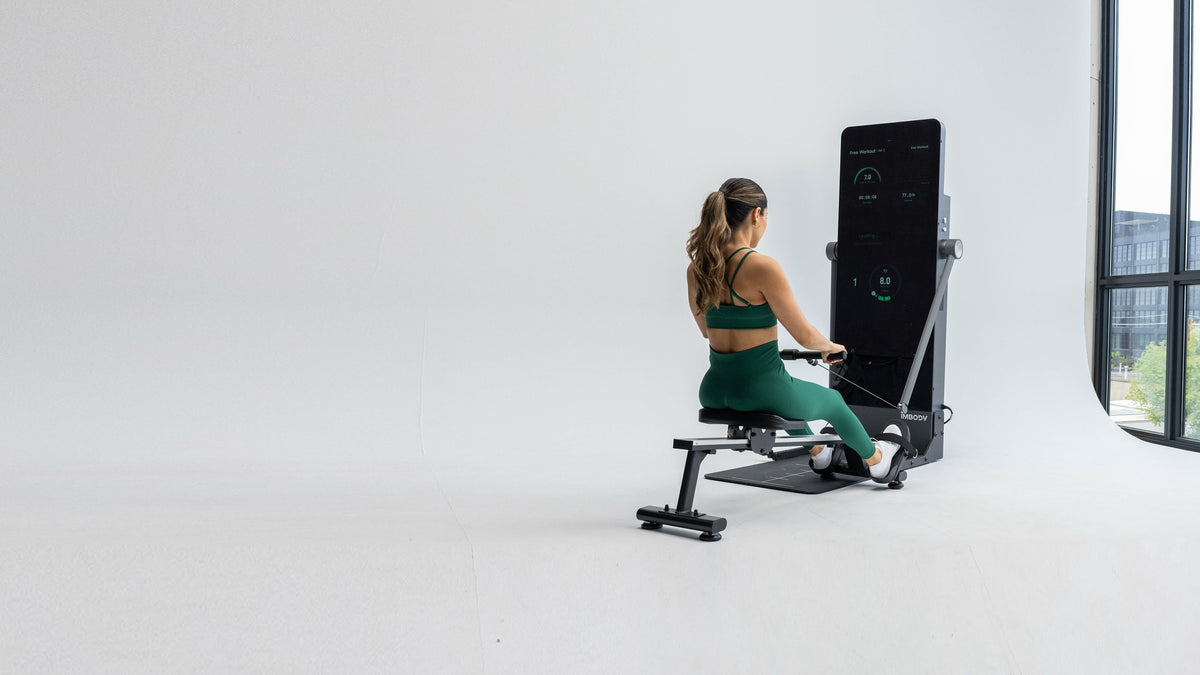
With systems like IMBODY Power S and IMBODY Power Q, users can access AI-supported training modes, digital resistance adjustment, and guided workouts through an integrated smart fitness system.
This creates a more streamlined approach to home strength training while reducing the space requirements associated with traditional equipment.
Different Training Modes Create More Adaptive Workouts
One advantage of digital resistance systems is the ability to support different resistance behaviors through software-controlled modes.

Depending on the platform, training modes may adapt how resistance responds during different phases of movement.
This creates opportunities for:
- Smoother resistance transitions
- Controlled eccentric training
- More responsive movement patterns
- Adaptive support during fatigue
- More personalized workout experiences
Instead of treating every repetition exactly the same, intelligent systems can create a more dynamic relationship between movement and resistance.
Accessories Expand Training Possibilities
Digital resistance systems are also designed to work with different accessories that support a wider range of movements and training styles.
For example, accessories such as the Barbell Bar can help recreate compound lifting movements including presses, rows, deadlifts, and squats.
The Bluetooth Handle adds additional flexibility by allowing users to adjust resistance directly during training without interrupting movement flow.
These accessories help expand training variety while maintaining a cleaner and more space-efficient home setup.
Why Digital Resistance Fits Modern Lifestyles
Modern users often want fitness systems that feel flexible, efficient, and easier to integrate into daily life.
Large equipment, complicated setups, and crowded gym schedules can make consistency difficult. Digital resistance systems aim to reduce that friction by creating a more connected and adaptable training experience at home.
For many people, the value is not only technological. It is practical.
Training becomes easier to begin, easier to personalize, and easier to maintain over time.
The Future of Intelligent Strength Training
Digital resistance training represents a broader shift in fitness technology.
Instead of relying only on mechanical equipment, intelligent systems combine:
- Motor-driven resistance
- Software-based training logic
- Performance tracking
- Adaptive workout systems
- Connected fitness experiences
This allows fitness to become more measurable, more responsive, and more aligned with how people actually live today.
As smart home fitness continues to evolve, digital resistance may become an increasingly important part of modern strength training.
Final Thoughts
Digital resistance training is not about replacing traditional weights entirely. It is about creating a smarter and more adaptable training experience.
By combining intelligent resistance control, guided fitness systems, and connected workout technology, digital resistance helps make strength training more flexible, space-efficient, and approachable for everyday life.
For many users, the future of fitness may not depend on adding more equipment — but on making training more intelligent.
Explore More from IMBODY
- IMBODY Power S — AI-powered smart home gym with digital resistance training.
- IMBODY Power Q — Compact intelligent fitness system designed for modern living spaces.
- Barbell Bar — Support classic compound strength movements with digital resistance.
- Bluetooth Handle — Adjust resistance directly during workouts for smoother training flow.
Share:
How to Build a Minimalist Home Gym That Fits Your Lifestyle
Why Consistency Matters More Than Intensity in Modern Fitness