


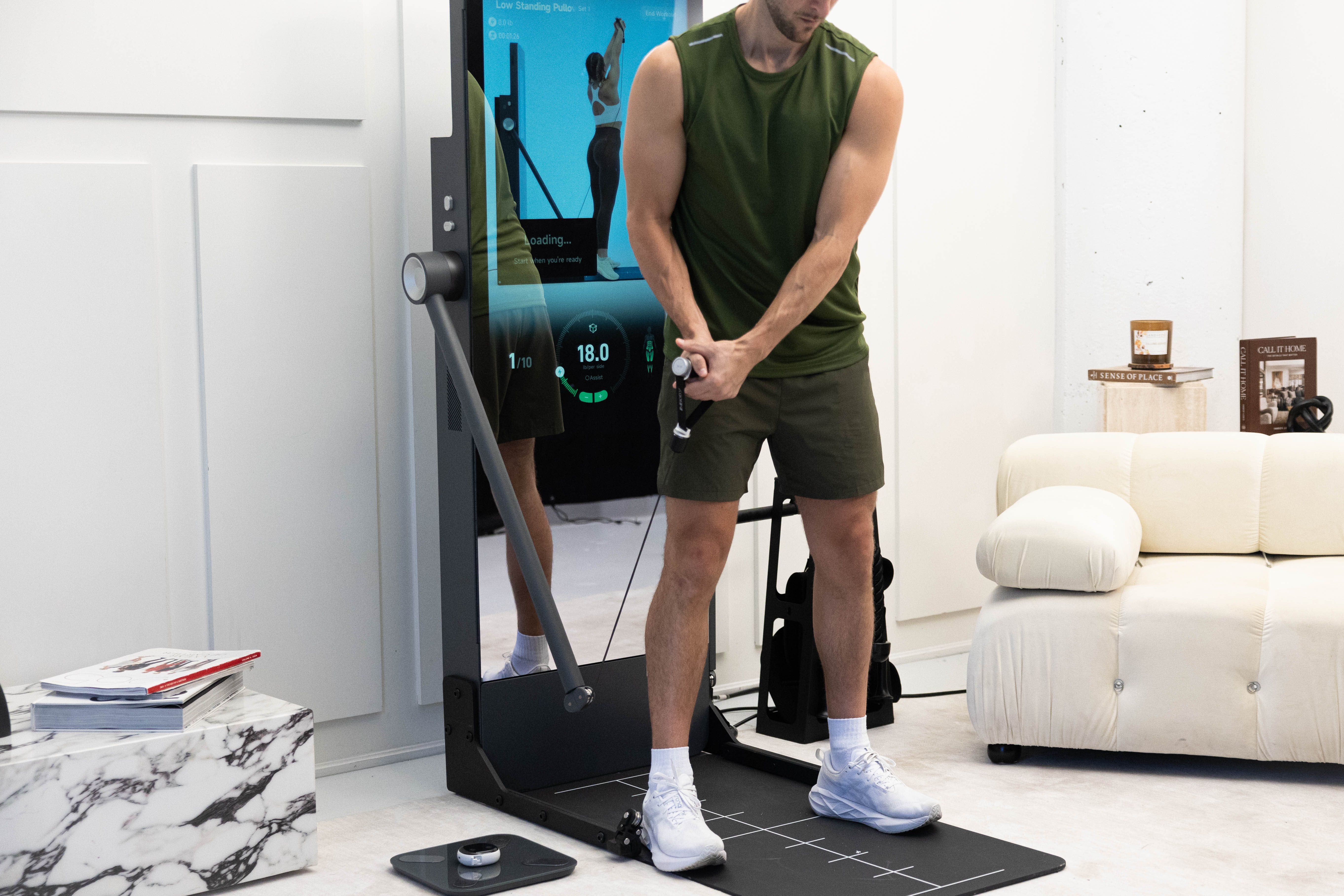
Home fitness is no longer only about owning equipment.
It is becoming a connected experience.
For many users, a modern home workout now includes hardware, software, data, guided training, and intelligent support working together. The goal is not simply to complete a workout. The goal is to build a fitness routine that feels more personalized, more trackable, and easier to sustain over time.
This is why connected fitness is becoming the new standard for home workouts.
For IMBODY, the future of home fitness is not just a smarter machine. It is a smarter system — one that helps users understand what to do, how to train, and how to keep moving consistently at home.
What Is Connected Fitness?
Connected fitness refers to fitness equipment and digital systems that link training hardware with software, data, and personalized guidance.
Instead of using equipment in isolation, connected fitness systems may include:
- Smart training hardware
- Interactive displays
- App-connected workout experiences
- Real-time performance tracking
- AI-powered workout recommendations
- Cloud-based training history
- Personalized progress insights
This turns home workouts from disconnected sessions into a more complete training journey.
When users can train, track, and adjust within one system, fitness becomes easier to understand and easier to return to.
Why the Market Is Moving Toward Connected Gym Equipment
Connected gym equipment is growing because users want more than access to exercise.
They want guidance.
They want personalization.
They want home fitness that fits their daily life and helps them make better training decisions.
Fortune Business Insights describes connected gym equipment as smart treadmills, interactive bikes, intelligent rowing machines, and app-enabled strength training systems designed to deliver real-time workout tracking and personalized fitness experiences.
This reflects a larger shift in fitness technology: equipment is becoming part of a broader digital wellness ecosystem.
Hardware Alone Is No Longer Enough
Traditional home fitness equipment can help users move, but it often stops there.
A machine may provide resistance or cardio movement, but users are still left to decide the workout plan, training intensity, progression strategy, and long-term routine on their own.
For some users, that works.
But for many busy professionals, beginners, and home gym shoppers, this creates friction.
They do not only need a machine. They need a system that helps answer:
- What should I train today?
- How should I adjust the workout?
- Am I progressing over time?
- How can I stay consistent?
- How can fitness fit into my home and schedule?
Connected fitness helps close the gap between owning equipment and actually using it consistently.
The Role of AI in Connected Fitness
AI is becoming one of the most important parts of connected fitness because it can help turn data into guidance.
Without guidance, data can become overwhelming. Users may see numbers, charts, or performance records without knowing what they should do next.
AI-powered workout planning can help organize that information into more practical training support.
For IMBODY, this is where the IAC® intelligent training system becomes central. IMBODY uses intelligent training support to help users receive workout recommendations based on their goals, fitness level, body data, and training history.
Instead of asking users to plan every session from scratch, IMBODY helps create a clearer training path.
Why Data Should Support the User
Connected fitness should not turn every workout into a performance test.
The value of fitness data is not simply having more metrics. It is using data to support better habits.
A connected fitness system can help users understand:
- How often they are training
- How resistance or intensity changes over time
- How their body data connects with training progress
- When they may need to adjust their routine
- How small workouts contribute to long-term consistency
When used well, data helps users feel more supported, not more pressured.
This is a key part of the IMBODY approach: technology should reduce friction and make fitness feel more approachable.
The Connected Fitness Loop: Assess, Train, Track, Adjust
A smart home fitness system becomes more powerful when it creates a feedback loop.
That loop can be understood as:
- Assess — understand the user’s starting point, body data, and goals
- Train — follow guided workouts and intelligent recommendations
- Track — review training history, progress, and body-data changes
- Adjust — refine future training based on progress and needs
This is the difference between using equipment and using an intelligent fitness ecosystem.
Connected fitness helps create continuity. Each workout can inform the next one, making the routine feel more structured and easier to sustain.
How IMBODY Power S Fits the Connected Fitness Standard
IMBODY Power S is designed for this new connected fitness standard.
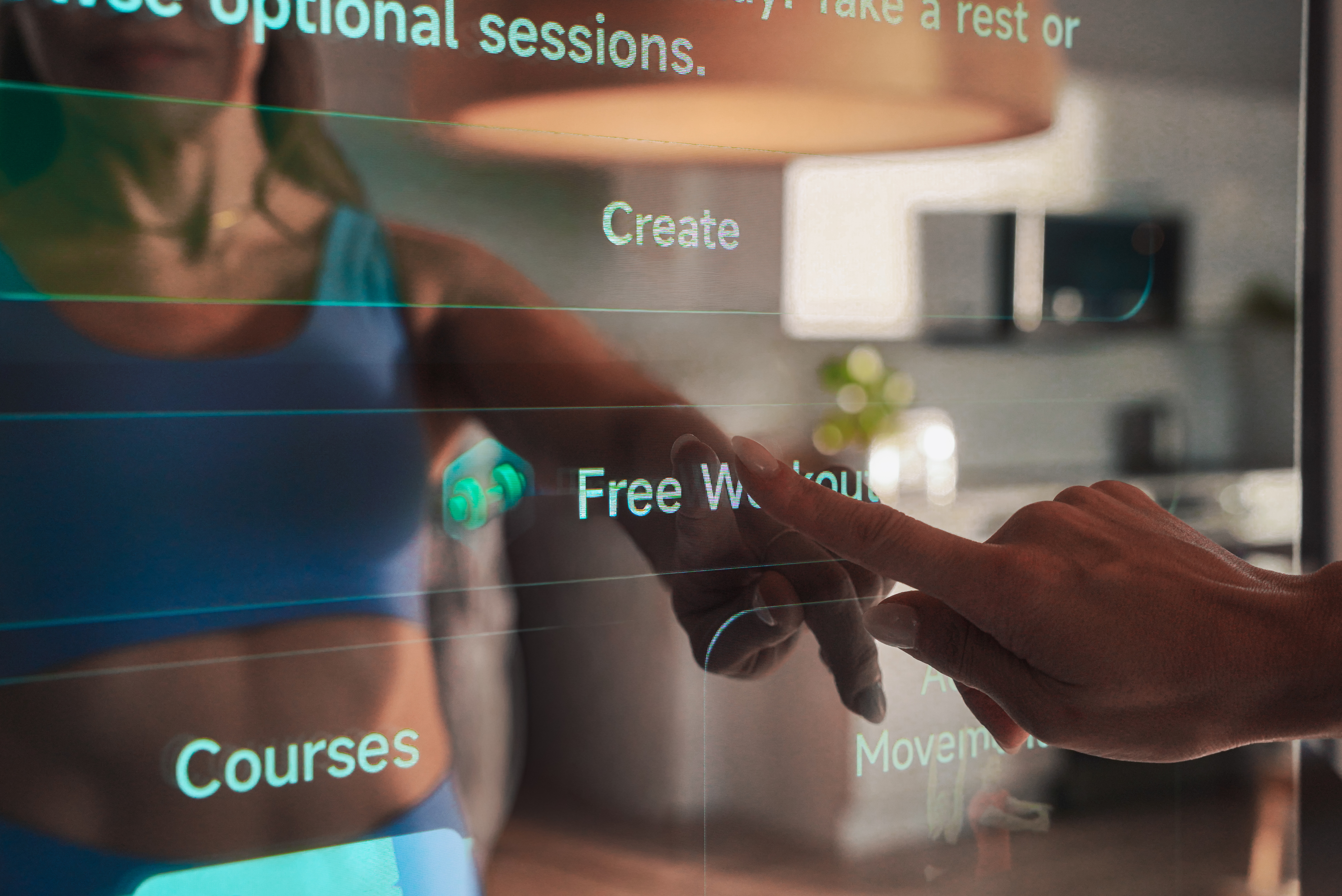
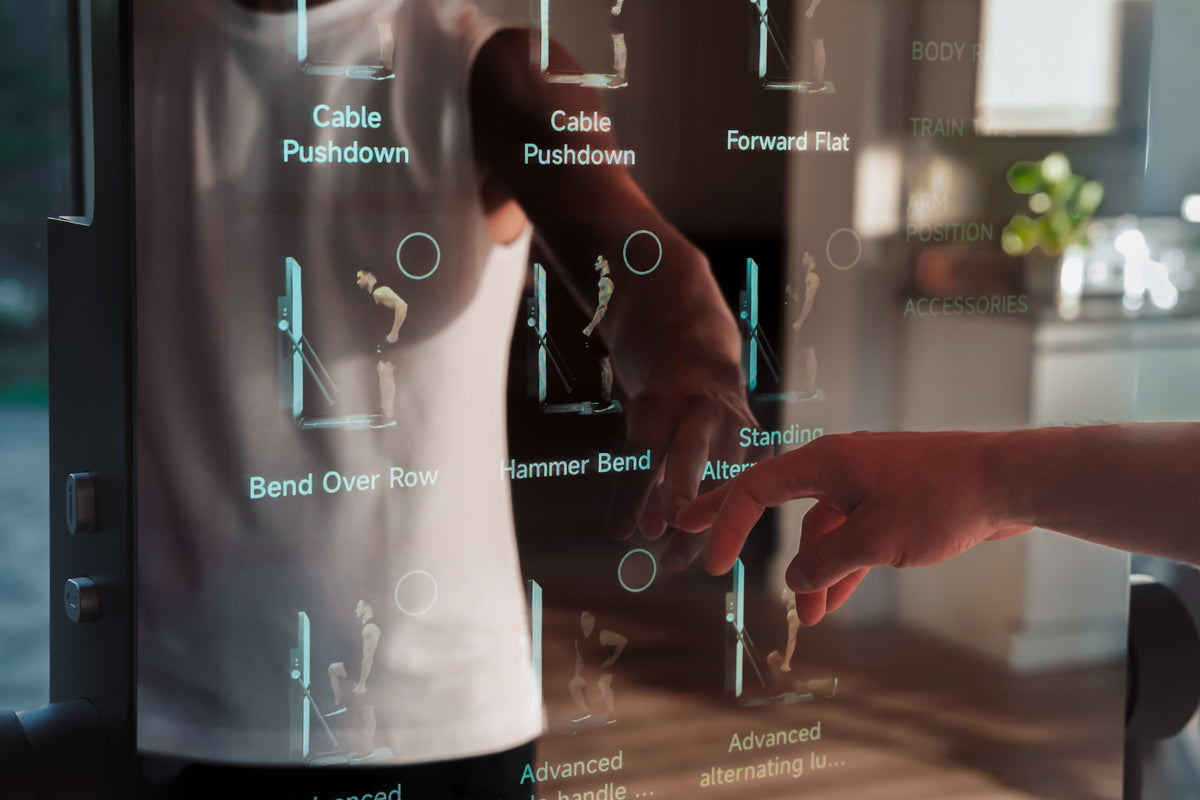
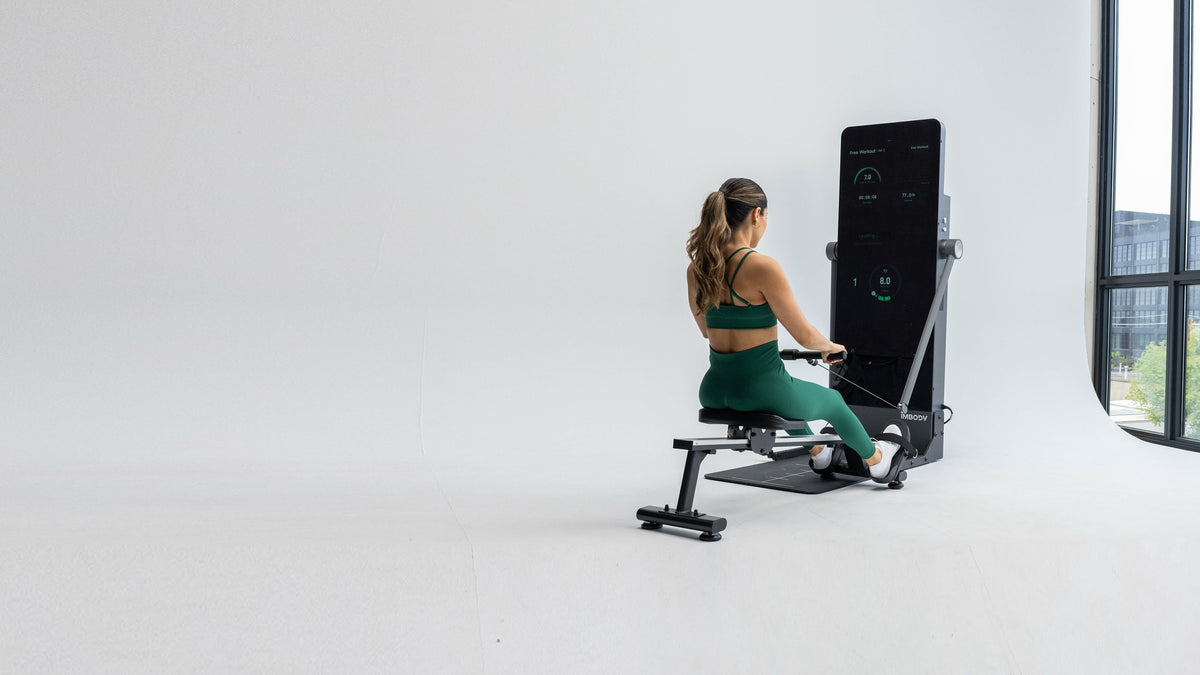
Power S brings together a smart fitness mirror, adjustable digital resistance, smart arms, AI-powered personalized training, guided workouts, dual-user support, and connected progress tracking in one refined home fitness system.
This matters because users no longer need to piece together multiple disconnected tools: one app for workouts, another device for tracking, separate weights for strength, and another system for progress.
IMBODY brings these pieces into one experience so users can train with more clarity and less planning.
Why Connected Fitness Works for Modern Homes
Modern home fitness needs to respect the home.

Not every user has space for a full gym setup. Many people need fitness equipment that can fit into an apartment, condo, shared room, or lifestyle-focused living space.
Connected fitness systems can help by combining multiple training functions into one more compact setup.
Power S supports strength training through digital resistance, guided movement through the smart fitness mirror, and training variety through smart arms and connected workout experiences.
This makes IMBODY especially relevant for users who want a complete home fitness solution without turning their home into a traditional equipment room.
From Equipment Purchase to Long-Term Support
The future of home fitness is not only about what users buy.
It is about what helps them continue.
Connected fitness creates value after the first workout because it keeps supporting the user through recommendations, progress tracking, feedback, and training structure.
This long-term support is especially important for users who want fitness to become a sustainable part of life rather than a short-term project.
IMBODY Power S is built around that idea: fitness should feel guided, integrated, and easier to return to.
Final Thoughts
Connected fitness is becoming the new standard because users need more than equipment.
They need systems that guide, track, adapt, and support them over time.
With smart hardware, AI-powered training, digital resistance, and connected progress tracking, IMBODY Power S reflects the future of home workouts: a more personalized, more intelligent, and more sustainable way to train at home.
For IMBODY, connected fitness is not about adding technology for its own sake.
It is about helping fitness fit more naturally into real life.
Explore IMBODY Power S
Discover a connected smart home fitness system designed to support guided training, digital resistance, intelligent workout planning, and consistent movement at home.
Share:
Digital Resistance vs Traditional Weights: Which Fits Home Training Better?
IMBODY × Unitree: Exploring the Future of Intelligent Fitness and Robotics