


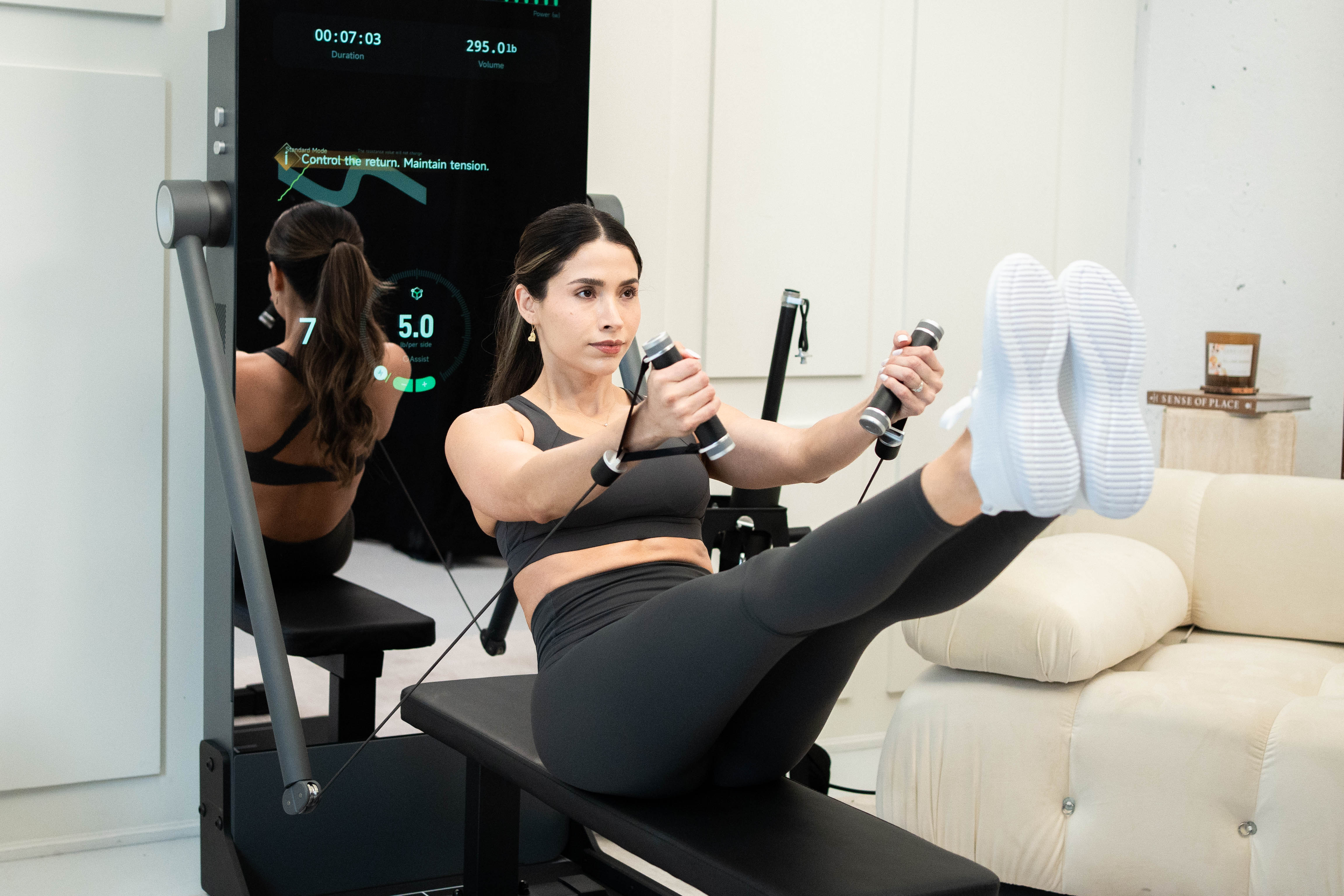
Traditional weights have been the foundation of strength training for a long time.
Dumbbells, barbells, plates, and cable machines can all be effective tools for building strength. But as more people train at home, the question is starting to shift.
It is no longer only about whether weights work.
It is about what fits home training better.
For users who want strength training without a room full of equipment, digital resistance training offers a different way to think about progress, space, safety, and consistency. IMBODY approaches this shift through smart resistance technology designed to make home strength training more precise, more guided, and easier to live with.
What Is Traditional Weight Training?
Traditional weight training uses physical load to create resistance.
This can include:
- Dumbbells
- Barbells
- Weight plates
- Kettlebells
- Cable stacks
- Plate-loaded machines
These tools are familiar, effective, and widely used. They allow users to train major movement patterns such as pushing, pulling, squatting, hinging, and carrying.
For many people, traditional weights are still valuable. The challenge is that they are not always easy to manage at home.
The Home Training Challenge
At home, equipment needs to do more than support exercise.
It needs to fit into real living space.
A full traditional strength setup can require multiple dumbbells, a bench, plates, racks, cable attachments, storage space, and enough open floor area to train safely.
That may work in a dedicated garage gym, but it can feel less realistic in an apartment, condo, or shared living space.
Home users often need a setup that is:
- Space-efficient
- Easy to adjust
- Simple to start
- Safe to use alone
- Flexible enough for multiple training styles
This is where smart home gym systems and digital resistance begin to stand apart.
What Is Digital Resistance Training?
Digital resistance training uses motor-driven resistance technology instead of relying only on physical weight plates or stacks.
Rather than adding or removing heavy plates manually, users train against resistance generated by the system. This allows a compact smart home gym to provide a wide resistance range without requiring the same amount of physical equipment.
In the case of IMBODY Power S, users can access up to 260 lbs of adjustable digital resistance with 0.5 kg precision control.
This gives users a more refined way to train at home: strong enough for serious strength work, precise enough for gradual progression, and compact enough for modern living spaces.
Digital Resistance vs Weights: The Key Differences
Traditional weights and digital resistance can both support strength training, but they create different training experiences.
Traditional Weights
- Use physical load such as plates, dumbbells, or stacks
- Often require more storage space
- Resistance is changed manually
- Progression may depend on larger weight jumps
- Tracking usually requires a separate app or manual logging
- Safety adjustments during a movement can be limited when training alone
Digital Resistance
- Uses motor-driven resistance technology
- Can support a large resistance range in a smaller footprint
- Allows more precise resistance adjustments
- Connects with smart training guidance and workout tracking
- Can support different training modes within one system
- May include safety-support features such as assisted resistance reduction
The better choice depends on the user’s goals, space, and preferred training experience. For many home users, digital resistance offers a cleaner and more guided path.
Why 0.5 kg Precision Matters
Progress in strength training is often built through small improvements over time.
With traditional weights, users may need to jump from one dumbbell or plate increment to the next. Sometimes that jump feels too large, especially for beginners, returning users, or smaller muscle groups.
IMBODY Power S supports 0.5 kg precision control, which allows users to adjust resistance in smaller steps.
This can make progressive overload feel more manageable. Instead of waiting until the body is ready for a large increase, users can move forward gradually with more control.
For home training, that precision helps make strength progression feel less like guesswork.
Why 260 lbs of Digital Resistance Changes the Setup
One reason traditional home gyms take up space is simple: more resistance usually means more physical weight.
Plates, dumbbells, racks, and stacks all require room.
Digital resistance changes that relationship.
With up to 260 lbs of adjustable digital resistance, IMBODY Power S can support a wide range of strength training needs without requiring users to store hundreds of pounds of physical equipment at home.
This is especially meaningful for apartment residents, condo owners, and home gym shoppers who want strength training without building a full equipment room.
Space-Saving Strength Training
A smart home gym should not overwhelm the home.
Garage Gym Reviews notes that smart home gym equipment can make home workouts more realistic for people who do not have space for a large garage gym, with technology helping once-large gym setups become much smaller.
This is one of the clearest advantages of digital resistance for home training.
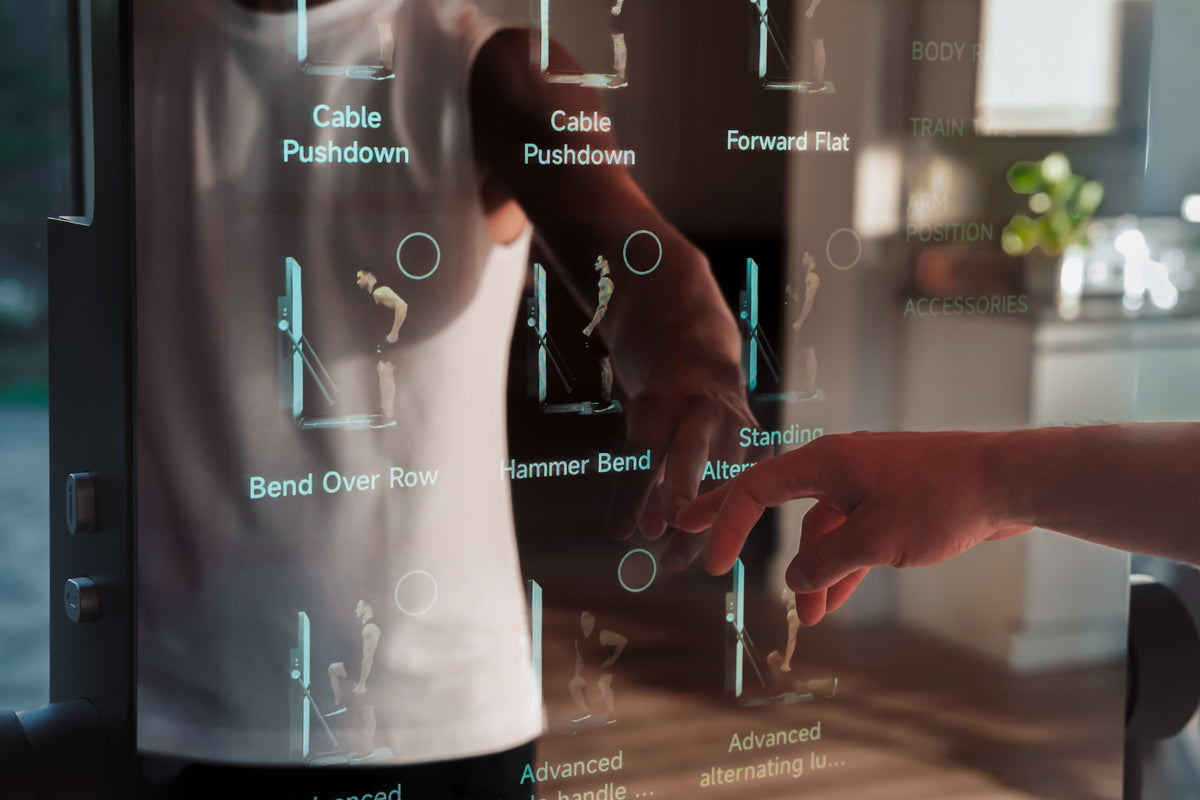
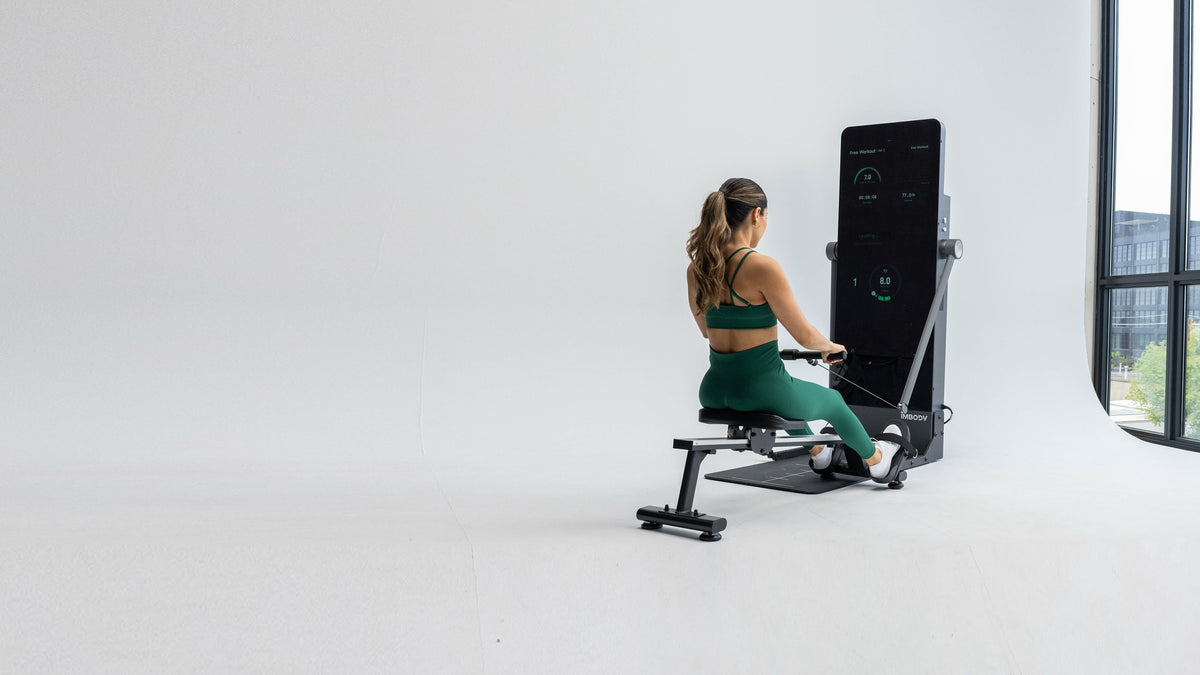
Instead of separating strength training across multiple machines and weight sets, IMBODY Power S combines a smart fitness mirror, smart arms, digital resistance, guided workouts, and connected progress tracking in one integrated system.
The result is not simply a smaller gym.
It is a more refined way to bring strength training into everyday living space.
Safety Matters When Training at Home
When people train alone, control becomes especially important.

Traditional weights can be safe when used properly, but they often require users to manage load changes manually and make quick decisions during difficult moments.
Digital resistance can support a more responsive training experience.
With IMBODY Power S, safety-support features such as Assist Mode and compatible Bluetooth Handle control help users feel more in control during home strength training.
When resistance needs to be reduced, the system is designed to support adjustment rather than leaving users to manage everything manually.
This can be especially helpful for beginners, users returning after a break, or anyone training without a spotter at home.
Smart Resistance Works Best With Smart Guidance
Digital resistance is not only about replacing physical weight.
Its full value appears when resistance is connected to guidance, tracking, and intelligent training support.
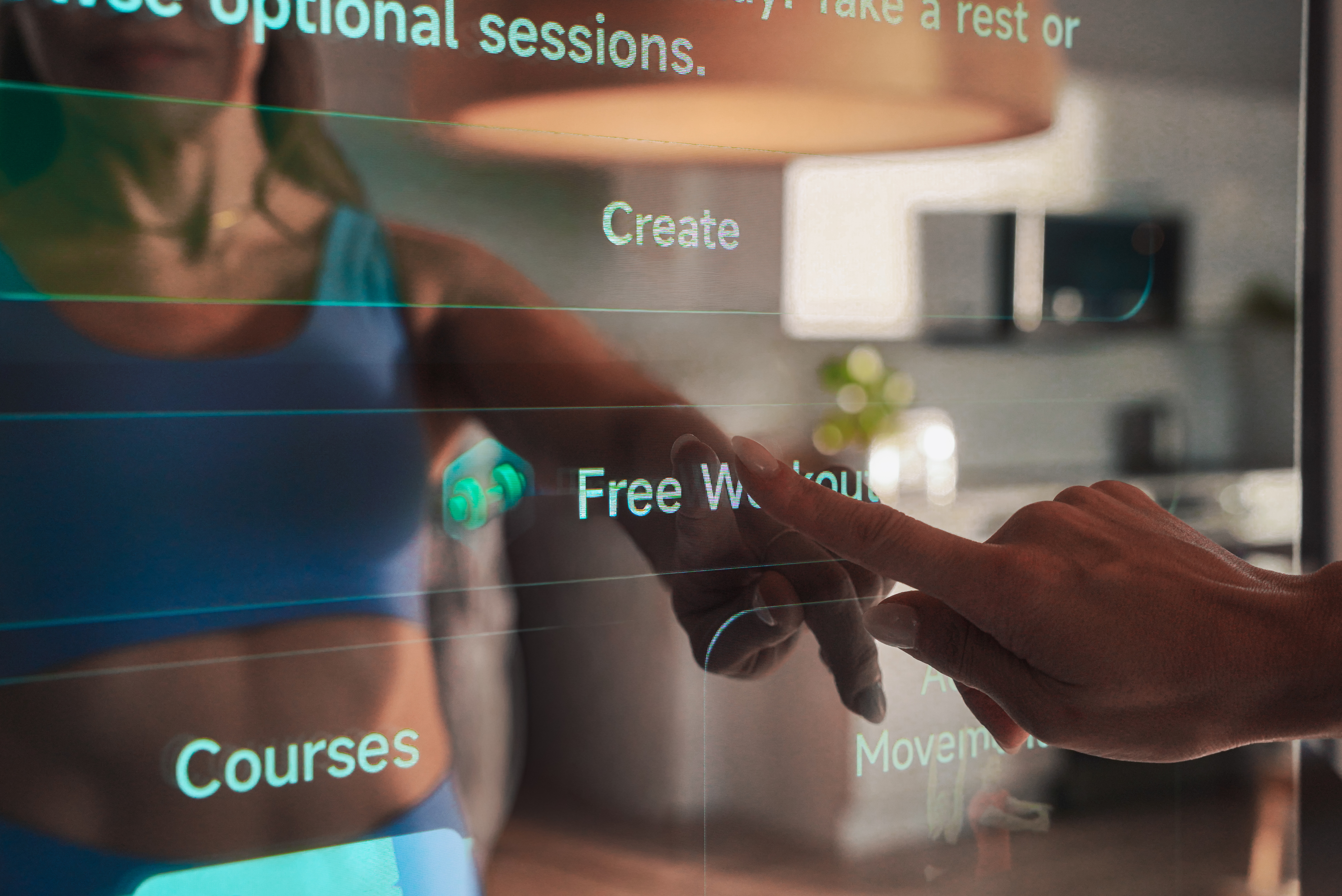
IMBODY Power S combines digital resistance with AI-powered personalized training through the IAC® intelligent training system. Users can receive workout recommendations based on their goals, fitness level, body data, and training history.
This helps reduce the planning burden that often makes home training difficult.
Instead of deciding every workout and every adjustment manually, users can follow a more guided training experience designed to support long-term consistency.
Power S Core vs Power S Elite
For users comparing IMBODY Power S bundles, both Core and Elite connect back to the same smart resistance foundation.
The Power S Core bundle is a strong starting point for users who want the essential IMBODY smart home gym experience, including digital resistance, guided training, and a space-saving setup.
The Power S Elite bundle is better suited for users who want a more complete home training environment with added accessories and expanded workout support.
Both options are built around the same idea: IMBODY helps users train with more precision, less clutter, and a more connected home fitness experience.
Which Fits Home Training Better?
Traditional weights may still be the right choice for users who enjoy classic lifting, have dedicated space, and prefer fully manual training.
Digital resistance may fit better for users who want:
- A compact smart home gym
- Less equipment clutter
- More precise resistance adjustment
- Guided strength training
- Connected progress tracking
- Safety-support features for training alone
- A system that fits modern living spaces
For many home users, the question is not which tool is more traditional.
The question is which tool makes strength training easier to repeat.
Final Thoughts
Digital resistance and traditional weights can both support effective strength training.
But for home fitness, digital resistance offers meaningful advantages in space efficiency, precision, guidance, and safety support.
IMBODY Power S brings these advantages together with up to 260 lbs of adjustable digital resistance, 0.5 kg precision control, smart arms, AI-powered personalized training, and connected progress tracking.
For users who want strength training that fits real life, IMBODY offers a more refined alternative to building a room full of traditional equipment.
Explore IMBODY Power S
Discover a smart home gym designed to support digital resistance training, precise progression, safety-support features, and consistent strength training at home.
Share:
The Best Home Gym Is the One You Actually Use
Why Connected Fitness Is Becoming the New Standard for Home Workouts