


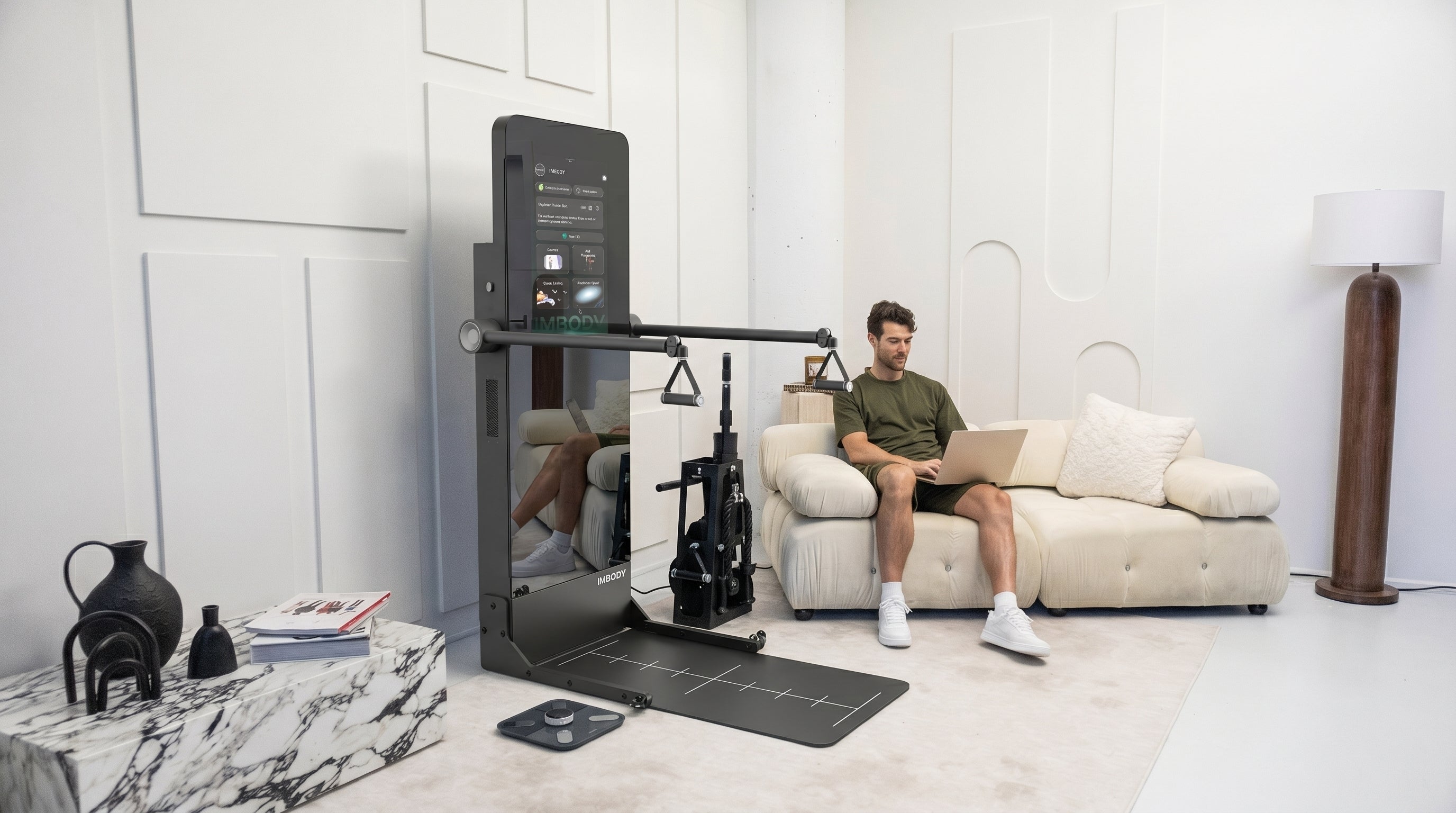
AI is becoming part of everyday fitness, but the phrase “AI personal trainer” can still feel unclear.
For some people, it sounds futuristic. For others, it sounds like another app promising more motivation, more tracking, and more things to manage.
But the real value of an AI personal trainer should not be hype.
It should be support.
A well-designed AI fitness system should help users reduce planning, understand where to begin, and follow a personalized fitness plan with less guesswork. For IMBODY, that means using intelligent training as a quiet layer of guidance — not as a replacement for human judgment, but as a way to make consistent movement easier to access at home.
What Is an AI Personal Trainer?
An AI personal trainer is a digital fitness system that uses user data, training goals, workout history, and performance patterns to provide more personalized workout guidance.
Instead of giving every user the same generic workout, an AI-powered fitness system can help recommend training based on where the user is, what they want to improve, and how their body responds over time.
In practical terms, an AI personal trainer can help answer questions such as:
- What should I train today?
- Which workout fits my current goal?
- How should I adjust the session based on my fitness level?
- How can I continue progressing without overthinking?
- How can I return after missing a few days?
The best AI workout planner is not one that makes fitness feel more complicated. It is one that makes the next step feel clearer.
Why AI Fitness Is Growing
AI fitness is growing because many people want guidance without adding more decisions to their day.
Modern users are surrounded by fitness choices: workout apps, online videos, strength programs, cardio routines, recovery plans, and wearable data. More choice can be helpful, but it can also create decision fatigue.
For busy professionals, beginners, and tech-savvy users, the challenge is often not finding a workout. It is knowing which workout makes sense today.
This is where AI-powered workout planning becomes useful.
Instead of forcing users to constantly plan from scratch, AI can help organize training into a more personalized and repeatable experience.
What an AI Personal Trainer Should Actually Do
An AI personal trainer should not simply generate random workouts.
It should help create a smarter relationship between the user, their goals, and their training routine.
A useful AI fitness system should support:
- Personalized workout recommendations
- Goal-based training plans
- Fitness-level adjustments
- Progress tracking over time
- Training consistency without unnecessary pressure
- Clear guidance that reduces decision fatigue
The goal is not to make users dependent on technology. The goal is to reduce friction so they can move more consistently.
AI Should Reduce Planning, Not Add Pressure
Many people already know they should move more often.
The problem is that fitness can become another task to plan, manage, and evaluate.
Before a workout even starts, users may need to decide the training type, duration, exercises, resistance level, intensity, and progression strategy. On a busy day, that mental effort can be enough to stop the workout before it begins.
A better AI workout planner should reduce that thinking.
It should help users move from “What should I do?” to “Here is a clear place to start.”
That shift matters because consistency is easier when the next step is simple.
How IMBODY Approaches AI Workout Planning
IMBODY approaches AI fitness through support, structure, and personalization.
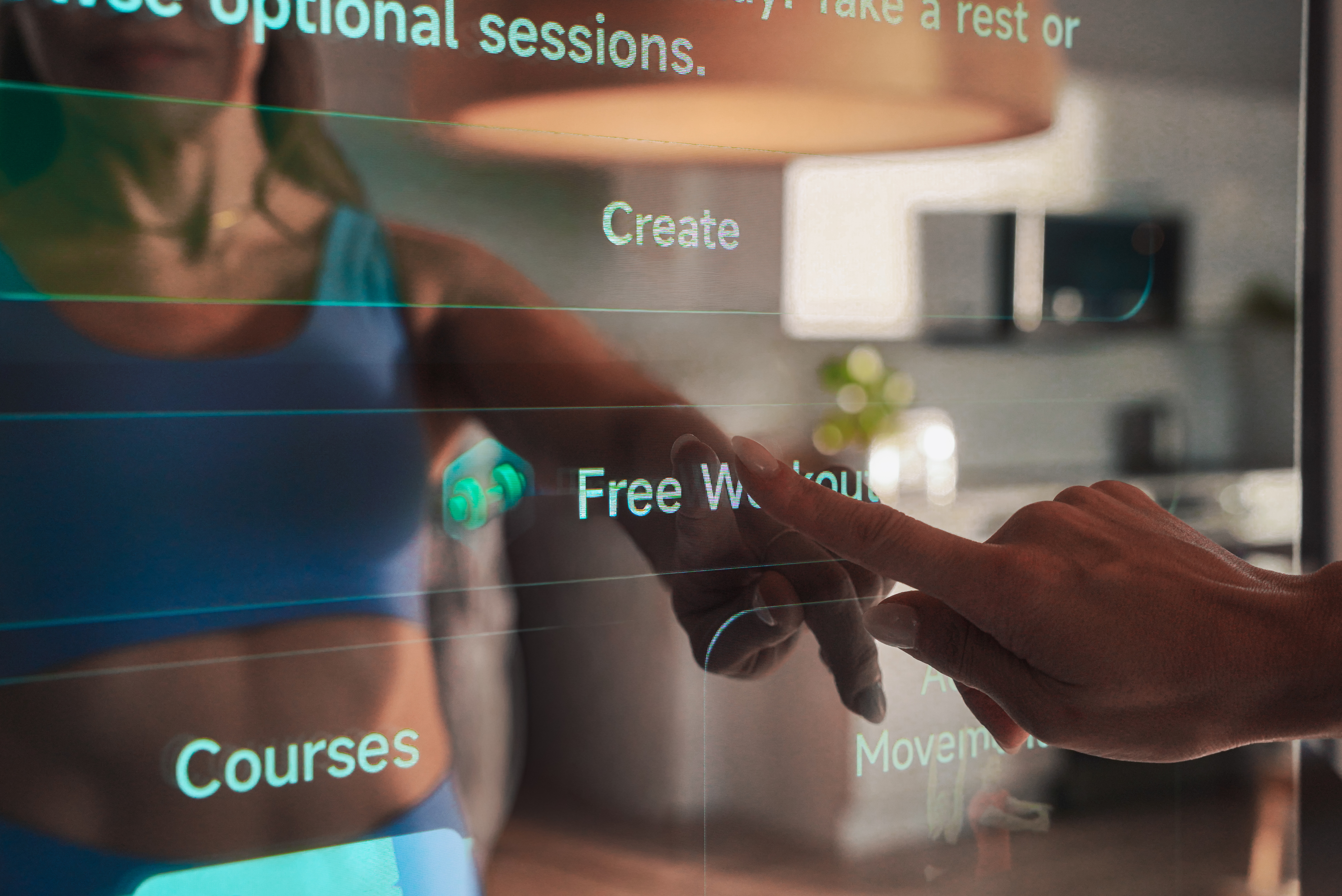
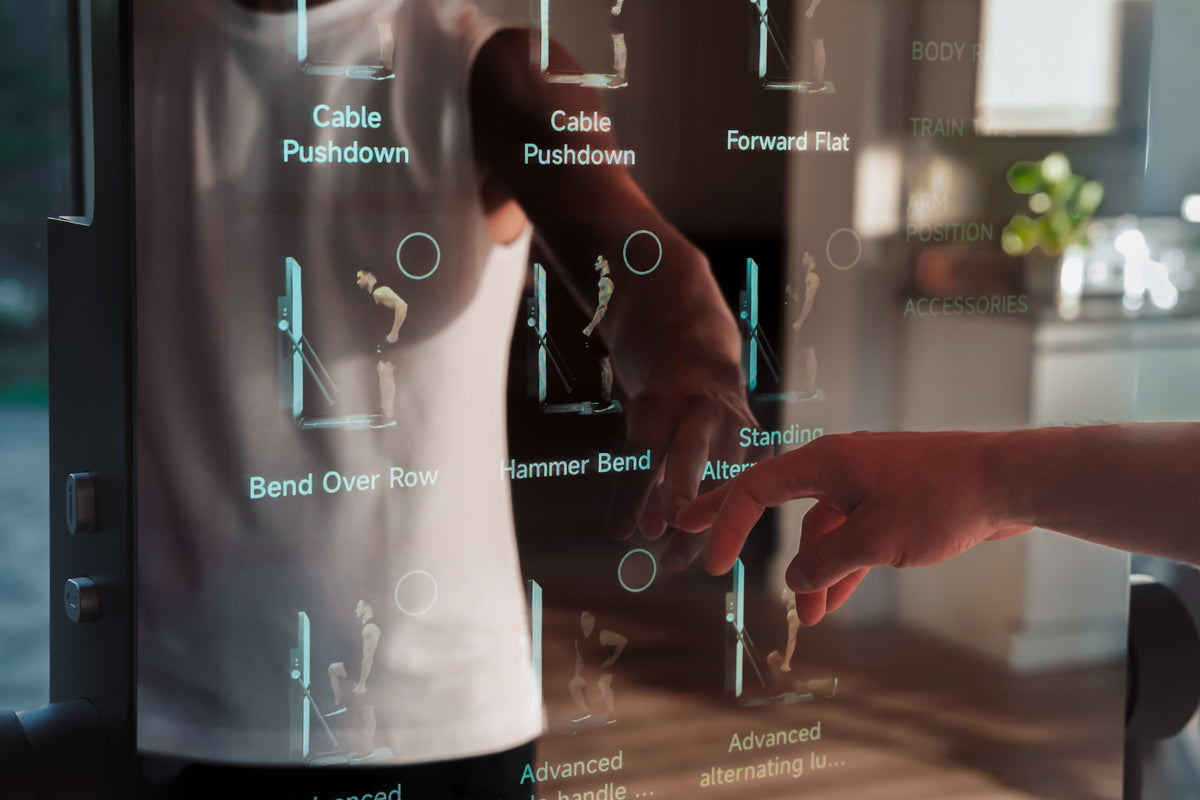
With the IAC® intelligent training system, IMBODY helps users receive workout recommendations based on their goals, fitness level, body data, and training history. Instead of asking users to build every workout manually, the system helps guide them toward a session that fits their current needs.
This makes the training experience feel less like starting from a blank page and more like following a clear path.
For users who want to build consistency, this is important. IMBODY is not asking users to think through every detail before they move. It helps handle more of the planning, so users can focus on showing up.
Personalized Fitness Plans Should Feel Practical
Personalization should not feel overwhelming.
A personalized fitness plan should help users understand what to do, why it matters, and how to continue without turning fitness into a complicated project.
For beginners, this can mean easier entry points and more approachable sessions.
For busy professionals, it can mean shorter, clearer workouts that fit into real schedules.
For tech-savvy users, it can mean a connected experience where data, training, and progress work together.
The best personalized fitness plan is not only intelligent. It is usable.
Why AI Works Best Inside a Complete Fitness System
AI workout planning becomes more valuable when it is connected to the full training experience.

Software alone can suggest a workout, but a complete smart fitness system can connect planning, resistance, movement, progress tracking, and body-data insights into one experience.
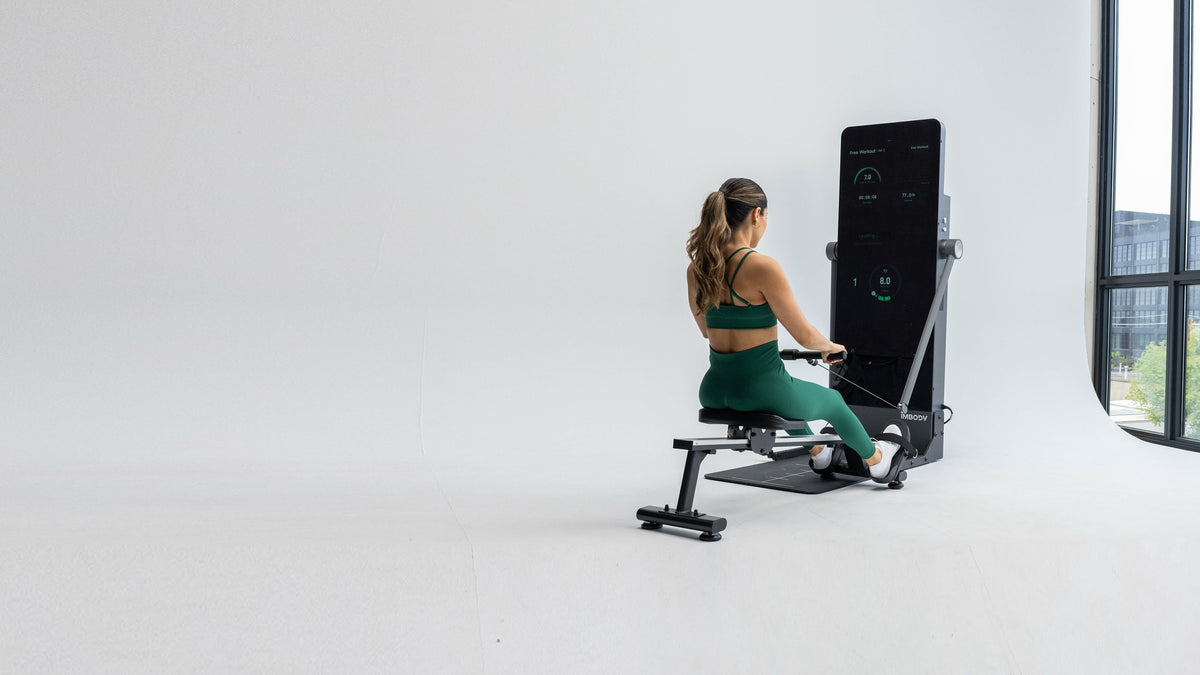
This is why IMBODY Power S is designed as more than a screen or workout app.
Power S combines a smart fitness mirror, adjustable digital resistance, smart arms, AI-powered personalized training, connected tracking, and dual-user support. Together, these features help create a more complete home fitness system for users who want guided training without building a room full of equipment.
Choosing the Right Power S Setup
Different users may need different levels of support from their home fitness system.
The Power S Core bundle is a strong starting point for users who want the essential IMBODY smart home gym experience, including guided training and digital resistance in a refined home setup.
The Power S Elite bundle is well suited for users who want a more complete training environment with additional support for everyday strength routines.
The Power S Apex bundle is designed for users who want the most complete Power S setup, with expanded accessories that support a broader range of training experiences at home.
Each bundle connects back to the same central idea: IMBODY helps users train with more guidance, less planning, and a system built for consistency.
What AI Should Not Do
An AI personal trainer should not make users feel like they are being judged by data.
It should not turn every workout into a performance test.
It should not push users toward intensity for the sake of intensity.
And it should not pretend that technology alone is the entire answer.
Fitness is still personal. Energy changes. Life changes. Goals change. A smart system should support those changes with flexibility and clarity.
The role of AI is to help users continue, not pressure them into perfection.
A More Refined Future for Smart Fitness
The future of AI fitness is not about replacing human motivation or human experience.
It is about removing unnecessary friction.
When an AI personal trainer is designed well, it can help users spend less time planning and more time moving. It can turn fitness from a daily decision into a more guided rhythm.
For IMBODY, this is where smart home fitness becomes meaningful: technology works quietly in the background, while the user builds a routine that fits real life.
Final Thoughts
An AI personal trainer should do more than recommend workouts.
It should reduce decision fatigue, personalize the training experience, connect progress over time, and help users return to movement with less friction.
IMBODY Power S brings this idea into the home through the IAC® intelligent training system, digital resistance, guided workouts, and connected progress tracking.
The goal is not to replace the personal side of fitness.
The goal is to make fitness feel easier to begin, easier to understand, and easier to sustain.
Explore IMBODY Power S
Discover a smart home fitness system designed to support AI-powered workout planning, personalized training, and consistent movement at home.
Reference
Grand View Research: North America AI Personal Trainer Market Outlook
Share:
Why Rowing Remains One of the Most Efficient Full-Body Workouts
The Best Home Gym Is the One You Actually Use