


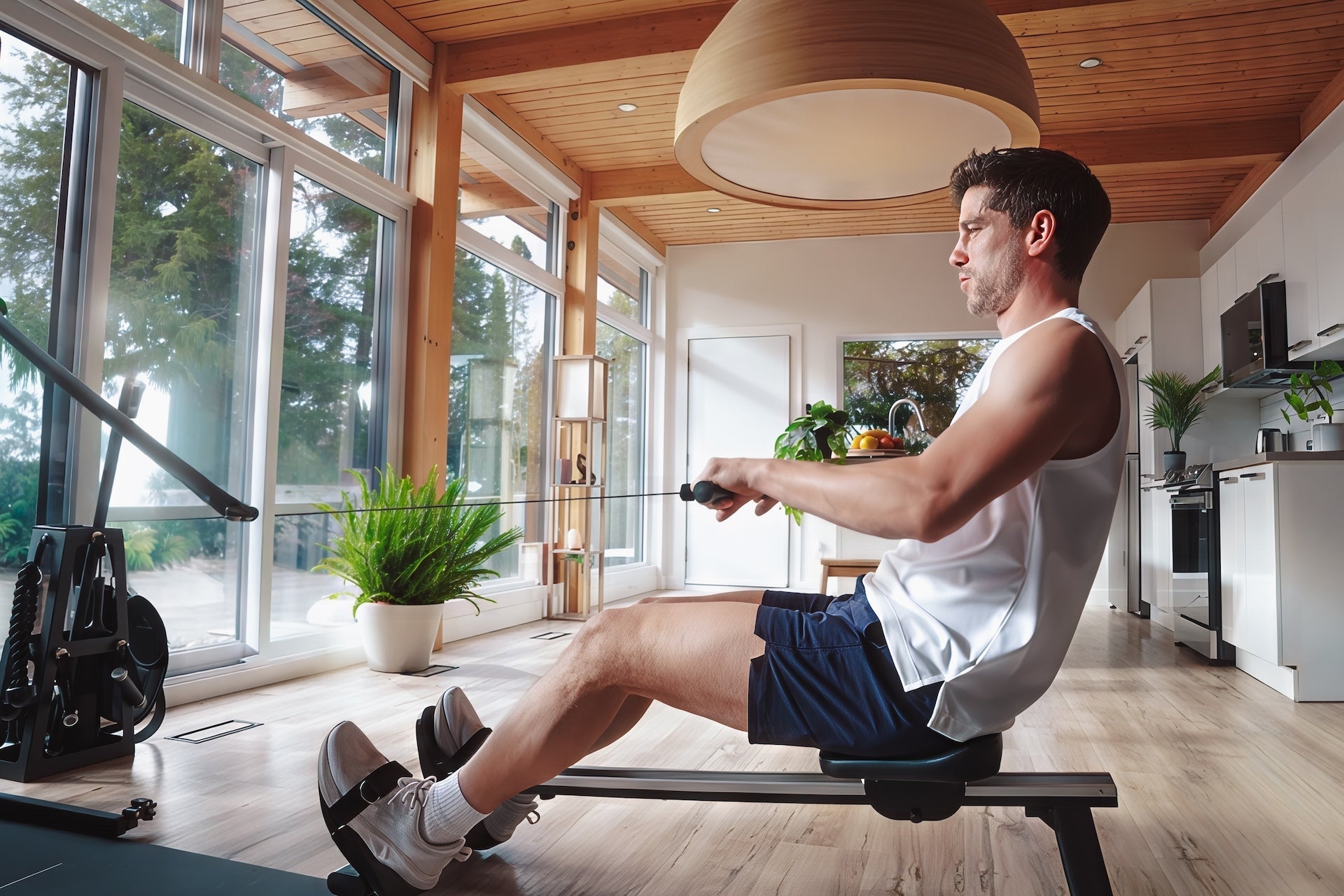
Rowing has remained a popular training method for a simple reason: it works with the whole body.
Unlike workouts that focus on only one area, rowing-style movement can involve the legs, back, arms, core, and cardiovascular system in one coordinated pattern. This makes it a practical choice for users who want a full-body workout at home without needing multiple machines or a complicated setup.
For modern home fitness, rowing also fits a larger shift: people want movement that feels efficient, structured, and easier to repeat.
What Makes Rowing a Full-Body Workout?
Rowing is often seen as an upper-body exercise, but that is only part of the movement.
A proper rowing-style pattern usually includes:
- Leg drive
- Core stability
- Back engagement
- Arm pulling
- Postural control
- Breathing rhythm and endurance
This combination makes rowing-style training useful for people who want to build strength, improve conditioning, and train multiple muscle groups in one session.
Why Rowing Feels Efficient
Many users do not have unlimited time to train.
Between work, family, travel, and daily responsibilities, a workout needs to feel worthwhile without requiring a long setup or complicated planning.
Rowing-style training can be efficient because it combines strength, coordination, and cardiovascular effort into one continuous movement. Instead of switching between several separate exercises, users can follow one focused pattern that challenges the body in a balanced way.
This makes rowing especially useful for short, structured home workout sessions.
Low-Friction Movement for Home Fitness
The best home fitness routine is the one users can return to consistently.

Rowing-style workouts can support that consistency because they are simple to understand, easy to repeat, and adaptable to different fitness levels.
For beginners, rowing can introduce full-body movement without requiring complex exercise selection.
For more experienced users, rowing can become part of conditioning, warm-up, recovery, or full-body training sessions.
The key is not intensity for its own sake. The key is repeatable movement that fits real life.
Why Rowing Supports Strength and Conditioning
Rowing-style movement can help users train both muscular engagement and cardiovascular endurance.
The pulling pattern supports the back and arms. The leg drive supports lower-body involvement. The core helps stabilize the body throughout the movement.
Because these elements work together, rowing can support a more integrated training experience than many single-muscle exercises.
This is one reason rowing remains valuable in home fitness: it helps users do more with less equipment and less decision-making.
How Rowing Fits a Refined Home Fitness Routine
A refined approach to fitness is not about doing the most intense workout every day.
It is about creating a rhythm that feels sustainable.
Rowing-style training can fit into that rhythm in several ways:
- As a short full-body session
- As a warm-up before strength training
- As a conditioning workout
- As a low-friction option on busy days
- As part of a balanced weekly routine
When a movement can serve multiple purposes, it becomes easier to keep in rotation.
Bringing Rowing Into the IMBODY Experience
The Rowing Chair Package is designed to bring rowing-style training into the IMBODY home fitness setup.

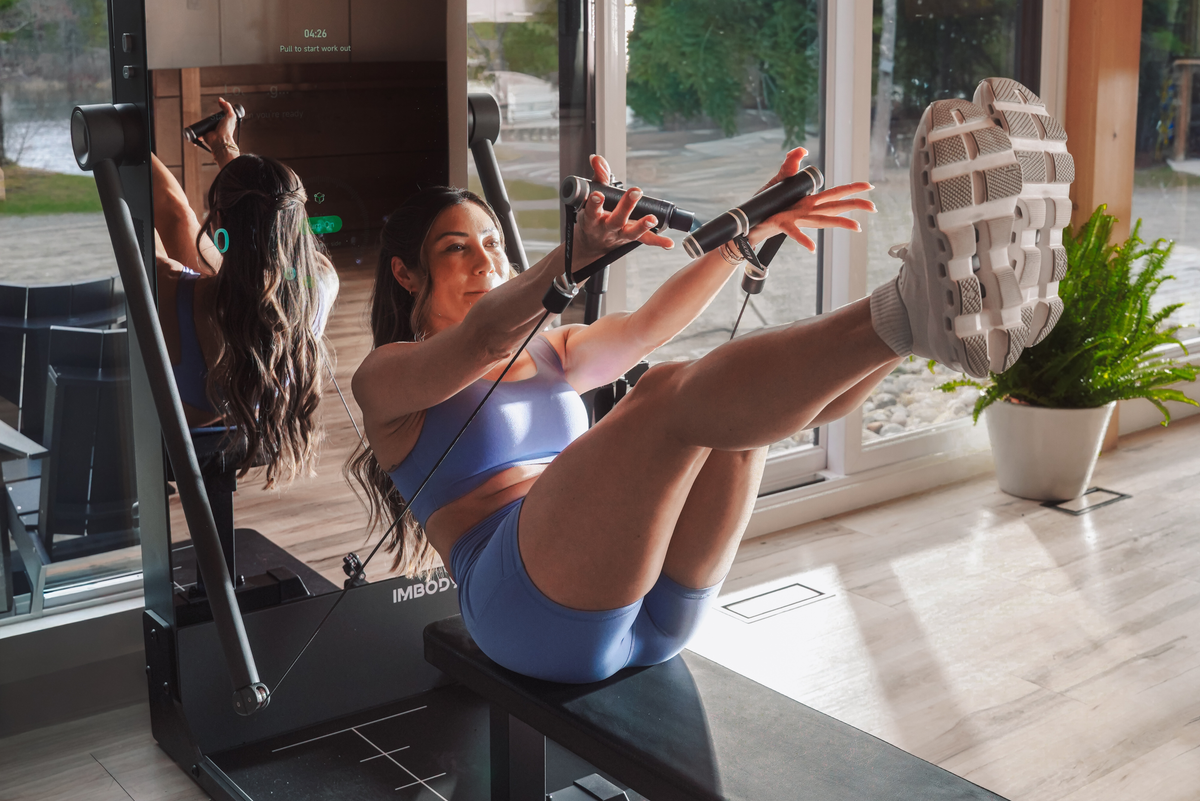
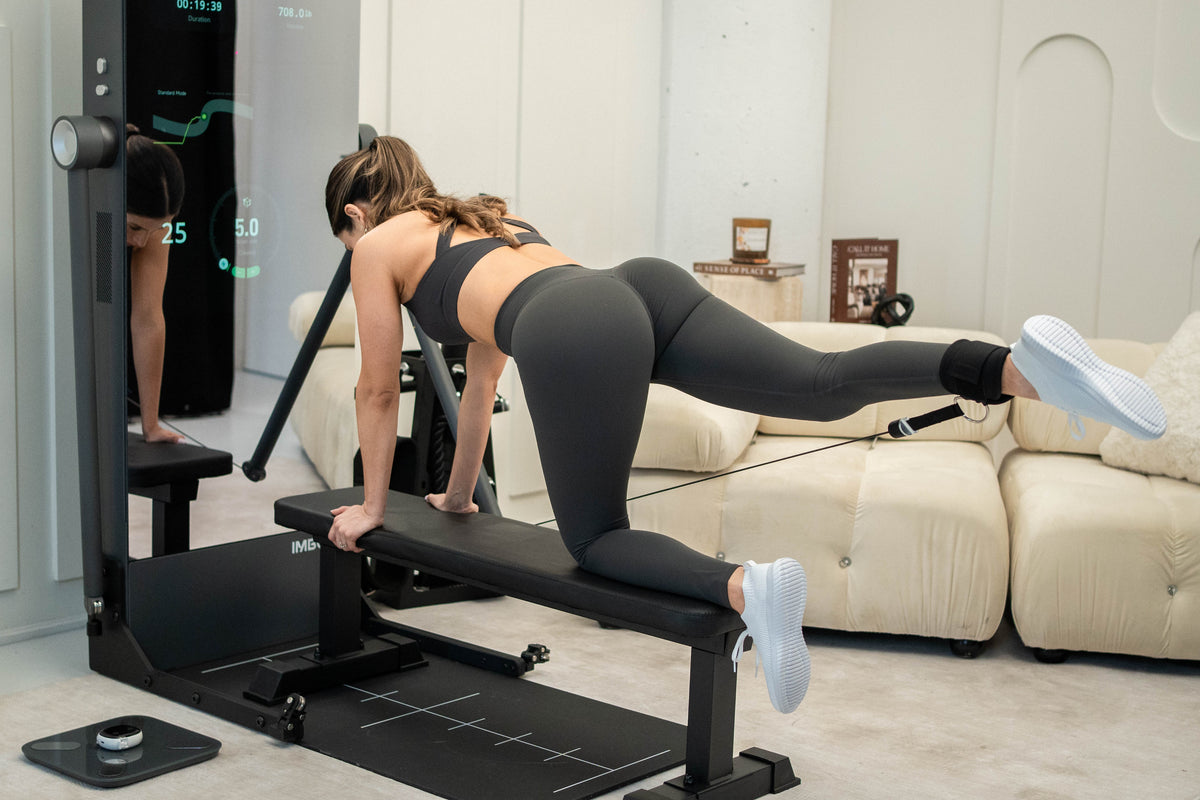
Paired with IMBODY Power S, it helps users create a more complete full-body workout experience at home.

Instead of needing a separate rowing machine, users can add rowing-style movement to a connected smart fitness system that also supports digital resistance training, guided workouts, and progress tracking.
This gives users more variety while keeping the setup clean, intentional, and home-friendly.
Why Variety Helps Consistency
Consistency does not mean doing the same workout every day.
It means having enough structure and variety to keep movement sustainable over time.
Adding rowing-style training can help users create a more balanced routine by combining strength, conditioning, and full-body coordination.
For people who want fitness to feel less repetitive, rowing can add a different rhythm to the week without requiring a complicated new system.
Rowing and the Future of Smart Home Fitness
Modern home fitness is moving away from single-purpose equipment and toward connected systems that support multiple ways to train.
Rowing-style training fits naturally into this future because it gives users a full-body movement pattern that can be guided, tracked, and repeated over time.
When combined with smart fitness technology, rowing becomes more than just a cardio option. It becomes part of a broader training ecosystem that supports strength, endurance, progress tracking, and long-term consistency.
Final Thoughts
Rowing remains one of the most efficient full-body workouts because it brings multiple benefits into one coordinated movement.
It can support strength, conditioning, posture, core engagement, and workout variety — all within a home-friendly format.
With the Rowing Chair Package and IMBODY Power S, users can bring rowing-style training into a smarter, more connected home fitness routine.
The value is not only doing more in less time.
It is creating a movement option that feels efficient, repeatable, and easier to live with.
Explore the Rowing Chair Package
Add rowing-style movement to your IMBODY setup with a compact package designed to support full-body training at home.
Explore IMBODY Power S
Discover a smart home fitness system designed to support digital resistance training, guided movement, and connected progress tracking.

Share:
Can a Smart Home Gym Replace Multiple Pieces of Equipment?
What Is an AI Personal Trainer — And What Should It Actually Do?