


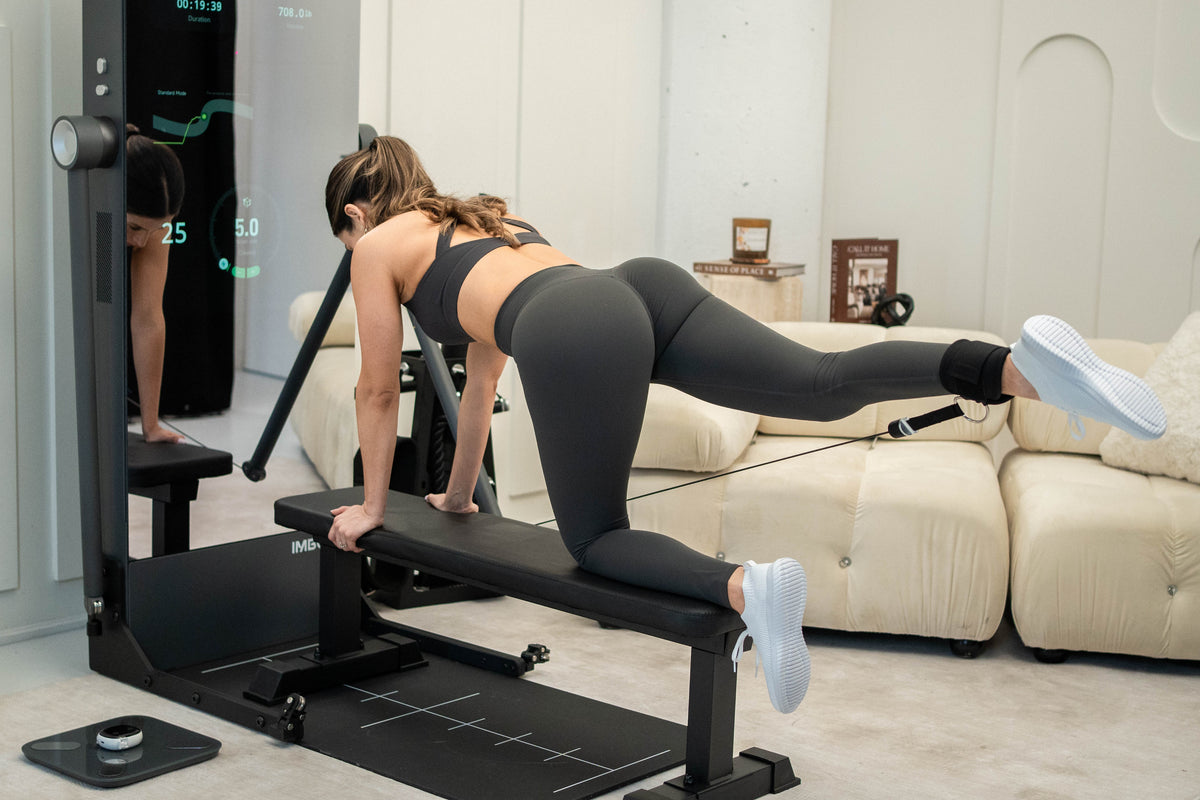
Core training is often associated with one goal: visible abs.
But the core has a much bigger role than appearance.
It helps stabilize the body, transfer force between the upper and lower body, support balance, and create control during everyday movement. Whether you're standing up, carrying something, rotating, pushing, pulling, or moving through a workout, the core is involved.
At IMBODY, core strength is part of a broader idea of functional fitness: building strength that helps the body move with more control in everyday life.
What Does “Core Strength” Actually Mean?
The core is more than the abdominal muscles at the front of the body.
It includes a broader group of muscles around the trunk that help stabilize the spine and pelvis while the arms and legs move.

That is why core training is useful across so many different types of movement.
A strong core can contribute to:
- Postural control
- Balance and stability
- More controlled lifting and carrying
- Efficient force transfer during pushing and pulling
- Better coordination between the upper and lower body
Seen this way, core training is not about isolating one area.
It is about helping the body work together.
Why Core Strength Matters in Everyday Life
Core stability shows up in ordinary activities more often than most people realize.
When you stand up from a chair, your trunk helps stabilize the movement. When you carry groceries, the core helps resist unwanted rotation. When you reach overhead or bend to pick something up, the trunk helps control your position.
Even walking requires the body to manage rotation and maintain balance as the arms and legs move.
This is why IMBODY approaches core training as part of everyday strength rather than a purely aesthetic goal.
The value of core strength becomes clearer when it helps movement feel more controlled outside the workout.
Core Strength and Balance Work Together
Balance is not simply about standing on one leg.
It depends on how the body controls its position while responding to movement and changes in direction.
The core plays an important role in that process by helping stabilize the center of the body while the limbs move around it.
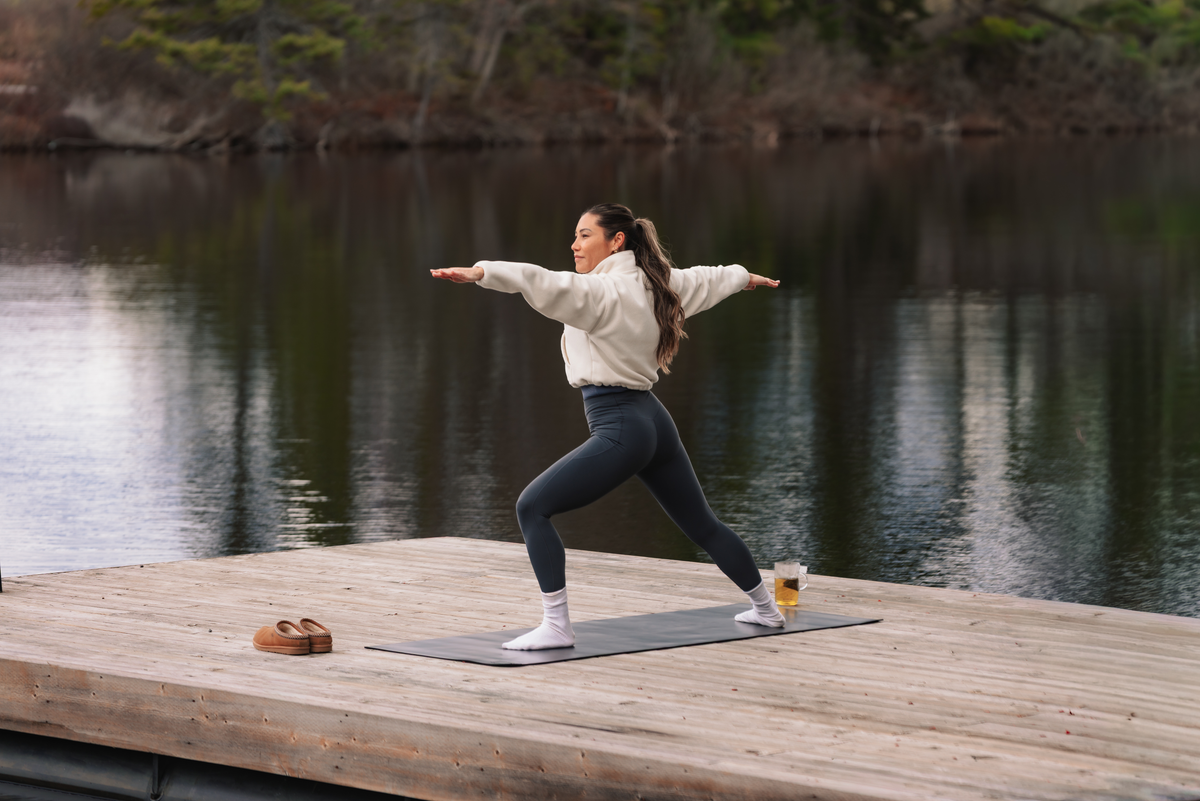
The American College of Sports Medicine reflects this connection in its 2026 fitness trends, where Balance, Flow and Core Strength ranks #5.
ACSM notes that these approaches can support posture, mobility, core control, and overall movement quality.
That makes core training especially relevant to a balanced fitness routine—not just an isolated “abs day.”
Core Training Should Include More Than Crunches
Crunches can train part of the abdominal musculature, but a complete core routine can include many different types of movement.

The core may need to:
- Resist rotation
- Control rotation
- Stabilize during pushing and pulling
- Maintain posture while carrying resistance
- Support the trunk during lower-body movements
That means core training can appear throughout a strength workout rather than existing only as a separate section at the end.
For example, a standing press, row, squat, or unilateral movement can all require the trunk to stabilize while other parts of the body create motion.
Why Functional Core Training Fits Home Fitness
Core training does not require a room filled with specialized equipment.
Many useful core-focused movements can be integrated into full-body strength training.
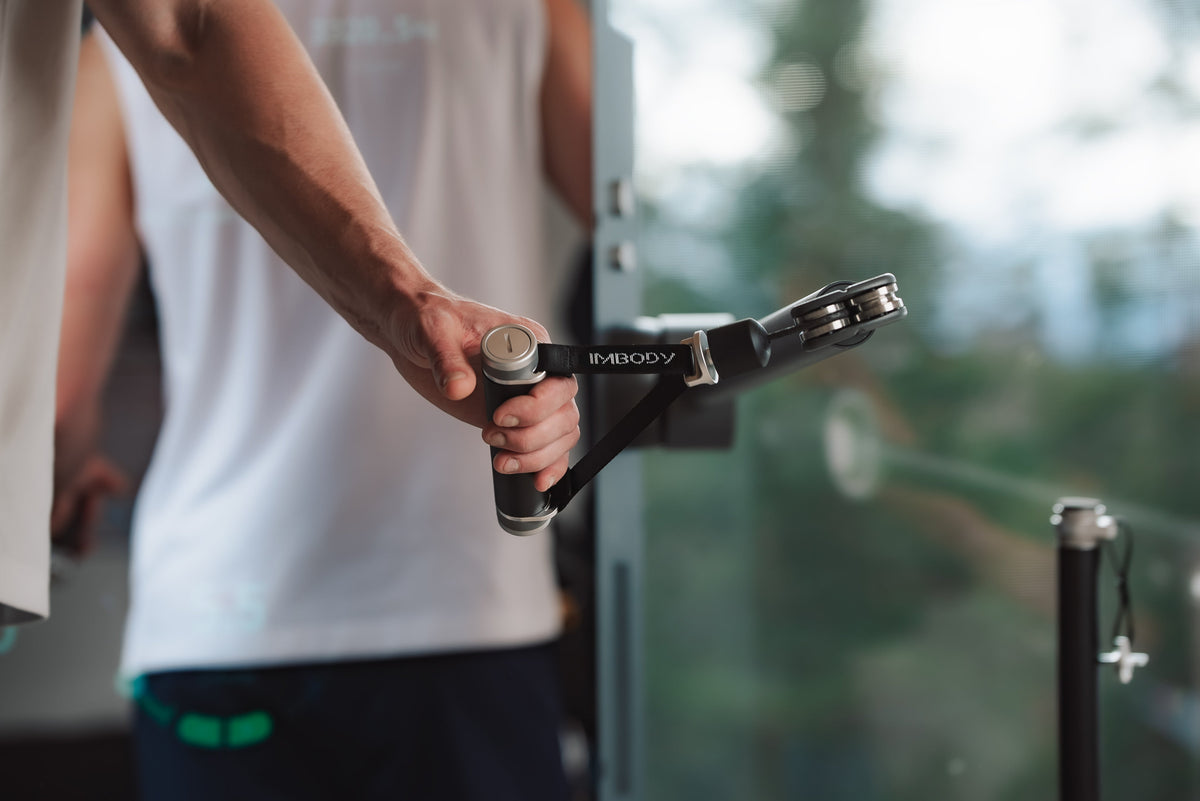
With IMBODY Power S, adjustable smart arms and digital resistance allow users to train from different positions and angles, creating opportunities for movements that challenge both strength and stability.
This can include pushing, pulling, rotational, and anti-rotational patterns depending on the workout.
For IMBODY, the goal is not to add more equipment for core training. It is to make core engagement part of a more complete movement experience.
Resistance Should Match the Movement
Core training does not need to use heavy resistance to be meaningful.
The appropriate load depends on the exercise, the user's experience, and the purpose of the movement.
IMBODY Power S supports resistance adjustments in precise 0.5 kg increments, making it easier to choose a lighter or more controlled resistance when the goal is stability, balance, or movement quality rather than maximum load.
This matters because not every useful training stimulus needs to feel intense.
Sometimes better control is the more important goal.
Core Strength Supports Better Pushing and Pulling
Pushing and pulling movements are often thought of as upper-body exercises.
But the trunk plays an important supporting role.
When the body pushes or pulls against resistance, the core helps maintain position and transfer force efficiently.
This is especially noticeable in standing exercises, where the body has to manage resistance without the support of a machine seat or backrest.
IMBODY Power S supports different standing and supported movement positions through adjustable smart arms, allowing core control to become part of broader strength training.
Core Training Can Support Better Movement Quality
Movement quality depends on more than strength alone.
Control, coordination, balance, and mobility all work together.
ACSM's 2026 trends highlight this broader perspective, noting the growing interest in core strength, balance, flow, posture, and mobility as parts of a balanced fitness regimen.
That reflects a larger shift in fitness: users are increasingly interested in how well the body moves, not only how much it can lift.
This is closely aligned with the IMBODY approach to strength training—build useful strength, maintain control, and support movement that fits everyday life.
Guidance Can Help Core Training Feel More Purposeful
One challenge with core training is knowing which movements to choose.

There are hundreds of exercises online, but more choice does not always create a better routine.
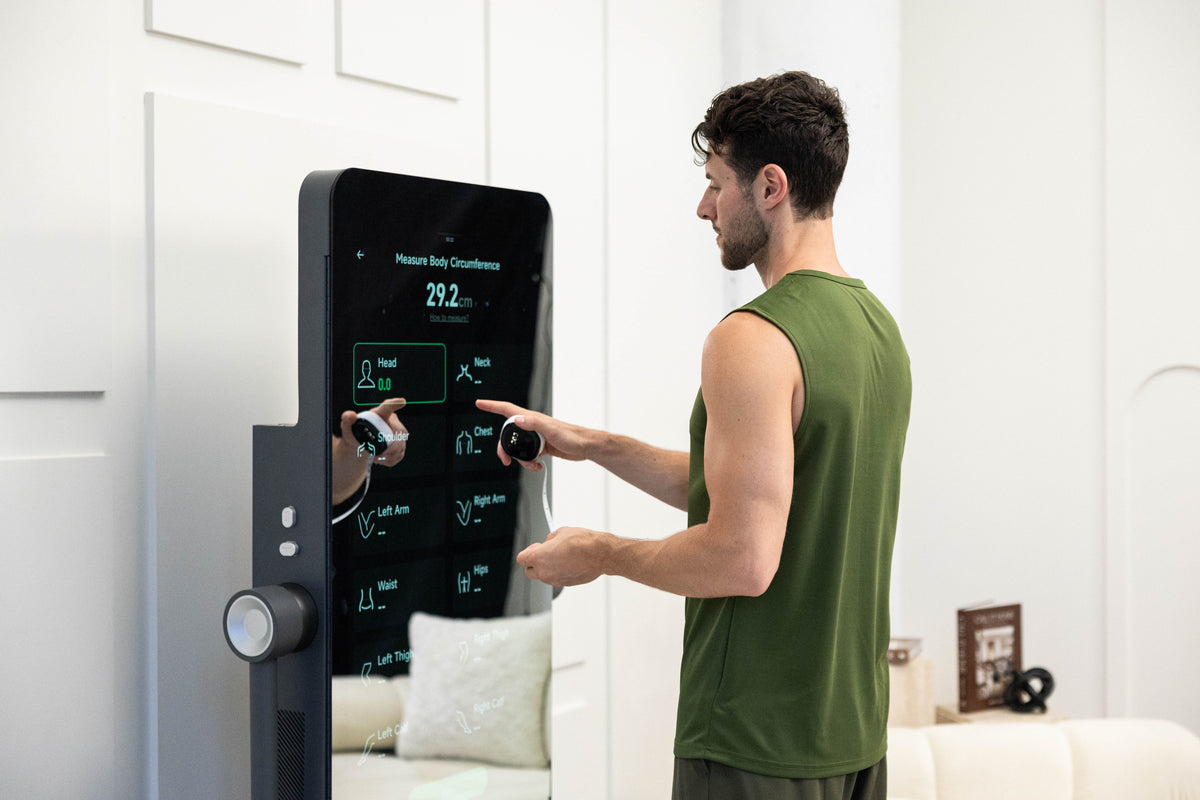
Through the IAC® intelligent training system, IMBODY can provide workout recommendations based on information such as the user's assessment, goals, and training history.
This helps place core-focused movements within a broader training plan rather than asking users to build every session from scratch.
The goal is not to make core training more complicated.
It is to make it more relevant.
Core Strength Is One Part of a Balanced Routine
Core strength matters, but it should not replace everything else.
A balanced routine can also include:
- Lower-body strength
- Upper-body pushing and pulling
- Mobility work
- Balance and coordination
- Recovery and lighter movement
The body works as a system, so training should reflect that.
Core work is most useful when it supports the rest of the routine rather than becoming the entire routine.
Think Beyond the Mirror
Visible abs may be one aesthetic outcome some people care about, but appearance is not the only reason to train the core.
A stronger, more controlled trunk can support many of the movements that matter throughout daily life.
It can help the body feel more stable when lifting, carrying, reaching, and changing position.
That makes core training less about what the body looks like and more about what the body can do.
Final Thoughts
Core strength matters because it supports stability, balance, posture, and movement control across both workouts and everyday life.
It is not simply about building abs.
It is about helping the body work together more effectively.
With precise digital resistance, adjustable smart arms, versatile movement options, and intelligent workout guidance, IMBODY Power S can support core-focused training as part of a broader home strength routine.
For IMBODY, core training is most valuable when it helps users move with greater control—not when it is reduced to a single aesthetic goal.
Explore IMBODY Power S
Discover how IMBODY Power S combines digital resistance, versatile movement options, and intelligent workout guidance to support core strength and full-body training at home.
Reference
American College of Sports Medicine — Worldwide Fitness Trends
Share:
Home Gym vs Gym Membership: Which Fits Your Routine Better?
How to Build a 3-Day Strength Routine at Home