


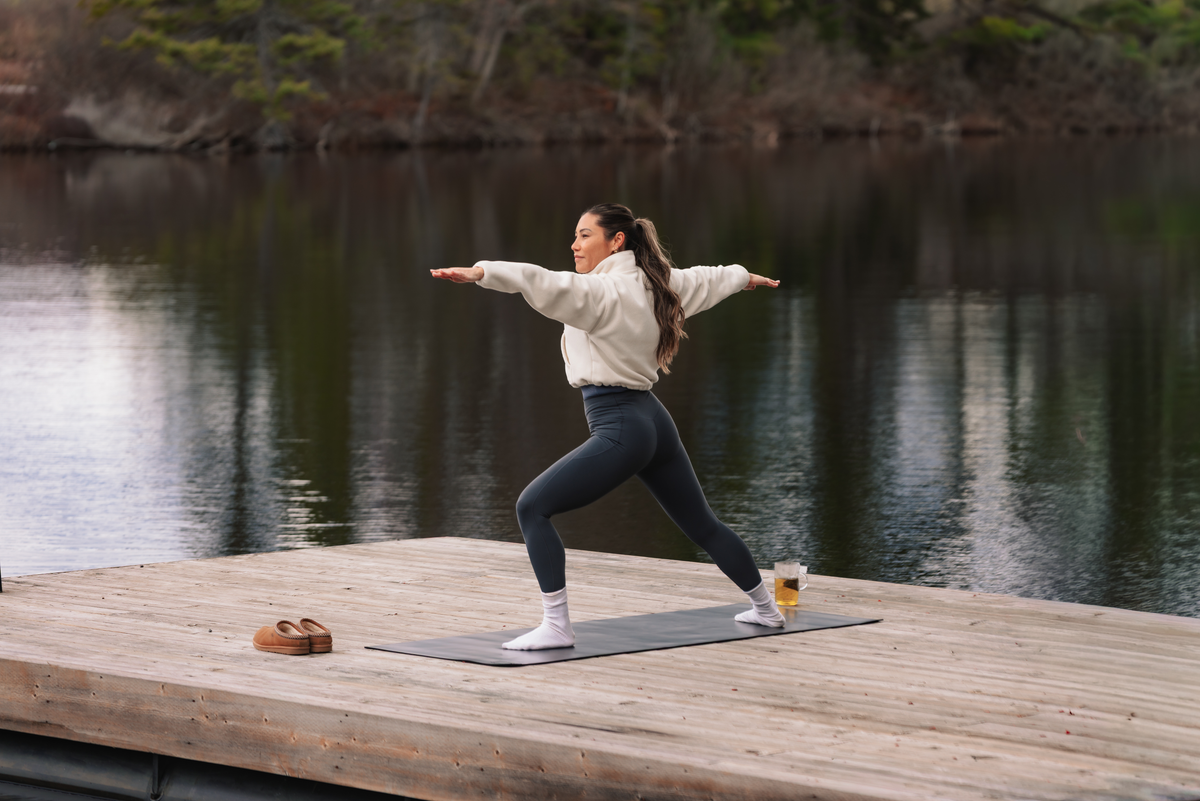
When fitness becomes part of your routine, it can be tempting to think that progress only happens on the days you work out.
More sessions must mean more progress. More effort must mean better results. A day without structured exercise can start to feel like a day lost.
But training is only one part of the process.
Recovery gives the body time between challenging sessions and creates space for a sustainable routine to continue. Rest, sleep, hydration, nutrition, and lighter movement all have a place alongside strength training.
At IMBODY, this fits naturally with a consistency-first approach to fitness: progress is not about doing the most every day. It is about creating a rhythm you can keep returning to.
Recovery Is Part of Training
A workout creates a training stimulus. What happens afterward matters too.

An American College of Sports Medicine article on recovery for active adults over 50 describes recovery as an active process that happens after exercise and emphasizes the importance of balancing training with recovery.
The article highlights several parts of that process, including:
- Quality sleep
- Nutrition
- Hydration
- Active recovery
- True rest days when appropriate
The larger idea is useful beyond any single workout: fitness is not only about applying challenge. It is also about leaving enough space between challenges to keep moving well and consistently.
A Recovery Day Is Not a Missed Workout
One of the easiest ways to misunderstand recovery is to treat every day without a hard workout as lost time.
But a rest day has a different purpose from a training day.
It can create room for fatigue to settle, for the body to recover from previous sessions, and for the next workout to feel more manageable.
That makes recovery part of the weekly plan rather than something that happens only when the plan goes wrong.
For IMBODY, sustainable fitness means creating room for both effort and recovery instead of expecting every day to operate at the same intensity.
More Is Not Automatically Better
Consistency and volume are not the same thing.
Training more frequently can be useful in the right context, but adding sessions simply because an empty day feels unproductive can make a routine harder to sustain.
A better question is:
Does this amount of training fit my current schedule, energy, experience, and ability to recover?
Some weeks may naturally contain more activity. Others may need more space.
A sustainable routine can adjust without treating every change as a failure.
Active Recovery Can Still Include Movement
Recovery does not always mean spending the entire day completely inactive.

The ACSM recovery article describes active recovery as lower-impact activity that encourages movement without adding excessive strain after demanding training.
Depending on the individual, that might include activities such as:
- A relaxed walk
- Gentle mobility work
- Light stretching
- Yoga
- Balance-focused movement
- Other comfortable recreational activity
The purpose is different from a hard training session.
An active recovery day does not need a performance target. It can simply create an opportunity to move at a lower intensity.
Not Every Day Needs the Same Intensity
One reason sustainable fitness routines work is that they allow training days to have different purposes.
A challenging strength session may be followed by a lighter day. A busy week may call for shorter workouts. A day with lower energy may need a different approach from a day when training feels easy.
This creates a more flexible relationship with fitness.
Instead of asking, “Did I train hard enough today?” you can ask, “What kind of movement fits today?”
That shift is closely aligned with the IMBODY philosophy of fitness that fits real life.
Recovery Starts Outside the Workout
Recovery is broader than what happens during a rest day.
The ACSM article emphasizes sleep, hydration, and nutrition alongside active recovery.
These factors are part of the larger lifestyle surrounding training.
A perfectly planned workout schedule cannot exist separately from the rest of the day. Work demands, sleep, meals, stress, travel, and daily responsibilities all influence how training fits into life.
This is another reason fitness routines should leave room for flexibility rather than assuming every week will look exactly the same.
Sleep Belongs in the Fitness Conversation
Workout plans often focus on exercises, repetitions, resistance, and frequency.
Sleep receives less attention, even though the ACSM recovery article identifies quality sleep as an important part of physical restoration after training.
From a lifestyle perspective, this matters because adding another late workout is not always the only way to support your fitness routine.
Sometimes protecting time for rest can be part of the routine too.
This does not mean fitness has to become another source of sleep tracking or optimization pressure.
It simply means the hours outside the workout matter as well.
A Good Routine Leaves Room to Recover
When planning a strength routine, it can help to think about the entire week rather than isolated workouts.

For example, a three-day strength schedule might look like:
- Monday: Full-body strength training
- Tuesday: Lighter movement or recovery
- Wednesday: Full-body strength training
- Thursday: Rest or mobility-focused movement
- Friday: Full-body strength training
- Weekend: Flexible activity, recreation, or recovery
This is only an example, not a universal prescription.
The useful principle is that hard sessions do not need to fill every available day for the week to count as productive.
Recovery Can Help Protect Consistency
One of the biggest risks of an all-or-nothing fitness mindset is that it can make routines difficult to sustain.
If every workout has to be hard, long, and highly structured, the threshold for starting becomes higher.
Recovery days create another rhythm.
They allow demanding sessions to exist within a larger routine that also includes lighter movement and rest.
This can make fitness feel less like a continuous test and more like something designed to continue over months and years.
For IMBODY, that long-term consistency matters more than trying to maximize every individual day.
Use Training Data as Context — Not Pressure
Connected fitness can make it easy to see workouts, training history, and progress over time.
That information can be useful, but more data should not create pressure to fill every blank day.
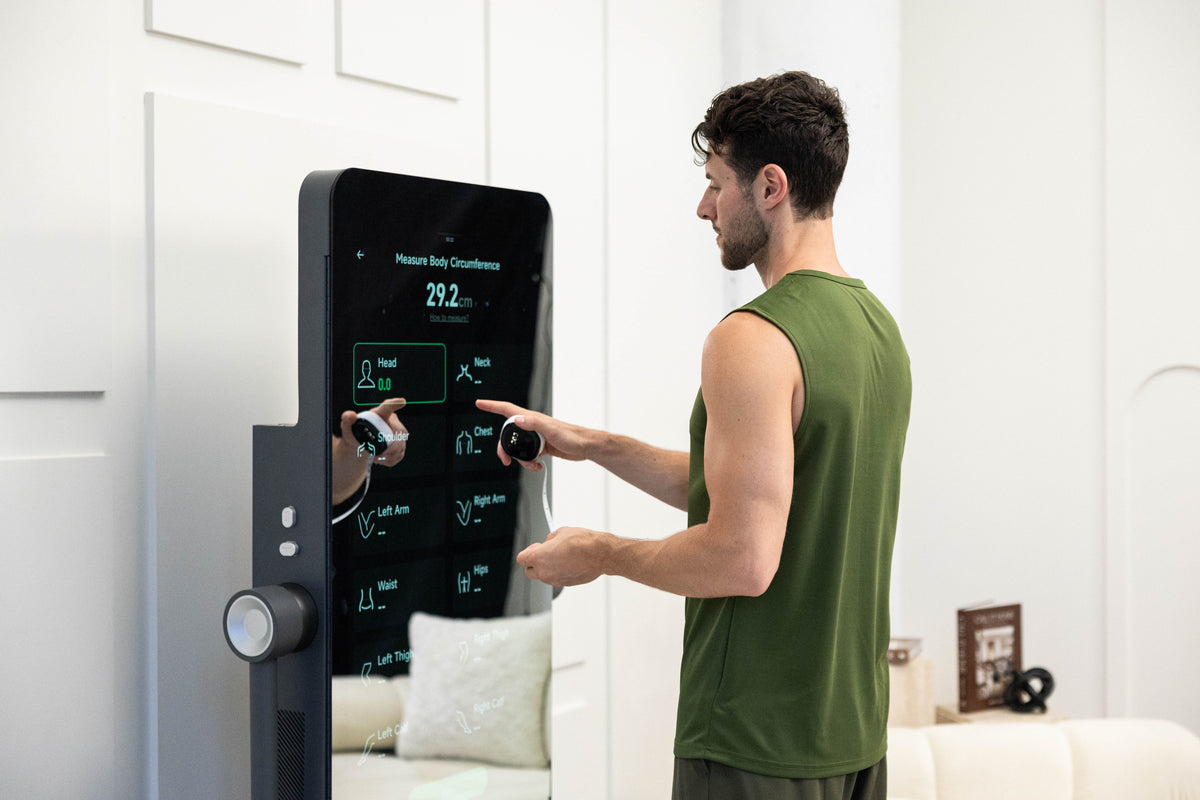
Within the IMBODY experience, workout history and progress tracking are most useful when they provide context for the overall training journey.
A lighter day or recovery day does not erase the work that came before it.
The purpose of tracking should be to help users understand their routine—not judge them for taking time away from structured training.
Power S Can Support Different Kinds of Training Days
A connected home fitness system can also make it easier to adjust the training experience from day to day.
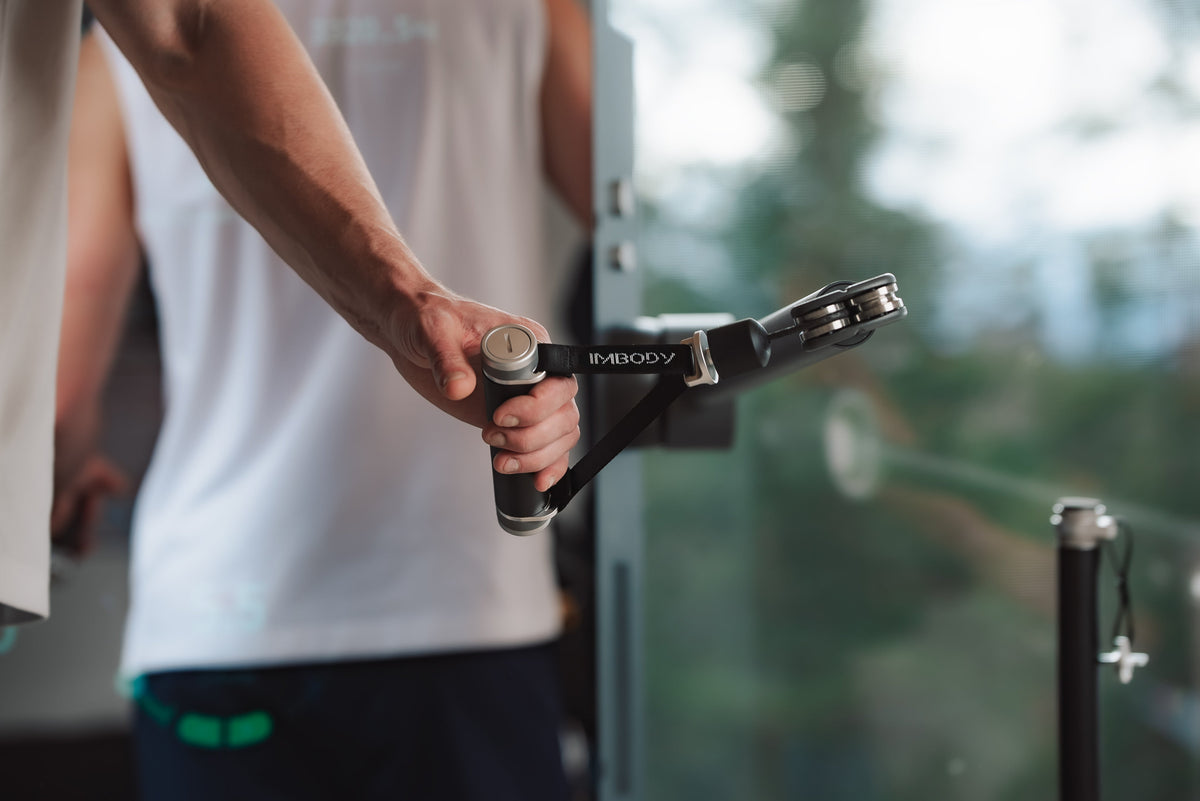
IMBODY Power S provides precise digital resistance adjustments in 0.5 kg increments, allowing resistance to be matched more closely to the movement and the purpose of the session.
Not every session needs to use the same resistance or follow the same level of challenge.
Users can approach demanding strength sessions differently from lighter, movement-focused days.
Through the IAC® intelligent training system, IMBODY also provides structured workout guidance based on factors such as the user's assessment, goals, and training history, reducing the need to build every session manually.
Recovery Is Personal Too
There is no single recovery schedule that fits everyone.
How much recovery someone needs can vary with training intensity, activity level, experience, schedule, and other individual factors.
The ACSM source used for this article specifically discusses active adults over 50 and notes that recovery needs can change with age.
That is why its specific recommendations should not be treated as a universal formula for every person.
The broader principle is more useful: pay attention to the balance between training and recovery rather than assuming more training is always better.
Learn to See the Week as a Whole
One challenging workout does not define your fitness.
Neither does one recovery day.
What matters more is the pattern created over time.
A week can include strength training, walking, mobility, recreation, demanding days, lighter days, and complete rest.
Together, those choices can form a routine that is more realistic than expecting the body—and your schedule—to perform at the same level every day.
Progress Does Not Always Look Like More
Fitness progress is often presented as addition:
More weight. More workouts. More repetitions. More activity.
But sustainable progress can sometimes mean becoming better at choosing what the day actually needs.
It may mean completing a challenging workout when you feel ready.
It may also mean allowing a lighter day to stay light instead of turning it into another hard session.
That is not stepping away from your routine.
It is learning how different parts of the routine work together.
Final Thoughts
Recovery days are not empty spaces between workouts.
They are part of the larger rhythm that makes consistent training possible.
ACSM's recovery guidance highlights the importance of balancing exercise with sleep, hydration, nutrition, active recovery, and appropriate rest. The specific needs will vary from person to person, but the principle is simple: training and recovery belong in the same conversation.
With flexible digital resistance, intelligent workout guidance, and connected training history, IMBODY Power S can support a fitness routine that changes with the day rather than demanding the same effort every time.
For IMBODY, sustainable fitness is not about doing more whenever possible.
It is about finding a rhythm of movement, challenge, and recovery that you can keep coming back to.
Explore IMBODY Power S
Discover how IMBODY Power S combines intelligent workout guidance, precise digital resistance, and connected fitness to support a more flexible approach to everyday training.
Reference
American College of Sports Medicine — Recovery That Keeps You in the Game

Share:
How to Build a 3-Day Strength Routine at Home