


Strength and mobility are often treated as separate parts of fitness.
One helps you produce force. The other helps you move comfortably through different positions.
But in everyday life, they work together.
Reaching, bending, standing, carrying, rotating, and moving through a full range of motion all depend on a combination of strength, control, and mobility. A balanced fitness routine should support all three rather than focusing on only one.
At IMBODY, this is part of a broader approach to modern fitness: movement should help the body feel capable, controlled, and ready for everyday life.
Strength and Mobility Are Different—but Connected
Strength refers to the body's ability to produce and control force.

Mobility refers to the ability to move through a useful range of motion with control.
They are not interchangeable.
A person can be strong but limited in certain movement ranges. Another person may be flexible but lack the strength or control to feel stable within those positions.
A balanced routine brings both qualities together.
Instead of asking only, “How much can I lift?” it also asks, “How well can I move while doing it?”
Why Mobility Matters in Strength Training
Strength exercises happen through movement.
A squat requires the hips, knees, and ankles to move through coordinated positions. A press requires shoulder mobility and control. Pulling movements depend on how the shoulders, upper back, and arms work together.
When mobility is limited, users may compensate by changing how the movement is performed.
This is why mobility should not be viewed only as something to do before or after a workout. It can be part of how the body performs strength training itself.
For IMBODY, better movement quality supports a more thoughtful approach to training—one built around control rather than simply adding more resistance.
Core Strength Connects the Two
Core strength plays an important role in both strength and mobility.

The core helps stabilize the body while the arms and legs create movement. It supports control when changing positions, lifting, rotating, pushing, or pulling.
This is one reason the American College of Sports Medicine groups balance, flow, and core strength together in its 2026 fitness trends.
ACSM notes that these formats can support posture, mobility, and core control while contributing to better overall movement quality.
That makes core training more than an aesthetic goal.
It becomes part of how the body organizes movement.
Mobility Does Not Mean Extreme Flexibility
Mobility training is sometimes associated with advanced stretching or trying to reach extreme positions.
But for everyday fitness, mobility can be much simpler.
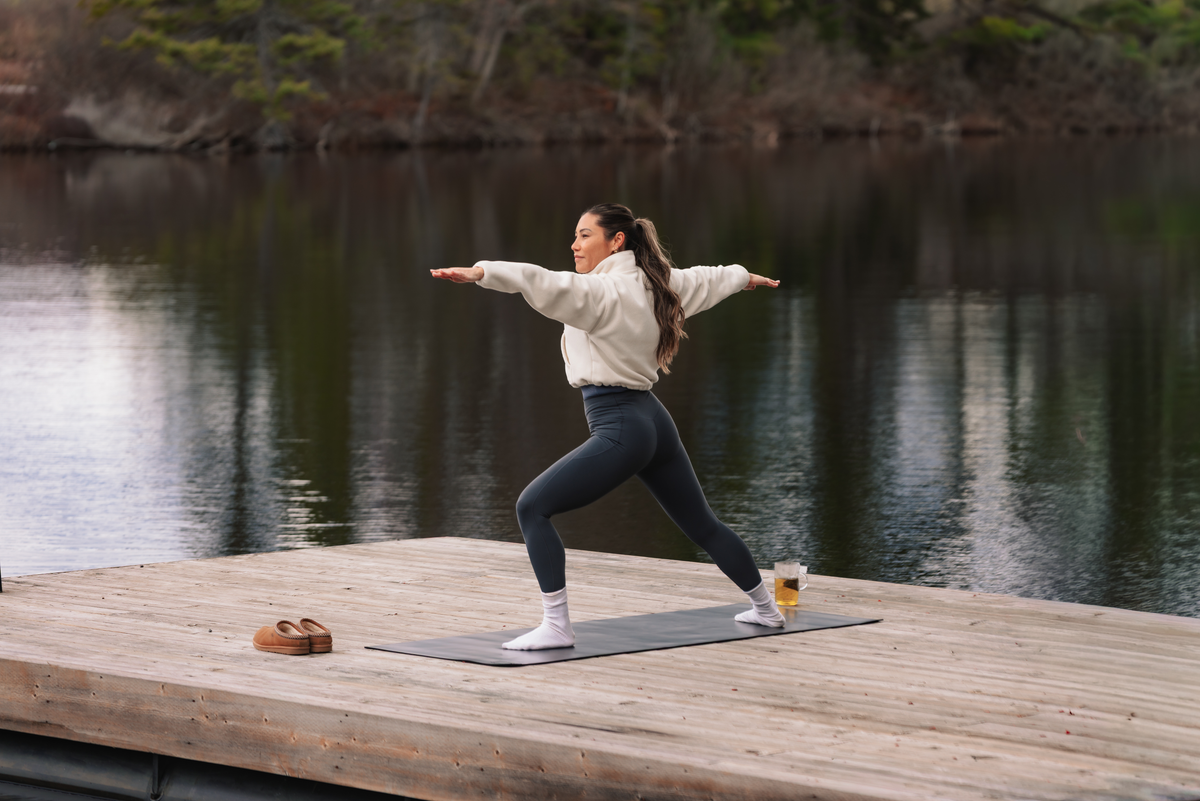
It can mean maintaining enough comfortable range of motion to move well through the activities and exercises that matter to you.
That might include:
- Moving comfortably into a squat
- Reaching overhead with control
- Rotating through the upper body
- Moving the hips through different positions
- Maintaining balance while changing direction
The goal is not to become more flexible for its own sake.
The goal is to support useful movement.
Strength Gives Mobility More Control
Mobility becomes more useful when the body can control the available range of motion.
This is where strength matters.
For example, moving into a deeper position is only useful if the body can remain stable and controlled while doing it.
Strength training helps provide that support.
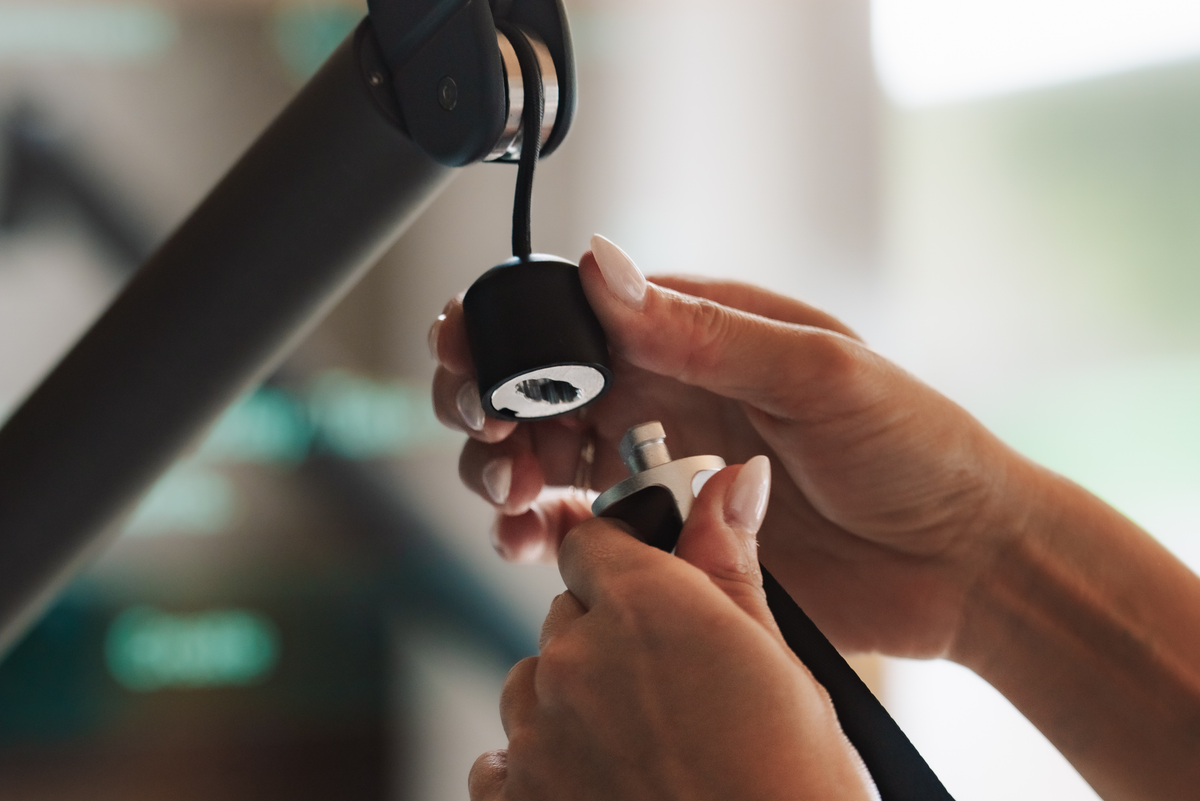
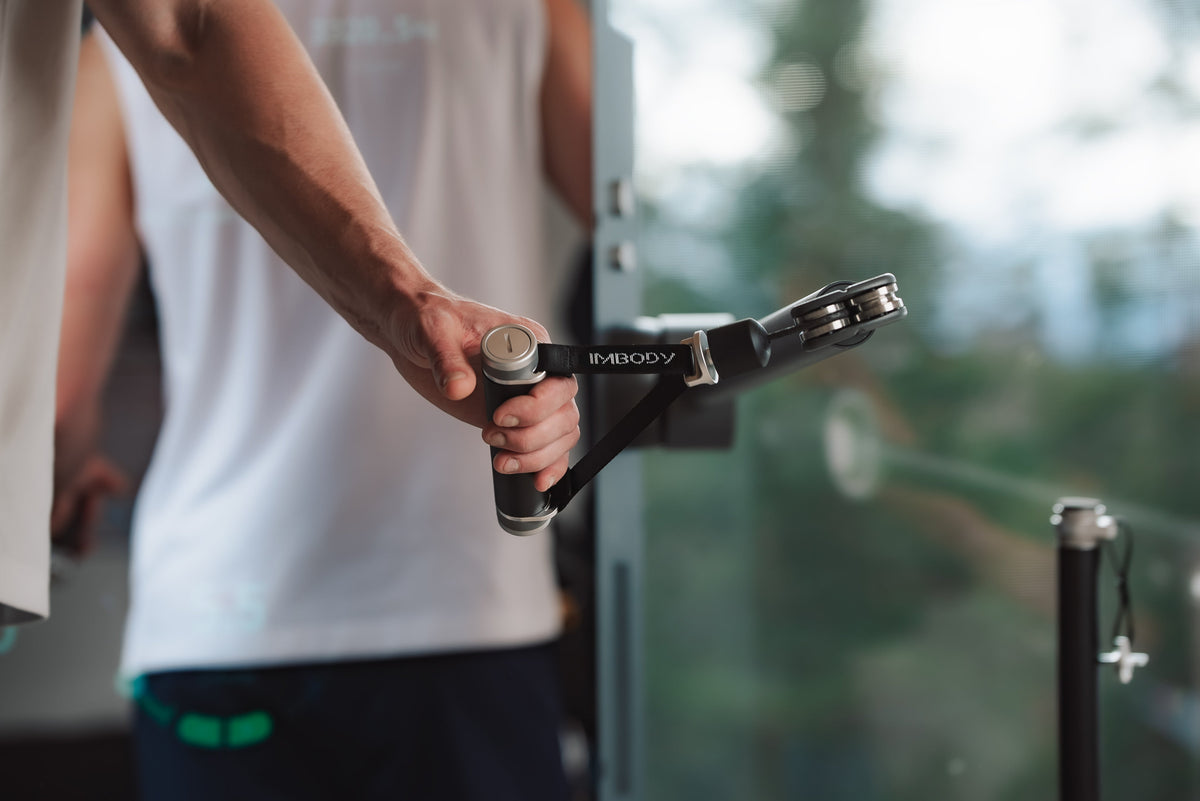
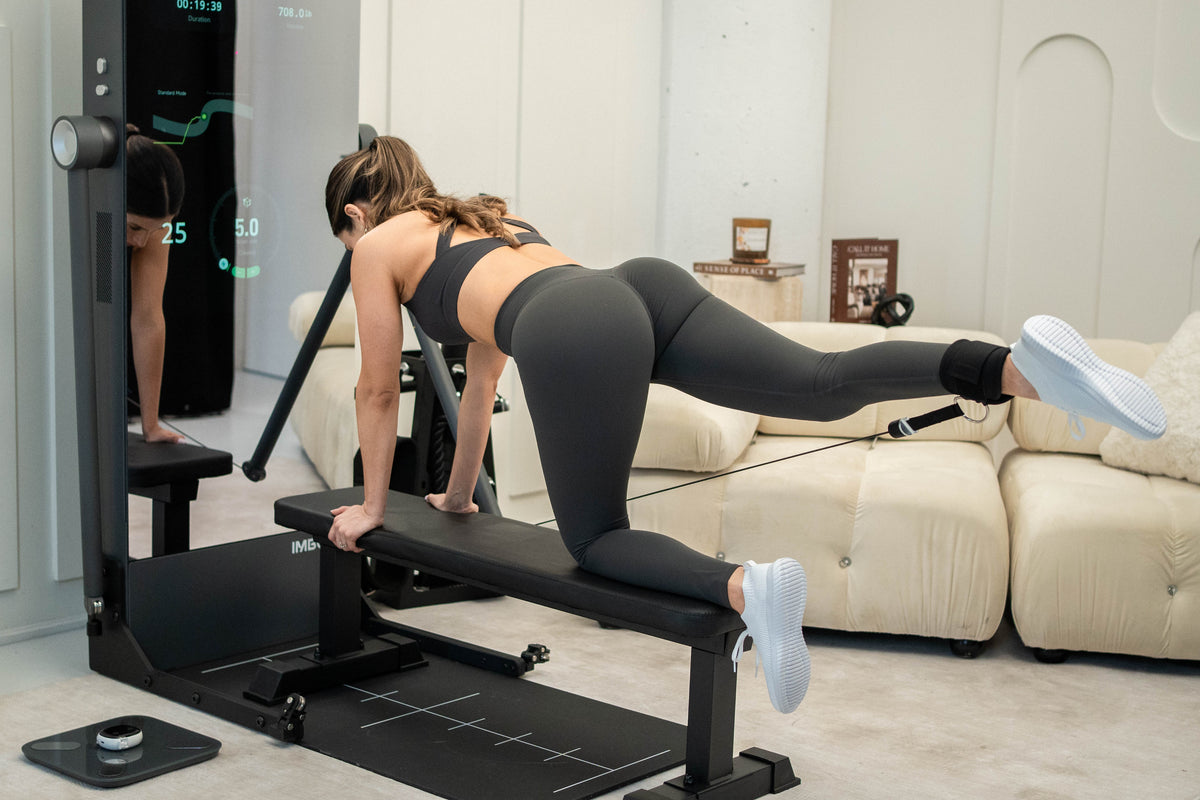
With IMBODY Power S, users can train through different positions using adjustable smart arms and digital resistance, making it possible to explore a wider range of movement patterns within one home fitness system.
For IMBODY, strength and mobility are not competing goals. They are complementary parts of moving well.
Different Movements Need Different Resistance
A balanced routine does not use the same resistance for every exercise.
A lower-body strength movement may require more resistance than an exercise focused on shoulder control, core stability, or a smaller movement pattern.
IMBODY Power S allows resistance to be adjusted in precise 0.5 kg increments, helping users select a level that better matches each exercise.
This makes it easier to move between strength-focused exercises and lighter control-focused movements without being forced into large changes in resistance.
Precision matters because not every useful training session needs to feel heavy.
A Balanced Routine Can Include Different Types of Movement
Strength and mobility do not need to exist in separate workouts.

A balanced home fitness routine can combine them within the same week—or even within the same session.
For example, a workout might include:
- A lower-body strength movement
- An upper-body push or pull
- A core stability exercise
- A controlled mobility movement
- A lighter movement focused on range and coordination
The exact structure depends on the user's goals, experience, and available time.
What matters is creating enough variety to support both strength and movement quality.
Guidance Can Help Create Better Balance
One challenge with building a balanced fitness routine is deciding how everything fits together.
Users may understand that strength, mobility, and core training are all useful—but still feel unsure about what to do on a particular day.
This is where the IAC® intelligent training system within IMBODY can help reduce planning friction.
Using information such as the user's assessment, goals, and training history, the system can provide personalized workout recommendations and a clearer structure for training.
The goal is not to ask users to become experts in programming.
It is to give them a more guided path so they can focus on moving.
Mobility Supports Everyday Movement Too
The benefits of mobility are not limited to workouts.
Everyday life requires movement through different positions.
Getting down to the floor. Reaching for something overhead. Turning to pick something up. Moving comfortably in and out of a chair.
These tasks depend on more than strength alone.
They also require enough mobility and control to move through the necessary range comfortably.
This is why IMBODY views balanced fitness as something that should support daily life, not just performance during a workout.
Balance and Control Matter Over Time
As fitness goals evolve, balance and movement control can become increasingly important.
ACSM's 2026 trends reflect growing interest in balance, flow, and core-focused formats as part of a broader shift toward holistic health and long-term movement quality.
This does not mean abandoning strength training.
It means broadening the definition of fitness.
A capable body should be able to create force, control movement, and move comfortably through useful ranges.
Those qualities work best together.
A Balanced Routine Does Not Need to Be Complicated
Adding mobility does not mean turning every workout into a long, complex session.
A few well-chosen movements can complement strength training without creating more friction.
The same is true for core work and balance.
The goal is not to add more tasks to the routine.
It is to create a routine that feels more complete.
For IMBODY, this means using technology and versatile training options to simplify the experience rather than overwhelm the user with choices.
Final Thoughts
Strength and mobility support different parts of fitness, but they work best together.
Strength helps the body create and control force. Mobility helps the body access useful movement ranges. Core strength and balance connect those qualities through better control.
A balanced fitness routine does not need to prioritize one at the expense of the other.
With precise digital resistance, adjustable smart arms, versatile movement options, and intelligent workout guidance, IMBODY Power S is designed to support a broader approach to home fitness.
For IMBODY, the goal is not simply to become stronger.
It is to build strength that moves well.
Explore IMBODY Power S
Discover how IMBODY Power S combines digital resistance, intelligent workout guidance, and versatile movement options to support a more balanced home fitness routine.
Share:
What Makes a Smart Home Gym Actually Smart?
Home Gym vs Gym Membership: Which Fits Your Routine Better?