


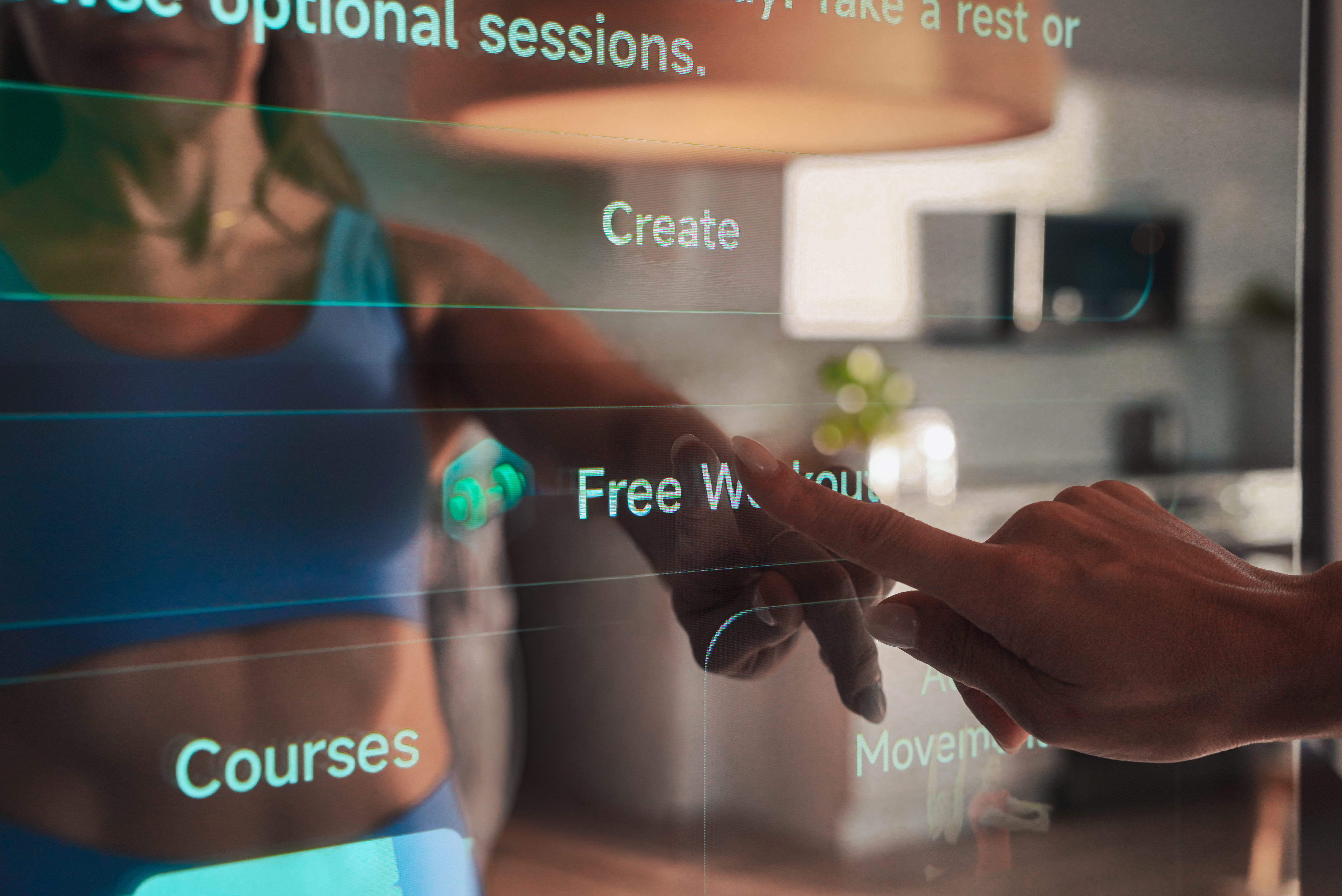
Fitness tracking should not make movement feel more stressful.
For many people, tracking can quickly become another source of pressure: more numbers to check, more goals to chase, more reminders that they are not doing enough.
But when fitness data is used thoughtfully, it can do something very different.
It can help users understand their body, recognize progress, and build a more consistent relationship with movement over time.
The goal is not to track everything. The goal is to track what helps you return.
Why Most Fitness Tracking Feels Overwhelming
Many fitness tools focus heavily on daily output.
Calories burned. Steps completed. Minutes trained. Streaks maintained. Scores compared.
These numbers can be useful in the right context, but they can also make fitness feel like another performance review.
For users who are busy, returning after a break, or trying to build a healthier rhythm, too much tracking can create pressure instead of clarity.
A better approach to fitness progress tracking should help users feel more grounded, not more judged.
Tracking Should Support Consistency
Consistency is built through repeatable actions, not perfect numbers.

That means fitness tracking should help answer practical questions:
- Am I building a routine I can maintain?
- How is my body responding over time?
- What kind of training fits my current energy and goals?
- Where am I making progress beyond a single session?
- How can I continue without overthinking?
When tracking supports these questions, it becomes less about pressure and more about guidance.
The Assessment → Training → Tracking Loop
At IMBODY, fitness data is most meaningful when it becomes part of a complete training loop.
This can be understood as:
- Assess — understand the user’s body data, fitness level, and starting point
- Train — follow guided workouts and intelligent training recommendations
- Track — review progress, training history, and body-data changes over time
- Adjust — refine future training based on the user’s progress and needs
This creates a more connected experience than tracking alone.
Instead of collecting data for the sake of data, the system uses progress information to support better training decisions and long-term consistency.
Why Body Data Matters
Progress does not always show up in obvious ways.
Some users may feel stronger before they see visible changes. Others may improve their consistency, posture, mobility, or workout confidence before a single number changes dramatically.
Body-data tracking can help users see progress across a broader picture.
Rather than relying only on short-term feelings or one isolated metric, connected fitness data can help users understand patterns over time.
This makes the fitness journey feel more visible and easier to continue.
How IMBODY Power S Connects Training and Progress
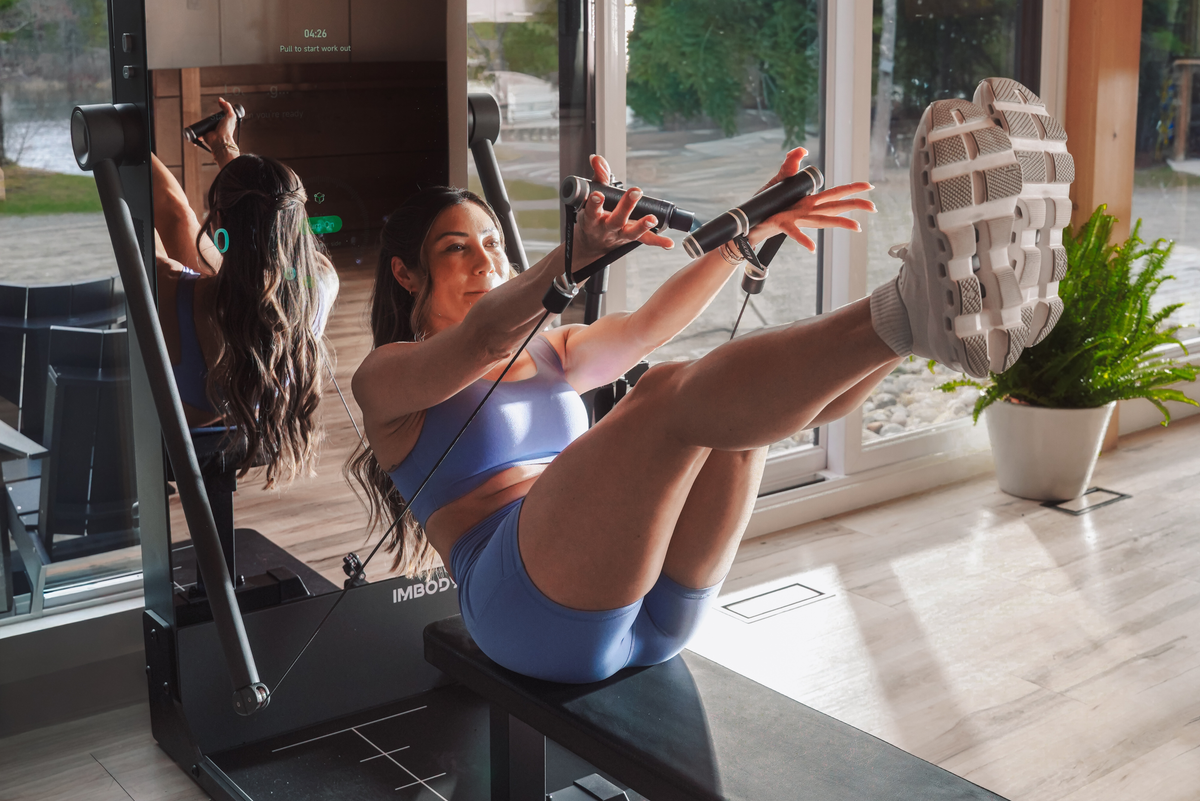
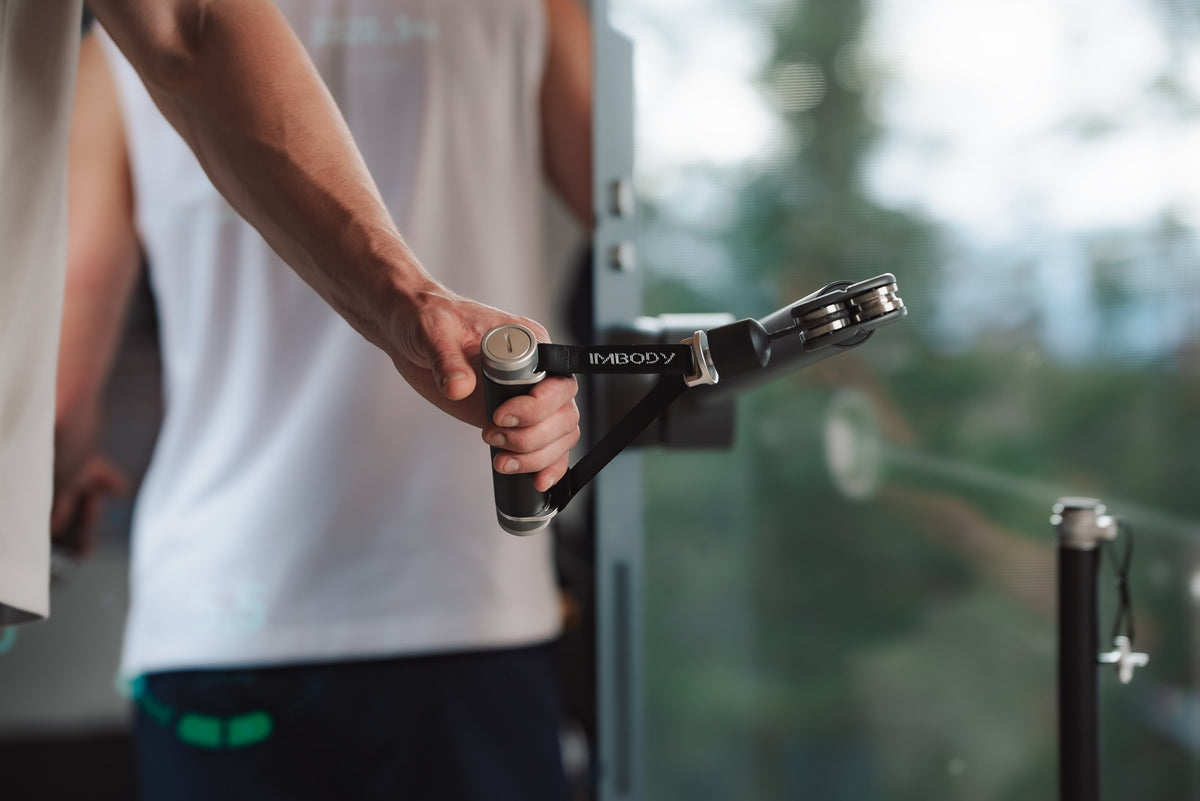
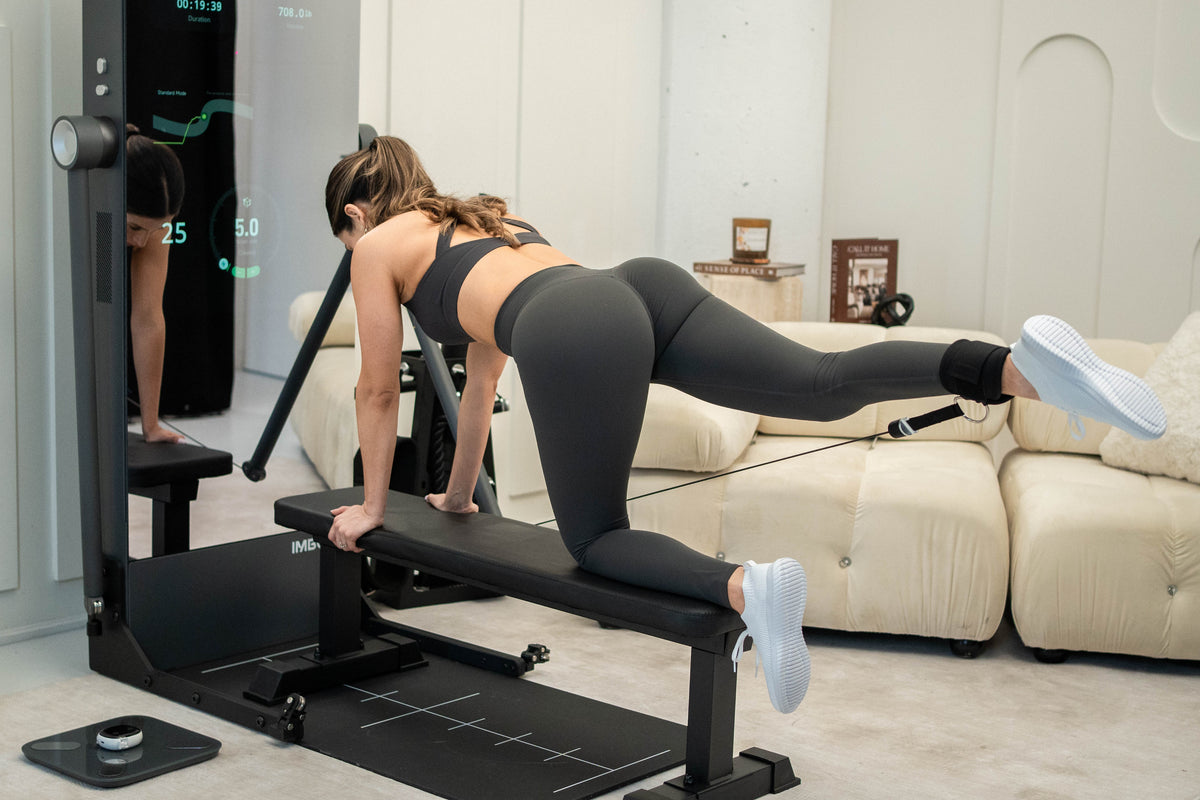
IMBODY Power S is designed to support a more connected approach to home fitness.

With AI-powered personalized training, guided workouts, digital resistance, and connected progress tracking, Power S helps users move from isolated workouts toward a more complete training rhythm.
Users are not left to guess what to do next. The system can help organize training around their goals, fitness level, body data, and workout history.
This is especially valuable for people who want consistency but do not want to manage every detail manually.
Tracking Without Pressure
Not every number needs to become a judgment.
A more refined approach to fitness tracking should help users feel supported, capable, and in control without pressure.
Instead of using data to push users harder every day, smart tracking can help users make better decisions:
- When to continue progressing
- When to choose a lighter session
- When to return after a break
- When to focus on consistency instead of intensity
- When to adjust training based on long-term patterns
This creates a calmer relationship with progress.
Why Feedback Loops Help Build Habits
People are more likely to continue habits when they can see that their actions matter.
When a workout is connected to progress insights, the user receives a clearer signal: the effort is part of a longer pattern.
This kind of feedback loop can support consistency because it turns small actions into visible progress.
A short session, a lighter day, or a return after a break can all become part of the bigger picture.
From Tracking Workouts to Understanding Progress
The future of fitness data is not simply more metrics.
It is better meaning.
Users do not need endless dashboards that create more pressure. They need thoughtful insights that help them understand their training, their body, and their rhythm over time.
That is what makes tracking useful: it helps connect daily movement with long-term wellbeing.
Final Thoughts
Fitness tracking should help users stay consistent, not make them feel behind.

When data is connected to assessment, training, progress, and adjustment, it becomes a supportive part of the fitness experience.
With IMBODY Power S, users can build a more connected home fitness routine — one where guided training and progress tracking work together to support long-term movement habits.
Fitness data should not create more pressure.
It should help make movement easier to understand, easier to return to, and easier to sustain.
Explore IMBODY Power S
Discover a smart home fitness system designed to support guided workouts, connected progress tracking, and a more consistent relationship with movement.

Share:
Why Home Fitness Is Moving Beyond Equipment
Training Alone? Why Smart Safety Features Matter at Home