


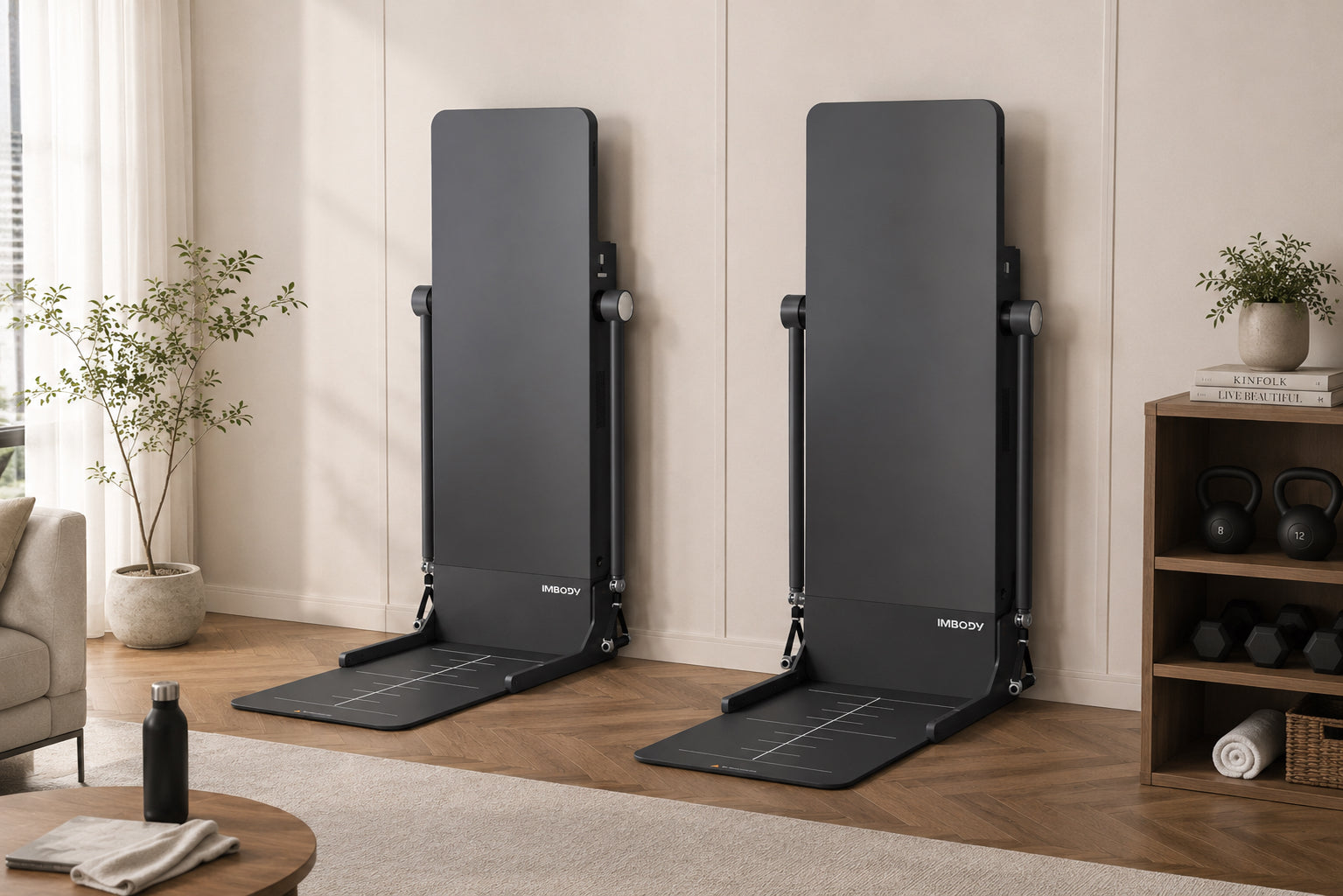
Home fitness used to be defined by equipment.
A treadmill in the corner. A rack of weights. A stationary bike. A machine that belonged to one purpose and one moment of the day.
But modern fitness is changing. For many users, the future of home fitness is no longer just about owning equipment. It is about building a connected fitness experience that supports daily movement, long-term wellbeing, and a more consistent relationship with health.
As wellness becomes more personalized and integrated into everyday life, smart fitness technology is moving beyond standalone machines and toward intelligent systems that can guide, track, adapt, and support users over time.
From Equipment to Ecosystem
Traditional home fitness equipment is often built around a single function. It helps users run, row, lift, or cycle. But once the workout ends, the equipment usually stops contributing to the user’s broader wellness journey.

Connected fitness works differently.
It brings hardware, software, data, and guided training into one system. Instead of treating each workout as an isolated session, a connected fitness ecosystem helps users understand how their training fits into a longer pattern.
This shift matters because the real challenge for many people is not buying equipment. It is staying consistent with movement in real life.
Wellness Is Becoming More Personal
According to McKinsey’s Future of Wellness research, wellness is increasingly becoming a daily, personalized practice rather than a set of occasional purchases or activities.
This is especially important for fitness.
Users are no longer only asking, “What machine should I buy?”
They are asking:
- How does this fit into my life?
- Can it help me stay consistent?
- Does it understand my progress?
- Can it guide me without adding more decisions?
- Will it support my long-term wellbeing?
This is why smart fitness technology needs to do more than provide resistance or display workouts. It needs to become part of a user’s health rhythm.
The Limits of Equipment-Only Thinking
Equipment-only fitness often assumes that once users own the device, they will know what to do next.

But that is not always how real life works.
Many users still face the same barriers:
- Not knowing what to train
- Uncertainty about progression
- Difficulty tracking results
- Low motivation after a break
- Limited time and mental energy
A piece of equipment can create access to movement, but it does not automatically create a sustainable routine.
The next phase of home fitness must solve for guidance, feedback, and consistency — not equipment alone.
What Connected Fitness Adds
A connected fitness system can bring together multiple parts of the training experience:
- Personalized workout recommendations
- Training history
- Body-data insights
- Progress tracking
- Adaptive training support
- Guided routines that reduce decision fatigue
This helps users move from “What should I do today?” to “Here is where I can begin.”
That shift may seem simple, but it can make a meaningful difference in daily consistency.
Why Intelligent Training Matters
Intelligent training is not about making fitness more complicated.
It is about making fitness easier to follow.
When a smart system understands goals, training history, body data, and progress over time, it can help users follow a clearer path. It can reduce unnecessary guesswork and provide more structured support.
For busy professionals, beginners, and wellness-focused users, this matters because every extra decision can become a reason to delay movement.
A truly modern home fitness system should help users begin more easily, continue more naturally, and return without guilt when life interrupts.
How IMBODY Power S Reflects This Shift
IMBODY Power S is designed around the idea that fitness should be integrated, guided, and easier to sustain at home.
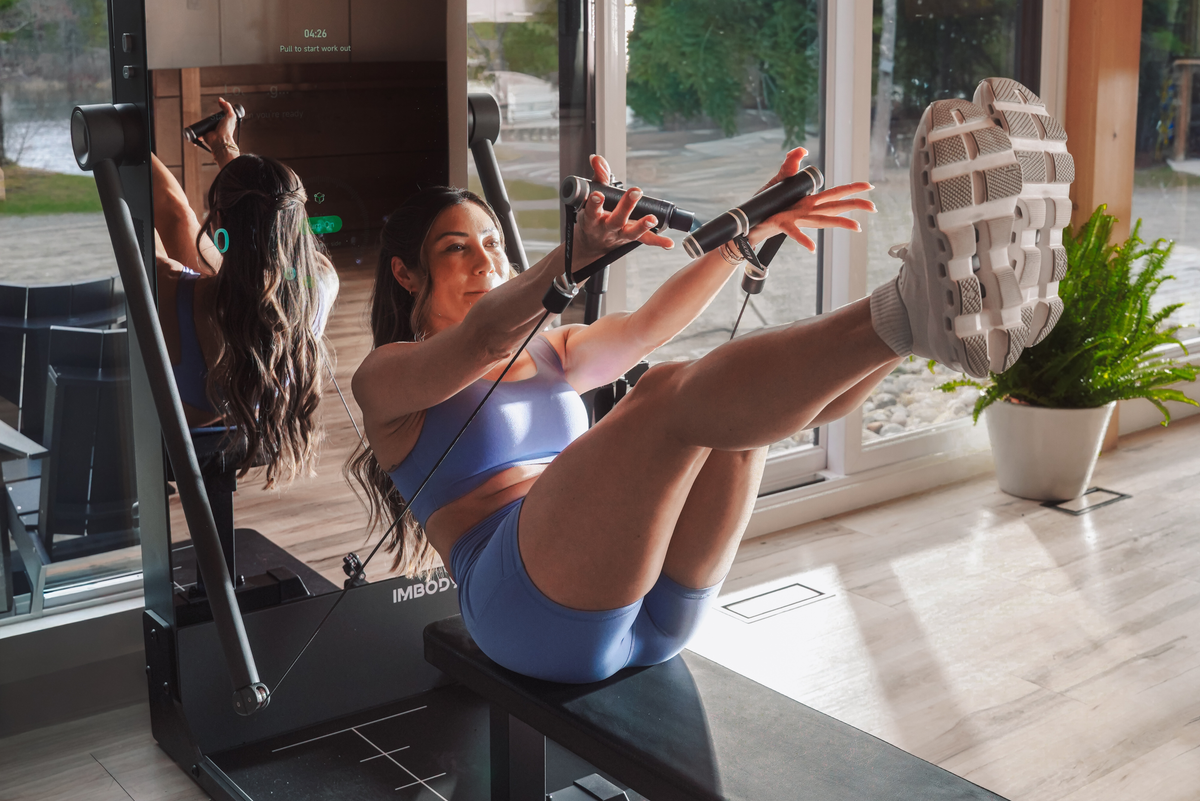
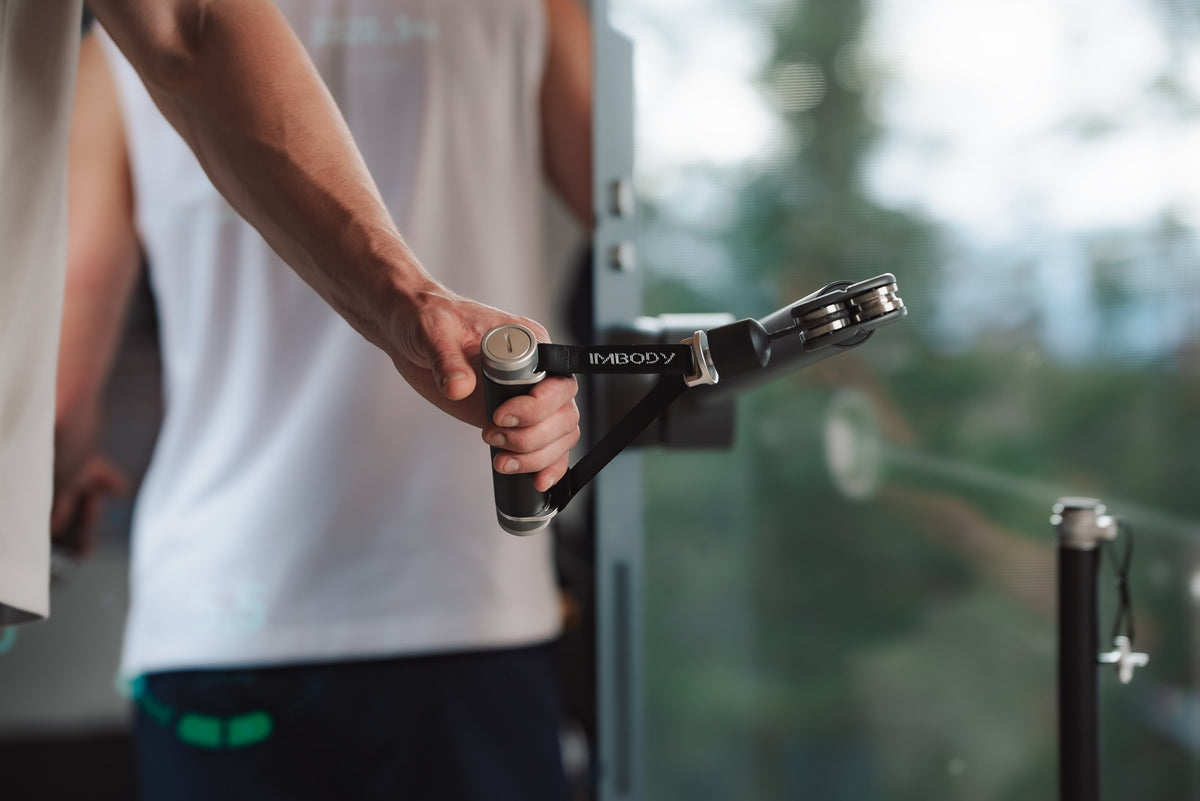
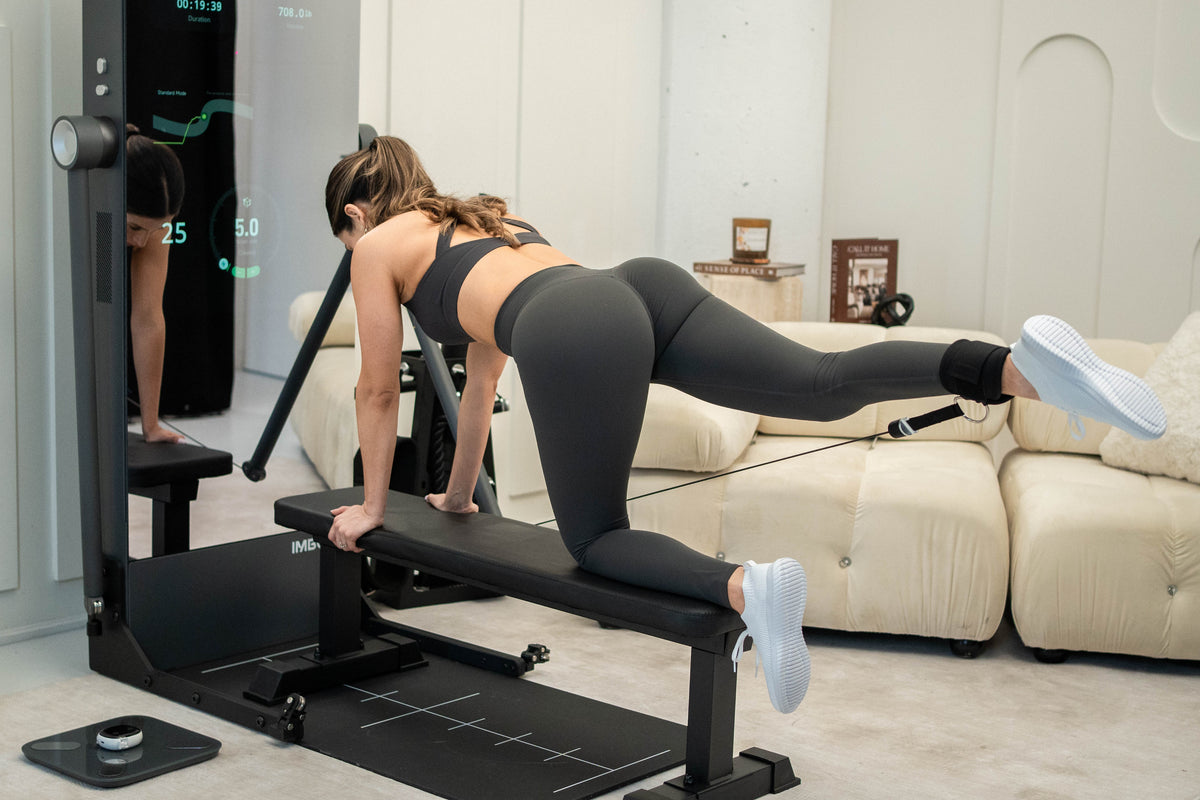
Rather than functioning only as a piece of equipment, Power S brings together a smart fitness mirror, adjustable digital resistance, AI-powered personalized training, smart arms, guided workouts, and connected progress tracking.
This creates a more complete home fitness experience.
Users can train, review progress, and continue building a routine within one connected system. The goal is not simply to add more technology. The goal is to reduce friction so movement becomes easier to repeat.
Fitness That Lives With You
The future of home fitness is not about turning every home into a gym.
It is about making fitness feel more naturally present within daily life.
A connected fitness system should not demand constant motivation or perfect discipline. It should support users through structure, guidance, feedback, and adaptability.
This is especially important as fitness becomes part of a broader wellness lifestyle — one that includes strength, mobility, body awareness, recovery, and long-term health.
Beyond Workouts: A Smarter Relationship With Health
When home fitness moves beyond equipment, the value becomes bigger than a single workout.

It becomes a system that helps users understand their bodies, build habits, and see how small sessions contribute to long-term progress.
This is where connected fitness becomes more meaningful.
It helps turn movement from something users start and stop into something that can live inside their everyday rhythm.
Final Thoughts
Home fitness is moving beyond equipment because users need more than machines.
They need guidance, feedback, personalization, and systems that make consistency easier.
As wellness becomes more personalized and integrated into daily life, the most valuable home fitness solutions will be those that combine smart hardware, intelligent training, and long-term support.
IMBODY Power S reflects this future: a connected fitness system designed not only for workouts, but for a more consistent way of living with movement.
Explore IMBODY Power S
Discover a connected smart home fitness system designed to support guided training, digital resistance, and long-term movement habits.
Share:
The Science of Progressive Overload Without Guesswork
Fitness Tracking That Actually Helps You Stay Consistent