


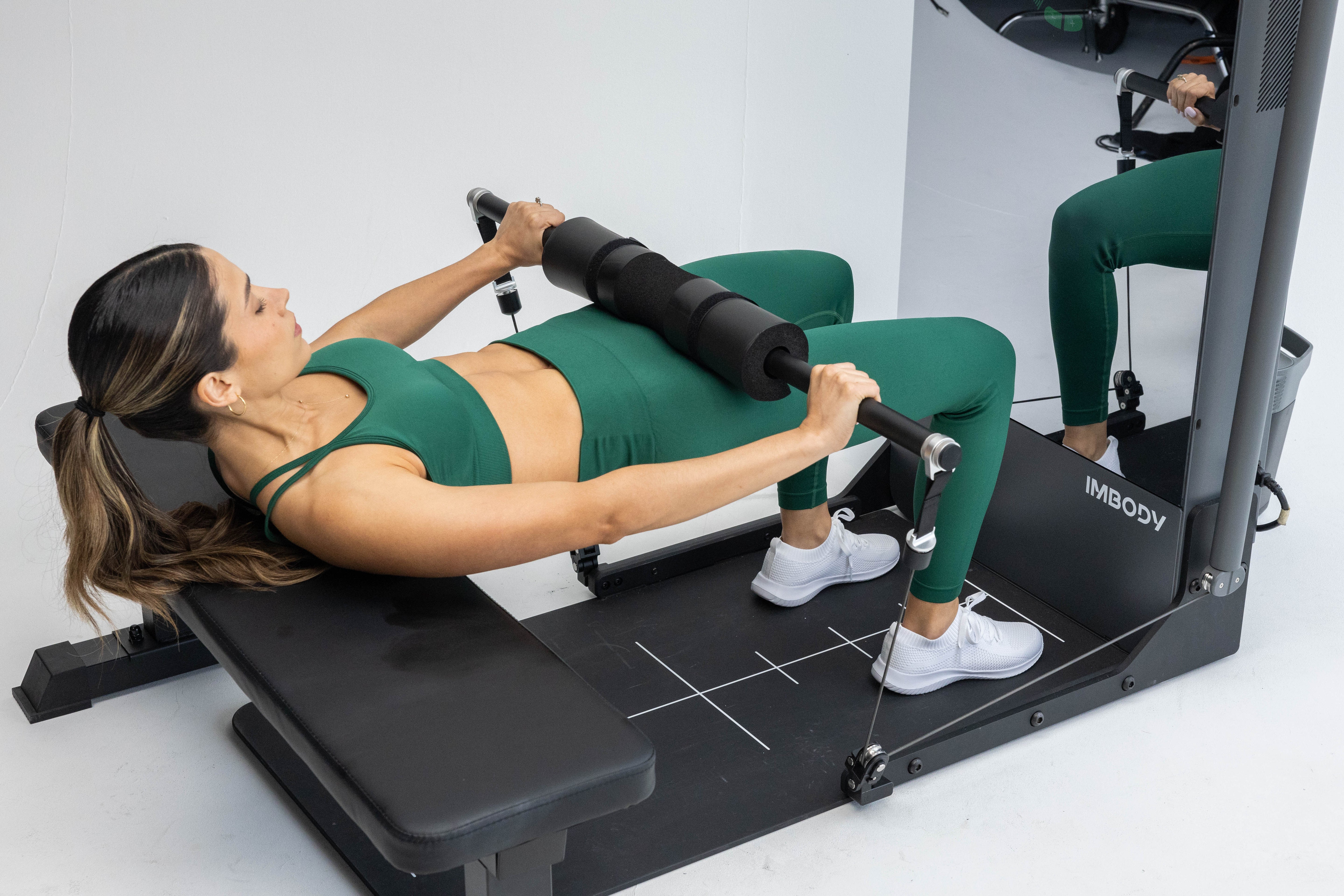
When shopping for a home gym, one specification often stands out: maximum resistance. It's easy to assume that more resistance automatically means a better workout. But in reality, effective strength training is less about choosing the highest possible number and more about choosing the right resistance for your body, your goals, and your stage of progress.
Modern smart fitness systems are changing the conversation. Instead of focusing only on maximum load, they emphasize precision, progression, and intelligent guidance—helping users train more effectively over the long term. This philosophy is central to IMBODY and the design of IMBODY Power S.
More Resistance Doesn't Always Mean Better Results
Strength training works because the body gradually adapts to increasing demands. This principle, known as progressive overload, doesn't require lifting the heaviest weight possible every session.
Instead, progress comes from applying the right amount of resistance at the right time, allowing muscles to recover, adapt, and become stronger over weeks and months.
For many people training at home, the challenge isn't reaching the maximum resistance available. It's finding a resistance level that feels appropriate, safe, and sustainable.
Why Precision Matters More Than Large Weight Jumps
Traditional strength equipment often increases resistance in relatively large increments. While this works well for some users, it can make progression feel abrupt—especially for beginners, smaller muscle groups, rehabilitation, or accessory exercises.

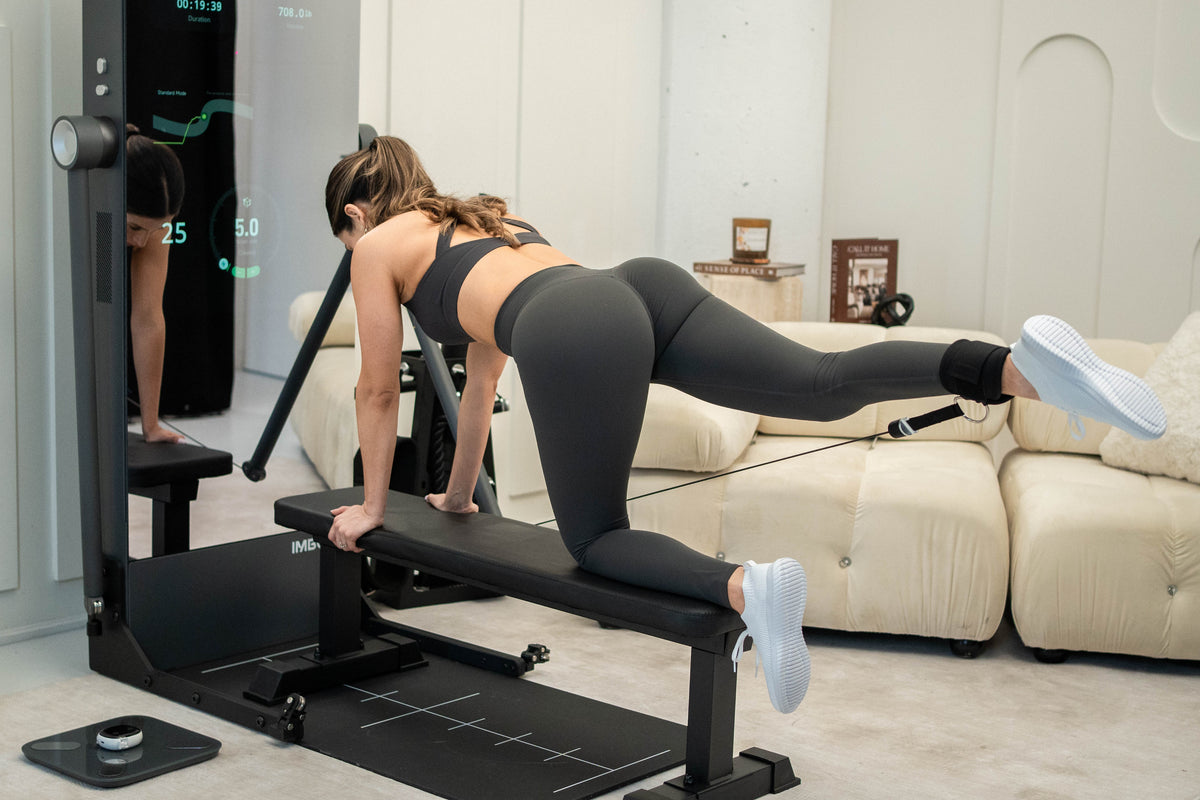
IMBODY Power S uses a digitally controlled resistance system that adjusts in 0.5 kg increments, allowing users to make smaller, more manageable changes as they progress.
This level of precision supports gradual improvement while helping users maintain good technique and confidence throughout their training journey.
How Much Resistance Is Enough?
The answer depends on the individual.
A beginner learning movement patterns has very different needs from someone with years of strength-training experience. Likewise, exercises targeting smaller muscle groups typically require far less resistance than compound lower-body movements.
Rather than asking, "What's the highest resistance available?" a more useful question is:
"Can this system support my progress as I become stronger?"
With up to 260 lbs (120 kg) of digital resistance, IMBODY Power S provides a broad training range suitable for beginners, intermediate users, and many experienced home lifters—all within one compact system.
Progressive Overload Should Feel Manageable
Successful strength training is built on consistency, not dramatic increases in weight.
Small, regular improvements often produce better long-term results than making large jumps that compromise movement quality or increase the risk of injury.
Because IMBODY allows users to fine-tune resistance with precise adjustments, progression can happen at a pace that matches individual ability rather than forcing unnecessary leaps.
This approach makes strength training feel more approachable while supporting long-term confidence.
Resistance Is Only One Part of Effective Training
Choosing the right weight is important, but it's only one piece of the overall fitness experience.
Workout structure, exercise selection, recovery, and consistency all contribute to meaningful progress.

That's why IMBODY integrates the IAC® intelligent training system into Power S.
Following an initial body assessment, the system recommends personalized workout plans based on your goals, current fitness level, and previous training history.
Instead of guessing how much to lift or what to train next, users receive guidance that supports steady progress over time.
Built for Different Types of Strength Training
One of the advantages of digital resistance is its flexibility.
Different exercises—and different people—require different levels of resistance.
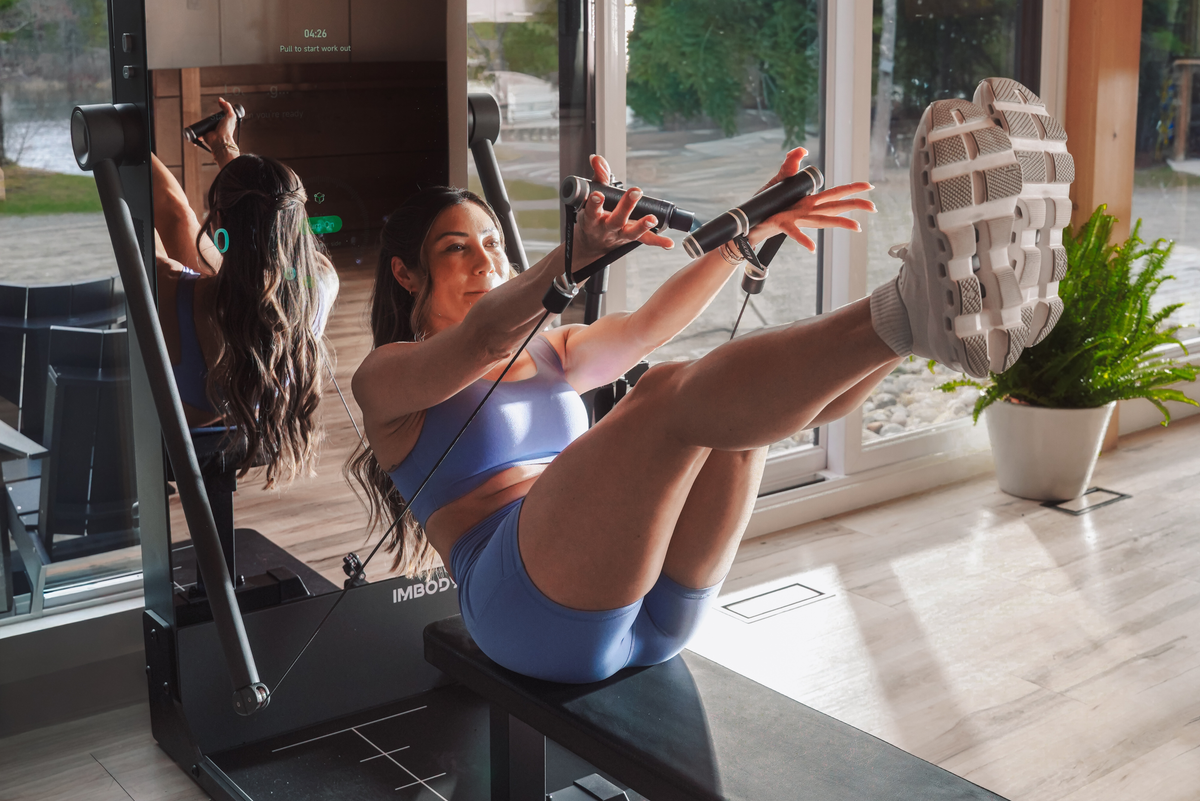
Whether you're performing compound movements, upper-body exercises, lower-body training, or mobility work, IMBODY Power S provides a wide resistance range while allowing users to make small adjustments as needed.
This versatility makes one connected system suitable for many different training goals without requiring multiple machines or large collections of weights.
Confidence Matters as Much as Capability
Many people stop strength training because they lose confidence—not because they lack motivation.

If resistance feels too heavy, progression feels unclear, or workouts become difficult to manage, consistency often suffers.
By combining precise digital resistance, guided workout planning, and connected progress tracking, IMBODY helps reduce uncertainty while making strength training feel more structured and achievable.
The result is a system designed not only to challenge users, but also to support them throughout their fitness journey.
Final Thoughts
The right amount of resistance isn't the highest number available—it's the amount that helps you train consistently, progress safely, and continue improving over time.
With up to 260 lbs of digital resistance, 0.5 kg precision adjustments, and intelligent workout guidance, IMBODY Power S provides a flexible strength-training experience that grows alongside you.
For IMBODY, smarter training isn't about lifting more. It's about making every workout more intentional, more personalized, and easier to sustain.
Explore IMBODY Power S
Learn how IMBODY Power S combines precise digital resistance, AI-powered workout guidance, and connected progress tracking into one all-in-one smart home gym.
Reference
American College of Sports Medicine — Resistance Training Guidelines
Share:
Can Two People Share One Smart Home Gym? What Couples and Families Should Consider
What to Look for Before Buying an All-in-One Smart Home Gym