


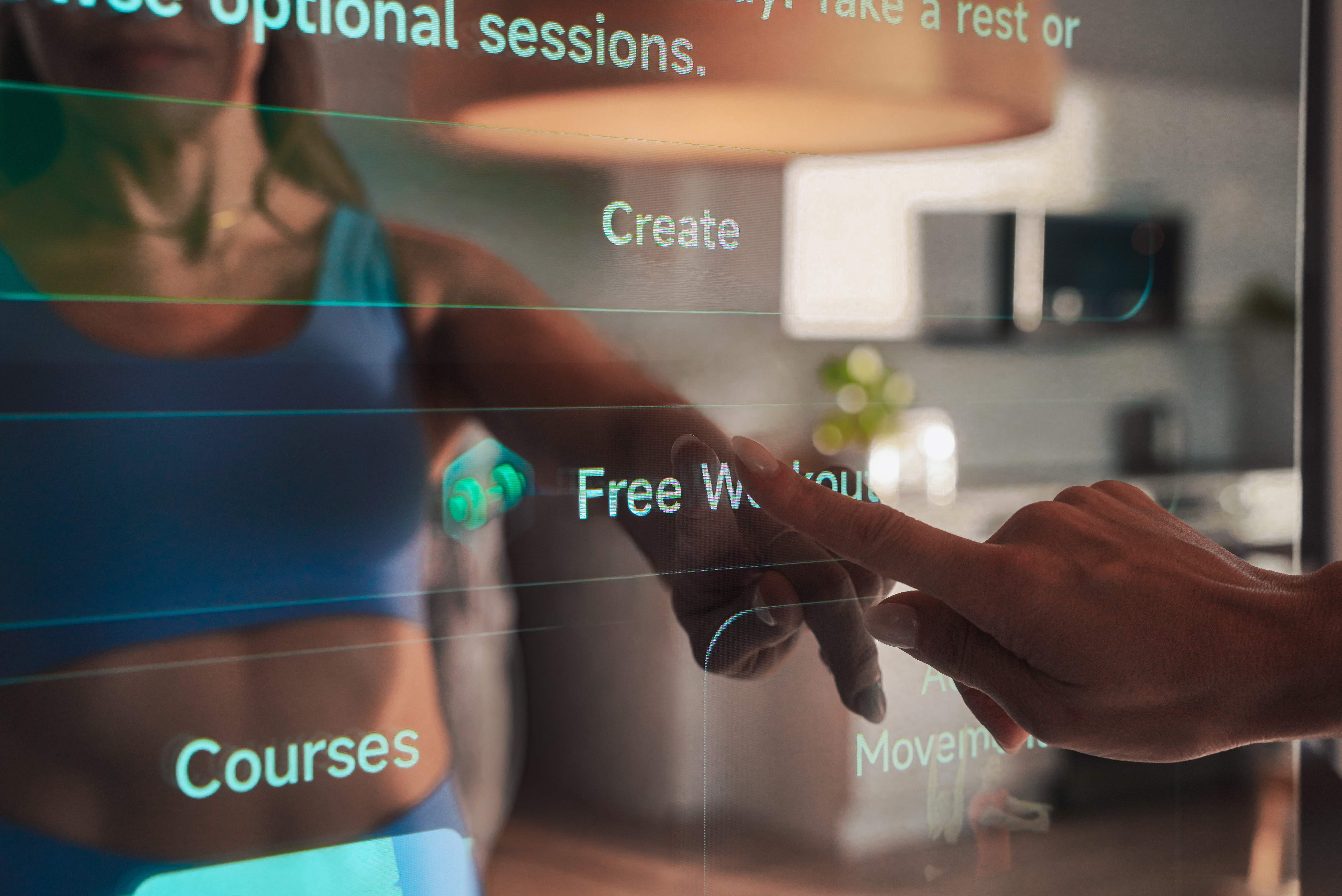
Strength training works best when the body is given a clear reason to adapt.
That is the basic idea behind progressive overload: gradually increasing the challenge placed on the muscles over time so the body can build strength, improve control, and continue progressing.
But for many people training at home, progressive overload can feel confusing.
How much resistance should you add? When should you increase it? What if the next jump feels too heavy? How do you progress without pushing too hard?
This is where smart fitness systems and digital resistance training can make strength progression feel clearer, more precise, and easier to sustain.
What Is Progressive Overload?
Progressive overload is a core principle of strength training. It means gradually increasing the training stimulus over time so the body continues to adapt.
This can happen in several ways:
- Using slightly more resistance
- Completing more repetitions
- Adding more sets
- Improving movement control
- Training with better consistency
- Reducing rest time when appropriate
Progressive overload does not mean every workout needs to be harder than the last. It means training should move forward thoughtfully, with enough challenge to support progress and enough control to remain sustainable.
Why Progressive Overload Often Becomes Guesswork
In traditional strength training, users often have to estimate progression on their own.

They may wonder whether to increase the weight, repeat the same load, or reduce intensity based on how they feel that day.
This becomes especially difficult for beginners or home users who do not have a coach nearby.
Common challenges include:
- Resistance jumps that feel too large
- Uncertainty about when to increase load
- Difficulty tracking progress over time
- Training too hard too soon
- Not knowing how to adjust after fatigue or a break
When progression feels unclear, users may either push too aggressively or stop progressing entirely.
Why Smaller Resistance Changes Matter
Traditional equipment often uses larger resistance jumps. This can make progression feel less natural, especially when the body is ready for a small increase but not a large one.
Digital resistance training can support a more precise approach.
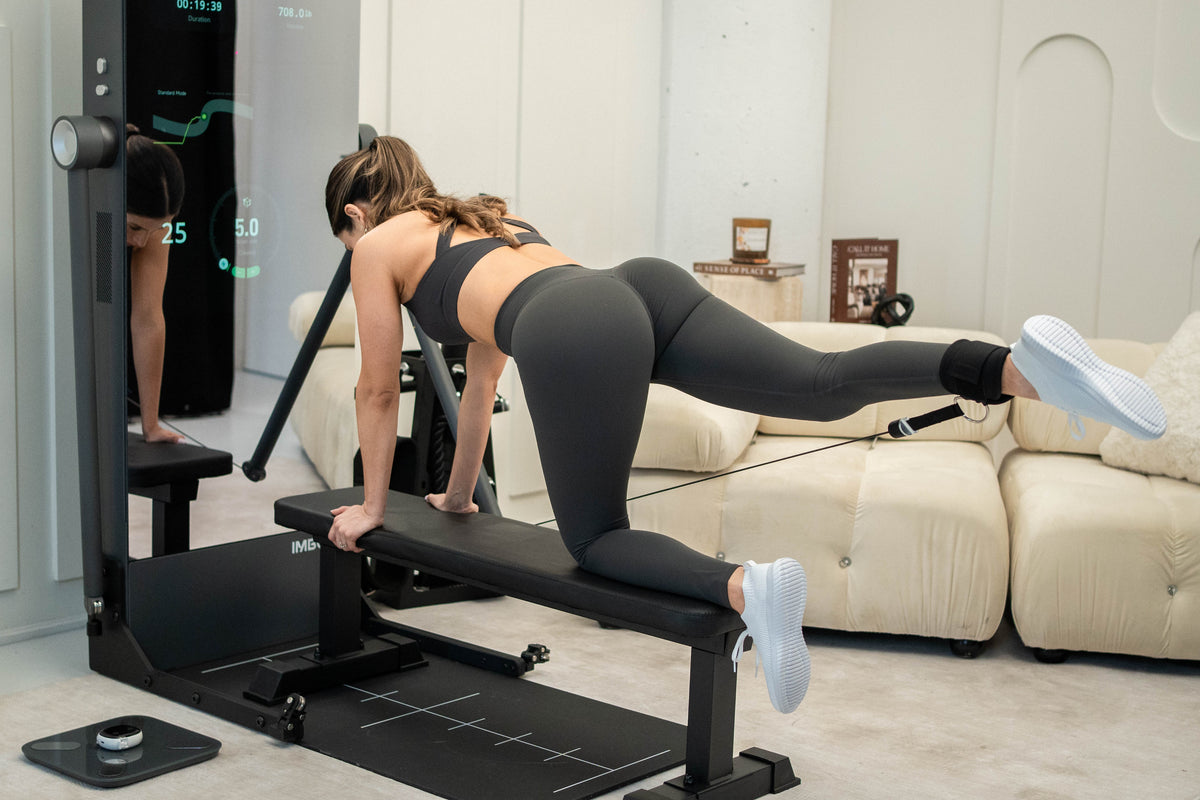
With IMBODY Power S, resistance can be adjusted with 0.5 kg precision control. This allows users to progress in smaller, more manageable steps rather than waiting until they are ready for a large jump.
For beginners, this can make strength training feel more approachable. For experienced users, it supports more refined progression and better control over training variables.
Digital Resistance Training and Strength Progression
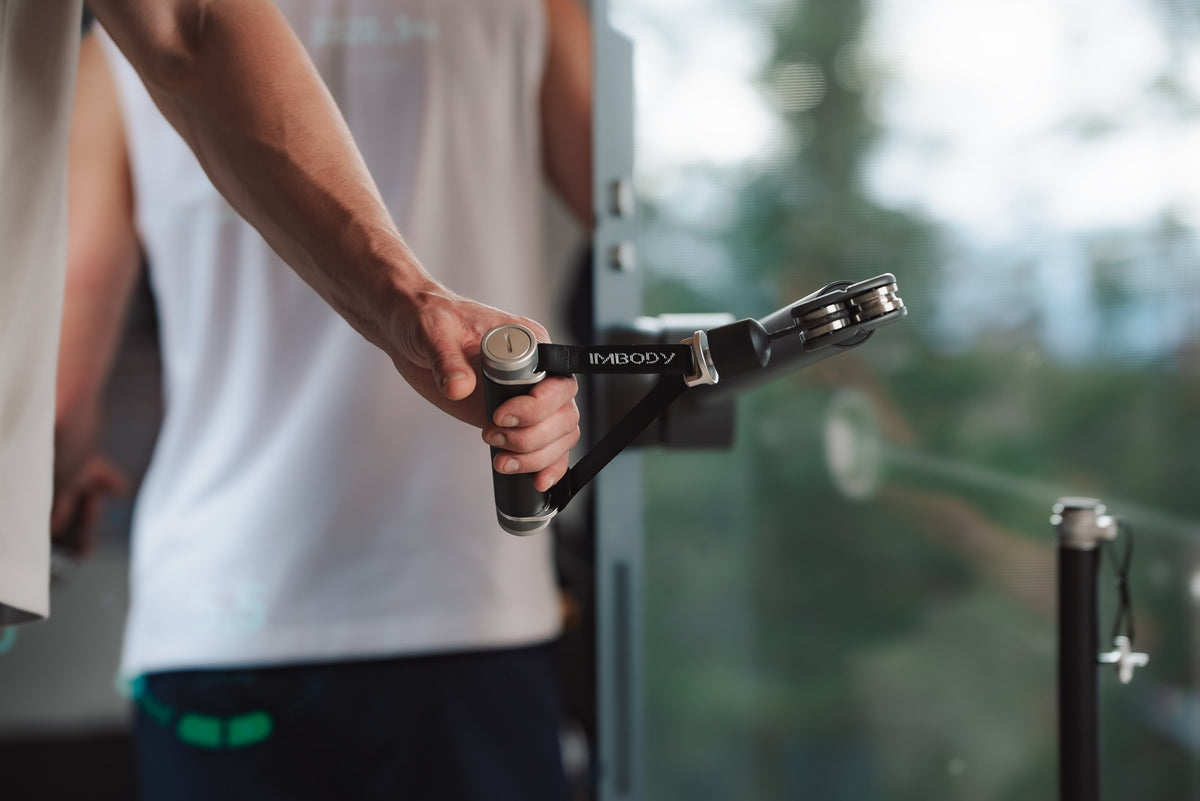
Digital resistance training uses motor-driven resistance technology instead of relying only on physical weight plates.

This allows a smart home fitness system to create resistance through a more compact structure while supporting a high level of training output.
For users, the benefit is not simply that the technology is different. The benefit is that training can become easier to adjust, easier to track, and easier to continue.
With digital resistance, users can train with:
- Precise resistance control
- Multiple intelligent training modes
- Guided workout recommendations
- Connected performance tracking
- A more space-efficient strength training setup
This helps turn strength progression from a guessing process into a more guided experience.
Progression Is Not Always About Adding More Weight
One common misunderstanding is that progressive overload only means lifting heavier.
In reality, progression can also come from better movement quality, improved control, more consistent training, or more appropriate training volume.
This matters because modern fitness should not be built around pressure. A refined approach to strength training gives users room to progress gradually, without turning every session into a test of maximum effort.
Smart training systems can help users see progress through multiple signals, not only the amount of resistance used.
How IMBODY Reduces the Guesswork
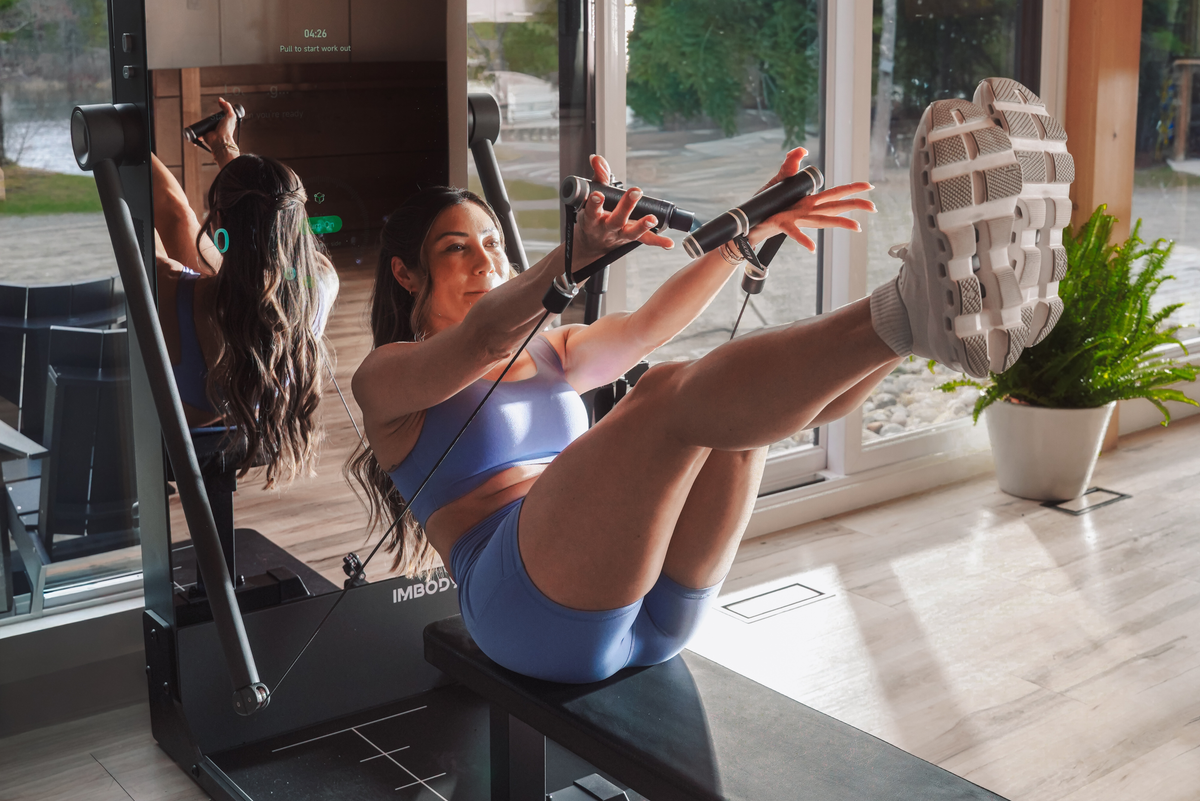
IMBODY Power S combines digital resistance with AI-powered personalized training to help users build strength more clearly at home.
Through guided workout recommendations and connected training records, users can follow a more structured path instead of deciding every variable on their own.
The system helps support questions such as:
- What should I train today?
- How much resistance should I use?
- When should I increase the challenge?
- How can I keep progressing safely?
- How can my routine adjust as I improve?
This is especially valuable for users who want the benefits of strength training but do not want to constantly plan, track, and interpret every detail themselves.
Why Safety Matters in Progressive Overload
Progression should never feel like uncontrolled pressure.
As resistance increases, users also need confidence that the training experience remains manageable. This is especially important when training at home without a spotter.
IMBODY Power S is designed with smart training support that helps users train with more control. Features such as intelligent training modes, guided resistance, and safety-support functions help create a more approachable strength training experience.
The goal is not to push users beyond what they can handle. The goal is to help them progress with clarity, control, and consistency.
Progress Tracking Creates a Feedback Loop
Progressive overload works best when users can see how training changes over time.
Without tracking, progress can feel invisible. Users may not know whether they are improving, maintaining, or pushing too quickly.
Connected smart fitness systems help make progress more visible by recording training history, performance data, and workout patterns.
When users can see their progress, they are more likely to stay engaged. The routine becomes less about guessing and more about responding to real training feedback.
A Smarter Way to Build Strength at Home
Home strength training should not require a room full of equipment or a complicated training plan.

With precise digital resistance, AI-guided workouts, and connected progress tracking, smart home fitness systems can help users train more effectively in a more space-efficient way.
For people who want strength training to fit into modern life, this creates a more realistic path forward.
Final Thoughts
Progressive overload is one of the most important principles in strength training, but it does not need to feel complicated.
By using smaller resistance adjustments, guided workout planning, and connected progress tracking, users can build strength with less guesswork and more confidence.
IMBODY Power S brings this approach into the home through digital resistance, 0.5 kg precision control, and AI-powered personalized training designed to support long-term strength progression.
Strength training does not have to be about pushing harder every time.
It can be about progressing thoughtfully, consistently, and with the right support.
Explore IMBODY Power S
Discover a smart home fitness system designed to support precise resistance training, guided progression, and strength training that fits real life.
Reference
PubMed Research Reference: A Re-Examination of the Repetition Continuum
Share:
How AI-Powered Workout Planning Removes Decision Fatigue
Why Home Fitness Is Moving Beyond Equipment